Pescatarian food is generally understood as a primarily plant-based eating pattern that includes fish and seafood alongside vegetables, fruit, grains, pulses, nuts, seeds and often eggs or dairy. Harvard Health describes it as a plant-based diet in which fish and seafood provide an important difference from vegetarian diets.
From a gastronomic perspective, the interesting point is that pescatarian food is not merely vegetarian food plus fish. Fish and seafood change the direction of the entire menu. They bring sweetness, salinity, umami, texture and a sense of the sea. Green cooking contributes freshness, structure, herbs, acidity and body. When both sides work together, the food can be light, precise and satisfying.
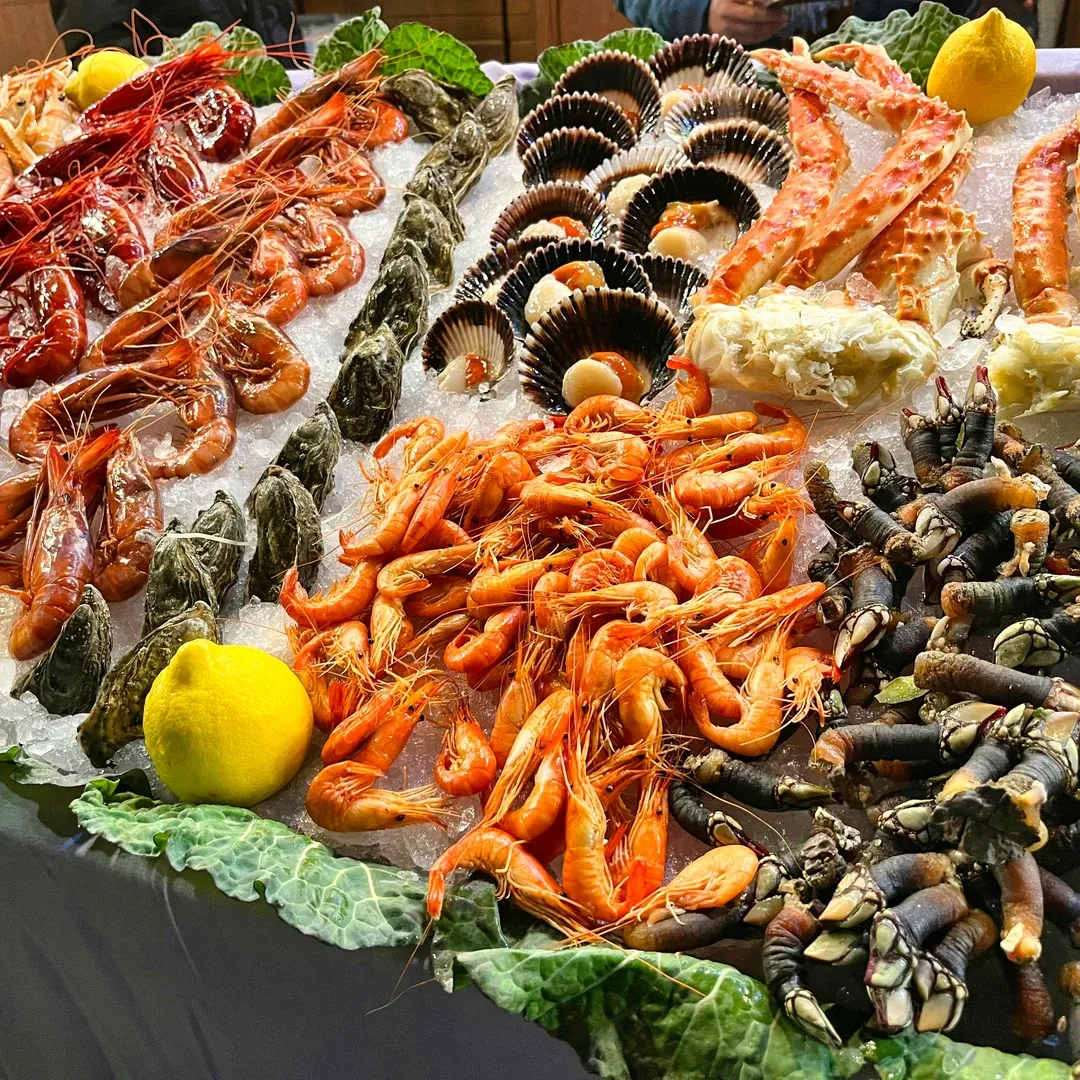
The pescatarian menu at Kromans includes scallops, scampi ceviche, monkfish, cod timbale, tomato tarte tatin, chickpeas, Nocellara olives, cauliflower, mung beans, seaweed pesto, ricotta and lemon butter. Sea and garden meet in the same menu. It sounds slightly poetic, admittedly, but it still needs to taste like food.
Balance is decisive. Fish and seafood are often delicate. Vegetables, pulses and dairy can lift them, but can also overpower them. Lemon butter, seaweed pesto, olives and chickpeas can be good friends to flavours of the sea when properly judged. Otherwise the dish becomes a dinner party at which everyone talks at once.