Se anmeldelser Read reviews

Pescatarian cooking class


Between sea and garden, with green bite and fish at the centre

A pescatarian cooking class at Kromans is for groups who want to cook where fish and seafood meet vegetables, herbs, pulses, dairy, acidity and richness. Seafood is not merely decoration here. It works with the green kitchen in a way that gives both sides a genuine role.

It suits companies, teams and private groups who want to cook together in Copenhagen with freshness, precision and plenty of flavour. A pescatarian diet is generally understood as primarily plant-based food that includes fish and seafood. That is precisely what makes this theme strong: green cooking with flavours of the sea, structure and rather more backbone than a polite lettuce leaf.
Creamy polenta topped with braised beef, blue cheese crumbles, and chopped herbs on a rustic wooden table with a glass of red wine beside it.

Our pescatarian cooking classes

Here you will find our pescatarian menus. Both feature scallops, scampi ceviche, monkfish, vegetables and lemon butter. One adds a further course of cod timbale, tomato tarte tatin, chickpeas and olives.

Pescatarian Menu ♥

  • Potato chiffon with scallops, parsley oil and truffle oil
  • Black ravioli with nuts and ricotta, served with scampi ceviche and seaweed pesto
  • Cod timbale with ‘Harlequin’ tomato tarte tatin, chickpeas and Nocellara olives
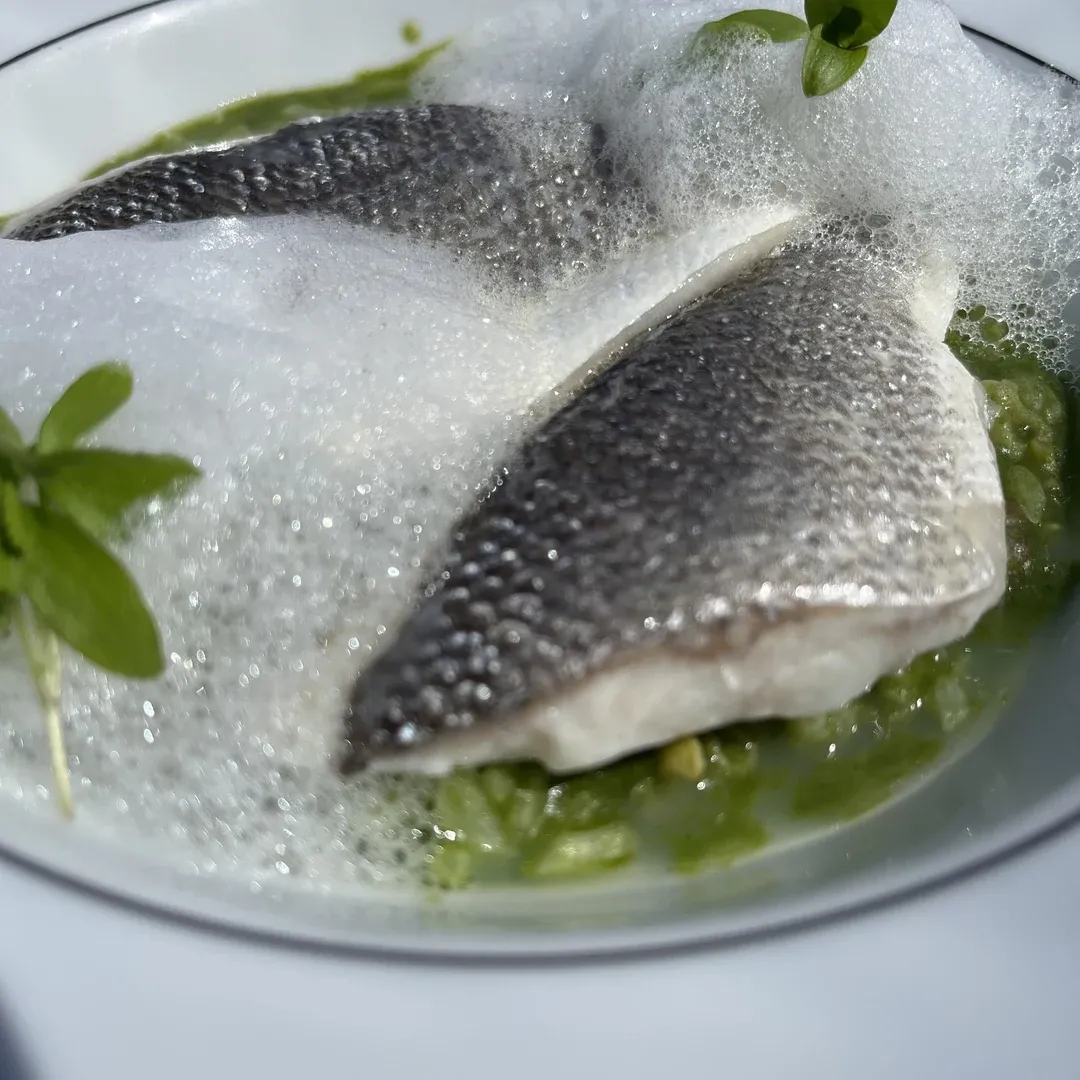
  • Pan-fried monkfish medallion with cauliflower ‘in the green’, homemade lemon butter and mung beans
  • Crisp meringue with whipped cream and lemon sorbet, plus hazelnut truffle

Price per person DKK 1,545 excl. VAT.

Drinks included

Booking

Choose one or more classes and get in touch. We always speak with you first, so together we can find exactly the right option — including if you have any particular requests or requirements.

More about pescatarian gastronomy

Pescatarian gastronomy is not a national cuisine. It is a way of building a meal in which fish and seafood work with vegetables, pulses, herbs, dairy and plant-based elements. Harvard describes the pescatarian diet as a primarily plant-based eating pattern that includes fish and seafood alongside vegetables, fruit, grains, pulses, nuts and seeds.

The Kromans menus make that very tangible. Scallops demand precision because sweetness, texture and heat can quickly tip out of balance. Scampi ceviche brings freshness, acidity and flavours of the sea. Monkfish has a firmer texture and can carry lemon butter, cauliflower and mung beans without disappearing. When cod timbale, tomato tarte tatin, chickpeas and Nocellara olives join the menu, the vegetables are not decoration. They are part of its engine.

The ceviche element matters because acidity can lift fish and seafood without making a dish heavy. It works well with seaweed pesto, parsley oil, truffle oil, ricotta, lemon butter and cauliflower. The task is to watch the balance: the sweetness of the sea, the richness of dairy, the freshness of citrus, the structure of vegetables and the little push of umami from seaweed and nuts.

Pescatarian food works well at Kromans because it involves many small decisions. Fish cannot have ‘roughly enough’ heat. Ceviche must not simply be sour. Lemon butter should lift a dish rather than weigh it down. You learn with your hands, senses and tasting spoon, and when people cook together they usually become braver about tasting. That is a good thing. Flavour rarely comes from caution alone.

Explore pescatarian cooking in greater depth


An article about how pescatarian food bridges green cooking, fish, seafood, herbs, pulses and flavours of the sea.

An article about ingredient quality, texture, heat and precision in some of the menu’s central fish and shellfish.

An article about how acidic, rich and umami-led elements can lift a pescatarian menu.

FAQs about pescatarian cooking classes

What is a pescatarian cooking class at Kromans?

A pescatarian cooking class at Kromans is a sociable food experience in Copenhagen centred on fish, seafood, green cooking and cooking together.

The menu includes scallops, scampi ceviche, monkfish, vegetables, herbs, pulses, lemon butter and fresh, balanced flavours.

Who is a pescatarian class suitable for?

The class suits companies, teams and private groups who would like a sea-led menu without meat from land animals.

It is a good choice if you want green cooking with greater precision, respectful handling of fish and seafood and an evening in which flavour does not whisper from the corner.

Do we need previous experience of cooking fish?

No. The chef guides you through the ingredients, heat, timing and seasoning.

You learn what makes fish and seafood succeed — and what makes them become dry, tired or slightly offended.

What do you learn in a pescatarian cooking class?

You learn about fish, seafood, vegetables, ceviche, lemon butter, seaweed pesto, texture and the balance of acidity, richness and umami.

It is not only about following the menu. It is about tasting as you work and understanding why small adjustments make a considerable difference.

Where does the class take place?

The class takes place at Kromans in Copenhagen, where groups cook together with professional structure and relaxed hospitality.

It is ideal for company events, team building and private groups who want to cook together with seafood, vegetables and a little kitchen energy in the room.