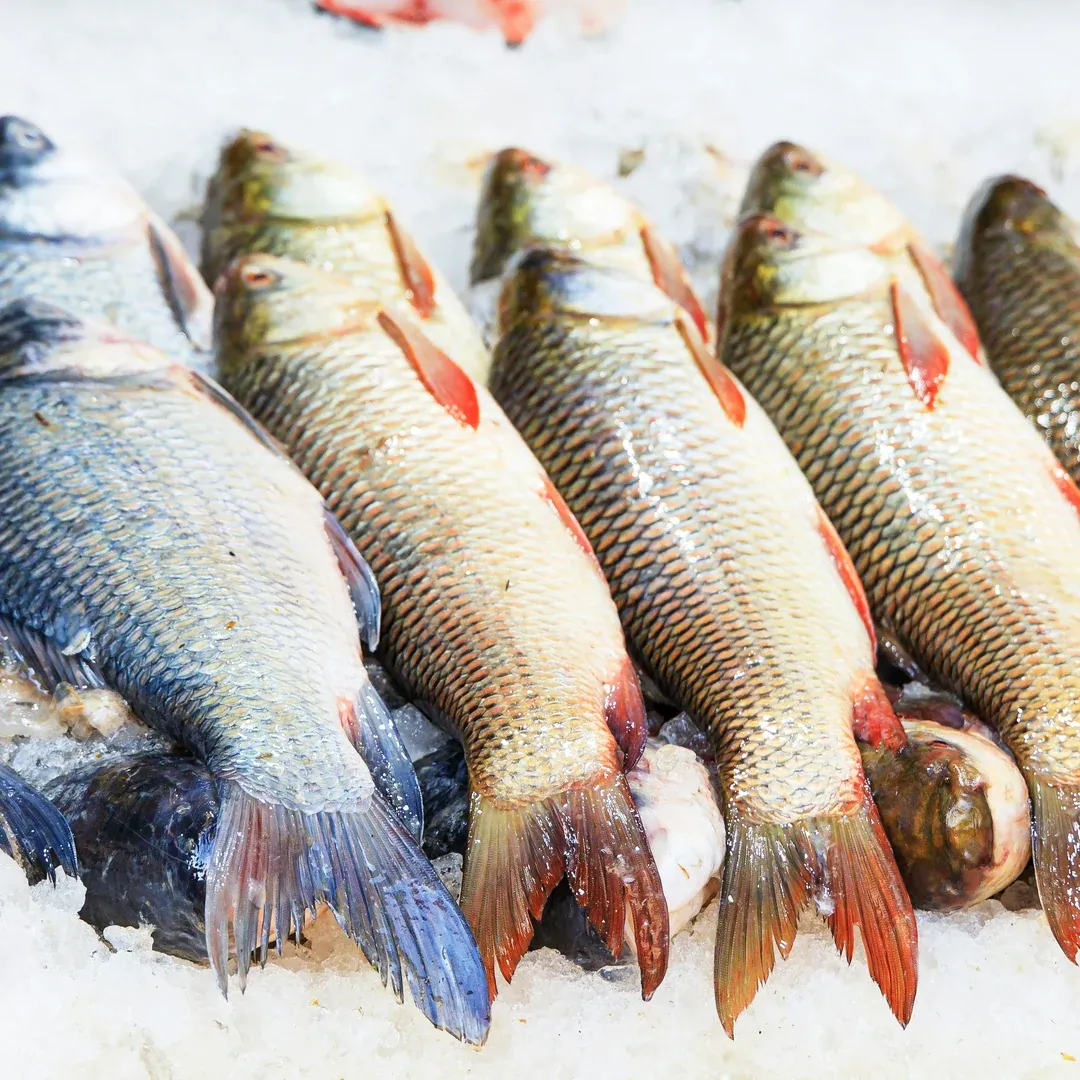
The first technique is simplicity with direction. That does not mean a dull dish. It means knowing what carries the flavour. If the scallop is the main character, parsley oil, truffle oil or potato chiffon should support it rather than drag it on to the dance floor and shout more loudly.
Scampi ceviche requires tasting. Acidity can make it fresh, but when it becomes too sharp the sweetness is lost. Salt can bring out the marine flavour, but too much makes the dish flat. Seaweed pesto can add umami and depth, yet it can also dominate when used without thought.
Monkfish can take more structure around it. Cauliflower, lemon butter and mung beans bring richness, green contrast and texture. The monkfish must still remain succulent. Lemon butter should lift it rather than sit over the fish like a heavy coat.
At Kromans, this is learned through the hands. You feel how fish changes with heat, taste how lemon can lift a dish and discover that seaweed pesto and oils are strong tools that need judging carefully. You learn that marine flavour often stands clearest when you dare to let the ingredient remain distinct.
The social setting is particularly helpful with fish. Many people are nervous about ruining it. Cooking together gives everyone permission to ask, look, taste and adjust. The evening becomes both instructive and relaxed. Nobody needs to stand alone with a scallop and existential doubt.