Se anmeldelser Read reviews

Seasonal Danish ingredients: fish, cabbage, mushrooms, berries and purposeful vegetables


Seasonality is not calendar decoration but a compass for flavour

Seasonal Danish ingredients guide technique, flavour and menu structure. This article explains how fish, cabbage, mushrooms, berries and vegetables can give dishes clearer direction when used with good timing, proper cooking and continual tasting. Seasonality is not decoration in a piece of copy; it is practical kitchen logic that affects freshness, depth, texture and the overall balance of a dish.

At Kromans in Copenhagen, the subject matters because Danish food is not simply about ingredients from Denmark. It is about understanding when an ingredient is good, what it can do and how to bring out its flavour. Fish needs gentle handling, cabbage and mushrooms need heat, while berries and vegetables can provide the necessary lift.
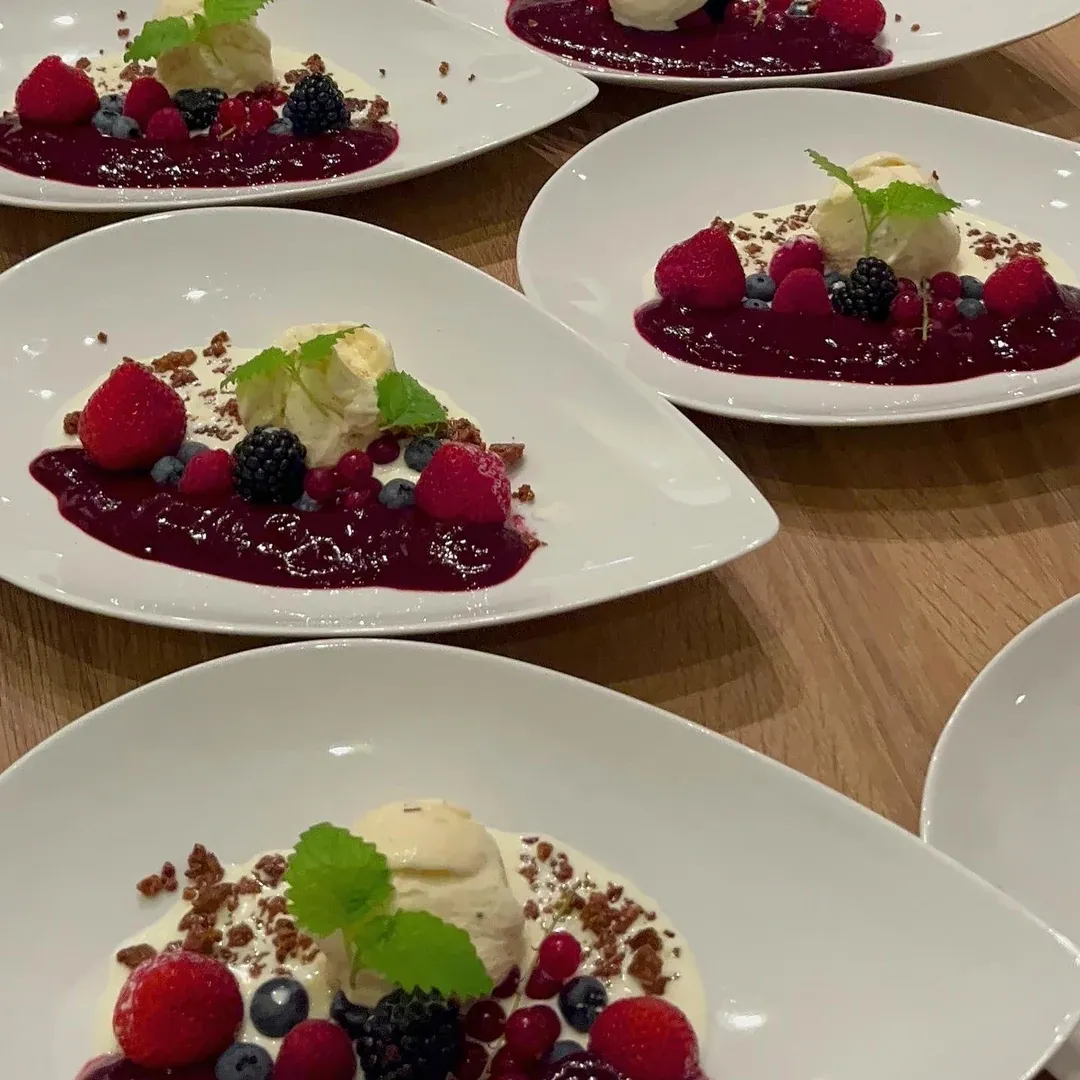

Plates of berry desserts: vanilla ice cream scoops, dollops of cream, fresh raspberries, blueberries, blackberries on a red berry sauce with mint garnish on white plates.

Contents

Why seasonality matters in Danish cooking

Seasonality is one of the most important guides in Danish food. Not as decoration in the wording, but as practical kitchen logic. Ingredients change through the year, and the dish should change too.

Fish, cabbage, mushrooms, berries and vegetables play different roles in the Danish kitchen. Fish can bring lightness, sweetness and precision. Depending on how it is cooked, cabbage adds bitterness, freshness, crispness or depth. Mushrooms bring umami and earthiness. Berries contribute acidity, sweetness and freshness. Vegetables can provide anything from crunch to foundations when treated properly.

Kromans’ Danish theme describes Danish food through familiarity, tradition, seasonality, butter, acidity, homely depth and a modern lift. That matters because seasonality does not stand alone. It must be tasted together with sauce, richness, acidity and technique.

The menus include halibut, asparagus, ribeye, mushrooms, cabbage, langoustine, scallops, veal, berries and chocolate. They do not all belong to the same seasonal mood. Some ingredients call for lightness and acidity; others need heat, sauce and depth.


Pay particular attention to…

  • Seasonality guides ingredients, technique and flavour balance.
  • Fish requires timing and gentle handling.
  • Cabbage and mushrooms can add depth, bitterness and texture.
  • Berries can bring acidity and freshness to both savoury and sweet dishes.
  • Danish ingredients must do more than be local; they need to taste good.

From ingredient to direction on the plate

An ingredient in season does not automatically make a good dish. It still needs handling properly. That is where the chef’s work begins. Asparagus should not drown, fish must not overcook, cabbage should not be punished, mushrooms need enough heat for depth, and berries should add freshness rather than merely colour.

At Kromans, it becomes concrete. Working with fish and sauce teaches timing. Cabbage and mushrooms teach heat and texture. When berries appear in dessert or as an acidic counterpoint, you learn that sweetness is rarely enough by itself.

Seasonality is also about atmosphere. A Danish menu of spring vegetables and fish has a different energy from one built on mushrooms, cabbage and deeper sauces. Both the wording and the plate should reflect that. But it must not become nature romanticism with too much birdsong. It still needs to be food with flavour, structure and warmth in the room.

The social setting makes seasonality easier to understand. When participants hold the ingredient, they feel the difference. They see how cabbage changes with heat, taste how berry acidity lifts richness and discover that a good ingredient still requires a culinary decision.

Seasonal Danish ingredients work best when given a direction rather than merely mentioned. The dish should be able to answer: what is this ingredient doing here? Is it bringing freshness, depth, crunch, richness, sweetness or acidity? If the answer is unclear, taste again — preferably with a spoon rather than panic.


In short: 5 things you need to know…

  • Seasonal ingredients guide flavour, technique and atmosphere.
  • Fish, cabbage, mushrooms, berries and vegetables play different roles in Danish food.
  • A good ingredient still requires seasoning and correct cooking.
  • Acidity, richness and texture decide whether a dish comes alive.
  • Seasonal Danish food should be familiar but never sleepy.

Read more about Danish cooking

Explore the classic and modern Danish cooking experiences at Kromans Cooking School in Copenhagen.

An article about the building blocks of flavour in classic Danish gastronomy and why balance matters more than weight alone.

An article about how curing, sous vide, tempura and new ways of serving can lift Danish ingredients without making the food feel unfamiliar.

FAQs

Why is seasonality important in Danish food?

The season affects the flavour, structure and preparation of ingredients.

Menu, technique and seasoning should therefore follow the ingredient’s natural character.

Which Danish ingredients are central?

Fish, cabbage, mushrooms, berries, asparagus, root vegetables, other vegetables and dairy are important in many Danish dishes.

What matters is how they are used and seasoned.

Are local ingredients always better?

Not automatically. A local ingredient still needs to be good, ripe, fresh and treated properly.

Quality and preparation matter just as much as origin.

How do you make seasonal food taste better?

Taste for salt, acidity, richness, depth and texture.

Seasonal ingredients need direction rather than simply being arranged prettily on a plate.

Would you like to experience Danish cooking together?

See our Danish cooking classes, or contact us and we will help you find the right class and menu.