Se anmeldelser Read reviews

Modern Danish gastronomy: when tradition gains new techniques


New techniques only matter when flavour follows

Modern Danish gastronomy uses techniques such as curing, sous vide, tempura and new ways of serving to lift familiar ingredients. This article explains how those techniques can bring better texture, precision and freshness without making the food feel unfamiliar. Technique should not stand waving its arms; it should make fish, shellfish, meat, vegetables and sauce clearer and more delicious.

At Kromans in Copenhagen, the subject matters because Danish food is allowed to develop when ingredients, seasonality and flavour still determine the direction. Curing, precise heat and crisp tempura should be noticeable on the plate, but the dish must not lose its grounding or the simple pleasure of a sauce that actually works.
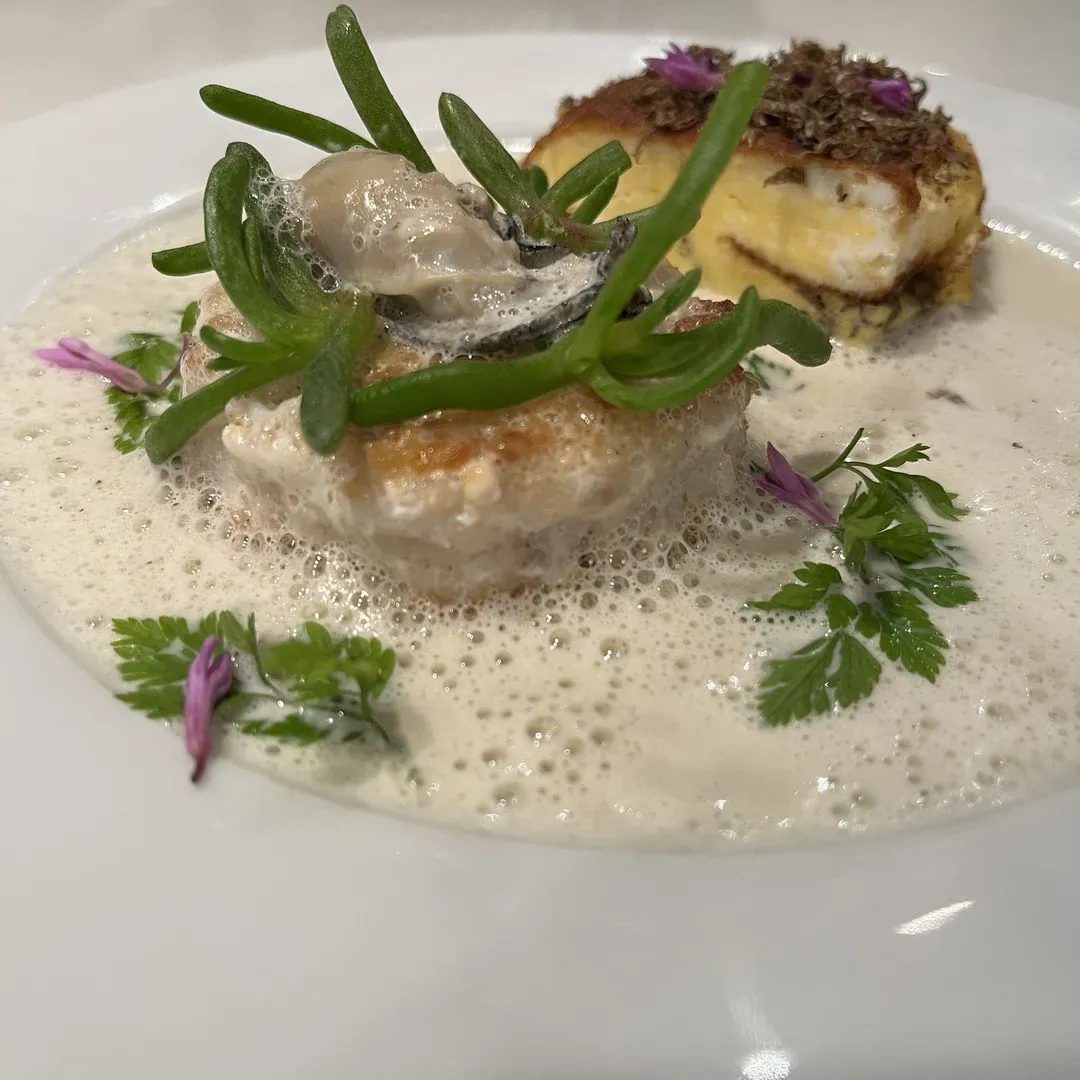

Seared scallops with creamy foam sauce, green beans, herbs, and purple edible flowers on a plate.

Contents

What do modern techniques do for Danish ingredients?

Modern Danish gastronomy is not classic Danish food decorated with tweezers. It is a way of working more precisely with ingredients, texture and flavour. The techniques should not show off; they should make the food better.

Curing can firm an ingredient through salt and time, giving fish or shellfish a firmer texture, more concentrated flavour and a cleaner mouthfeel. Sous vide offers precise heat so that meat, fish or vegetables cook more evenly. Tempura adds crispness without making the ingredient heavy. A crépinette brings forcemeat, filling and texture together in a form where the craft can be felt.

Kromans’ modern Danish menus use precisely these approaches: lightly cured scallops, sous vide poultry, monkfish crépinette, tempura, truffle, oysters, veal, cabbage, mushrooms and berries. They show a Danish direction in which seasonality and familiar ingredients remain central while technique adds precision and movement.

It is also important to distinguish Danish from Nordic. Kromans’ site hierarchy describes Danish cooking through familiarity, tradition, seasonality, butter, acidity and homely depth, while Nordic food focuses more on seasonal awareness, clarity, herbs, fish, vegetables and precision. They can speak to one another, but they are not the same dish in different jackets.


Pay particular attention to…

  • Modern technique should lift the ingredient rather than steal the stage.
  • Curing can create firmness and concentrated flavour.
  • Sous vide provides precision but still requires seasoning.
  • Tempura adds crispness and lightness.
  • Danish food may develop without losing its grounding.

When technique becomes flavour rather than show

The modern kitchen can easily become a little too fond of its own techniques. You can end up with foam, powder and precision while the dish still tastes like a meeting invitation. We need to avoid that.

At Kromans, technique is practical. Curing should be tasted as better texture. Sous vide should bring succulence and calm. Tempura should crunch and lift vegetables or shellfish. Truffle should add depth without holding the microphone all evening. Oysters need precision rather than prestige.

Modern Danish food is strongest when the techniques support the season. Berries can bring acidity and freshness; cabbage and mushrooms add depth; fish and shellfish demand timing; veal and poultry require heat and succulence. Technique should help the chef hit the mark, not excuse missing flavour.

This is where cooking together makes sense. Participants feel the difference: an ingredient before and after curing, a sauce before and after acidity, tempura that crunches or collapses like a wet newspaper. You learn with your hands, and it stays with you better than theory.

Modern Danish food at Kromans should therefore be precise, sensory and easy to inhabit rather than solemn. A little music is welcome while the technique works. It makes the craft easier to absorb — and the food tastes better for it.


In short: 5 things you need to know…

  • Modern Danish gastronomy uses techniques to lift ingredients.
  • Curing, sous vide, tempura and crépinette create different textures and precision.
  • Technique must never replace seasoning.
  • Danish food can be modern without becoming unfamiliar.
  • Flavour, ingredients and balance must still set the direction.

Read more about Danish cooking

Explore the classic and modern Danish cooking experiences at Kromans Cooking School in Copenhagen.

An article about the building blocks of flavour in classic Danish gastronomy and why balance matters more than weight alone.

An article about the role of seasonality in Danish cooking and how the character of the ingredients guides menu, technique and flavour.

FAQs

What is modern Danish gastronomy?

Modern Danish gastronomy applies new techniques and ways of serving to Danish ingredients and flavours.

It may involve curing, sous vide, tempura, crépinette or more precise seasoning.

Does modern technique make Danish food less Danish?

No, not when ingredients, flavour and seasonality still guide the dish.

Technique should lift the Danish kitchen rather than disguise it.

Why is texture important in modern Danish food?

Texture gives dishes more life and precision.

Crispness, firmness, softness and succulence all affect how flavour is experienced.

What should you beware of with modern techniques?

Technique must not become more important than flavour.

If the dish does not taste better, the technique has not done its job.

Would you like to experience Danish cooking together?

See our Danish cooking classes, or contact us and we will help you find the right class and menu.