Se anmeldelser Read reviews

Classic Danish food: why sauce, butter and acidity still matter


Richness only becomes good when it meets a counterpoint

Classic Danish food is not only about tradition and familiarity. This article explains why sauce, butter and acidity remain central to flavour in dishes involving fish, meat, jus, hollandaise and seasonal vegetables. When richness, heat and depth meet a precise counterpoint, the food becomes generous without becoming heavy, allowing the ingredients themselves to taste clearer.

At Kromans in Copenhagen, the subject matters because Danish food should not be nostalgia with a gravy spoon. It needs tasting and adjustment so that richness, heat, acidity, salt and depth work together. That applies equally to hollandaise with fish and red wine jus with ribeye, where small changes decide whether the dish is simply finished or genuinely tastes good.
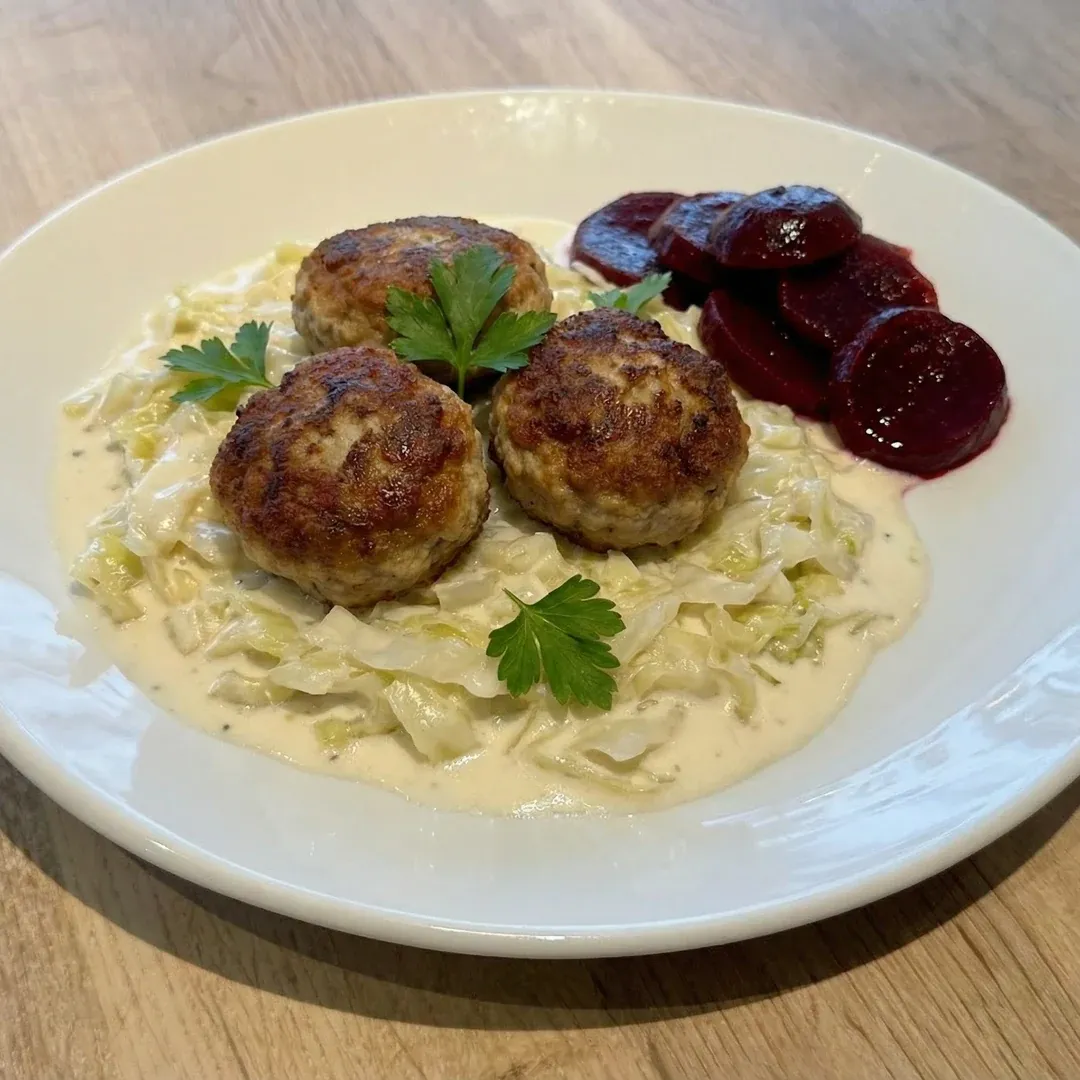

Creamy cabbage in sauce with three browned meatballs and beet slices on the side, garnished with parsley.

Contents

Why sauce and butter still carry classic Danish food

Classic Danish food often has weight: fish, beef, mushrooms, butter, sauce, potatoes, vegetables and substantial desserts. That is precisely why balance matters so much. Richness can be wonderful; richness without acidity can become sleepy. Sauce can unite a dish; sauce without nerve can lie over everything like a blanket.

In classic Danish cooking, sauce is not decoration. It is the connection. Hollandaise binds fish, asparagus and buttery richness, but it needs enough acidity to lift the dish. Red wine jus should provide depth and warmth while retaining clarity. It should not merely taste dark; it should taste as though somebody worked for it.

The Danish kitchen has historically been shaped by seasonality, local ingredients, fish, meat, grain, dairy and preservation, but modern cooking is not about simply repeating tradition. It is about understanding why it works. Danish and Nordic must not blur completely together either: Danish food often has a more homely depth built on butter, sauce, seasonality and familiarity, while Nordic cooking tends towards clarity, nature, herbs and seasonal precision.

At Kromans, classic Danish flavour appears in halibut, hollandaise, ribeye, red wine jus, mushrooms and seasonal vegetables. These ingredients can quickly become heavy unless somebody asks the important question: does it need acidity? That question rescues more food than you might think — even in polite company.


Pay particular attention to…

  • Hollandaise needs enough acidity to lift the richness of the butter.
  • Red wine jus needs depth, but also clarity.
  • Fish and sauce require precise heat and gentle handling.
  • Meat and mushrooms need a counterpoint from acidity or vegetables.
  • Classic Danish food may be substantial, but it should not be heavy without direction.

Balance matters more than nostalgia

The classic Danish kitchen is at its best when taken seriously without becoming solemn. Halibut with asparagus and hollandaise requires a calm hand. Ribeye with red wine jus requires heat, timing and depth. Both require tasting.

Butter is a gift, but it needs using wisely. It brings roundness, body and mouthfeel, yet needs acidity, salt and heat to become gastronomy. Otherwise it is simply richness with good PR. Hollandaise should be rich, but it should not put the fish into a coma.

Jus and sauce also need seasoning. A red wine jus may lack salt, acidity, sweetness or depth. These are small adjustments, but they decide whether the dish feels complete or merely cooked. That is where classic food becomes alive again.

At Kromans, this is exactly what you learn around the tables. You taste, adjust and discover that classic Danish food is not old-fashioned when it is prepared properly. It simply needs people in the room, heat on the stove and a chef willing to say: ‘It needs a little more edge.’

The social setting also makes the craft easier to absorb. When several people taste the sauce, the balance becomes clearer. One misses acidity, another salt, and somebody says ‘that is it’ — at which point you really must stop. That too is a technique.


In short: 5 things you need to know…

  • Classic Danish food is often built on sauce, butter, fish, meat and seasonality.
  • Richness is good, but it needs acidity and freshness.
  • Hollandaise and red wine jus must be seasoned, not merely completed.
  • Balance matters more than nostalgic weight.
  • Good Danish food should taste good, not merely remind you of something.

Read more about Danish cooking

Explore the classic and modern Danish cooking experiences at Kromans Cooking School in Copenhagen.

An article about how curing, sous vide, tempura and new ways of serving can lift Danish ingredients without making the food feel unfamiliar.

An article about the role of seasonality in Danish cooking and how the character of the ingredients guides menu, technique and flavour.

FAQs

Why is sauce important in classic Danish food?

Sauce connects ingredients, richness, heat and accompaniments.

A good sauce creates depth and balance, while a poor one merely makes the dish heavy.

Why does acidity matter so much?

Acidity lifts butter, sauce and richness.

It makes classic Danish dishes more appetising and allows the ingredients to taste clearer.

Is classic Danish food always heavy?

No. Classic Danish food can be substantial without being heavy.

When richness, acidity, vegetables and heat are balanced, it becomes both generous and lively.

What should you taste for in classic Danish dishes?

Pay particular attention to salt, acidity, depth, richness and heat.

The small adjustments make the difference between cooked food and real flavour.

Would you like to experience Danish cooking together?

See our Danish cooking classes, or contact us and we will help you find the right class and menu.