Se anmeldelser Read reviews

Scallops, langoustines and turbot: ingredient quality in Danish fish cooking


Sea flavour starts with good ingredients and a steady hand

Scallops, langoustines and turbot show why ingredient quality matters in Danish fish cooking. Freshness, texture, sweetness and careful handling all affect the result. Each ingredient has its own structure and response to heat, salt and handling, and mistakes are quickly noticed.

At Kromans in Copenhagen, Danish Fish & Seafood works with delicate ingredients that deserve attention. The sea should taste clear, not as if the pan is calling for help. Participants learn to look, smell and feel before choosing a technique or accompaniment.
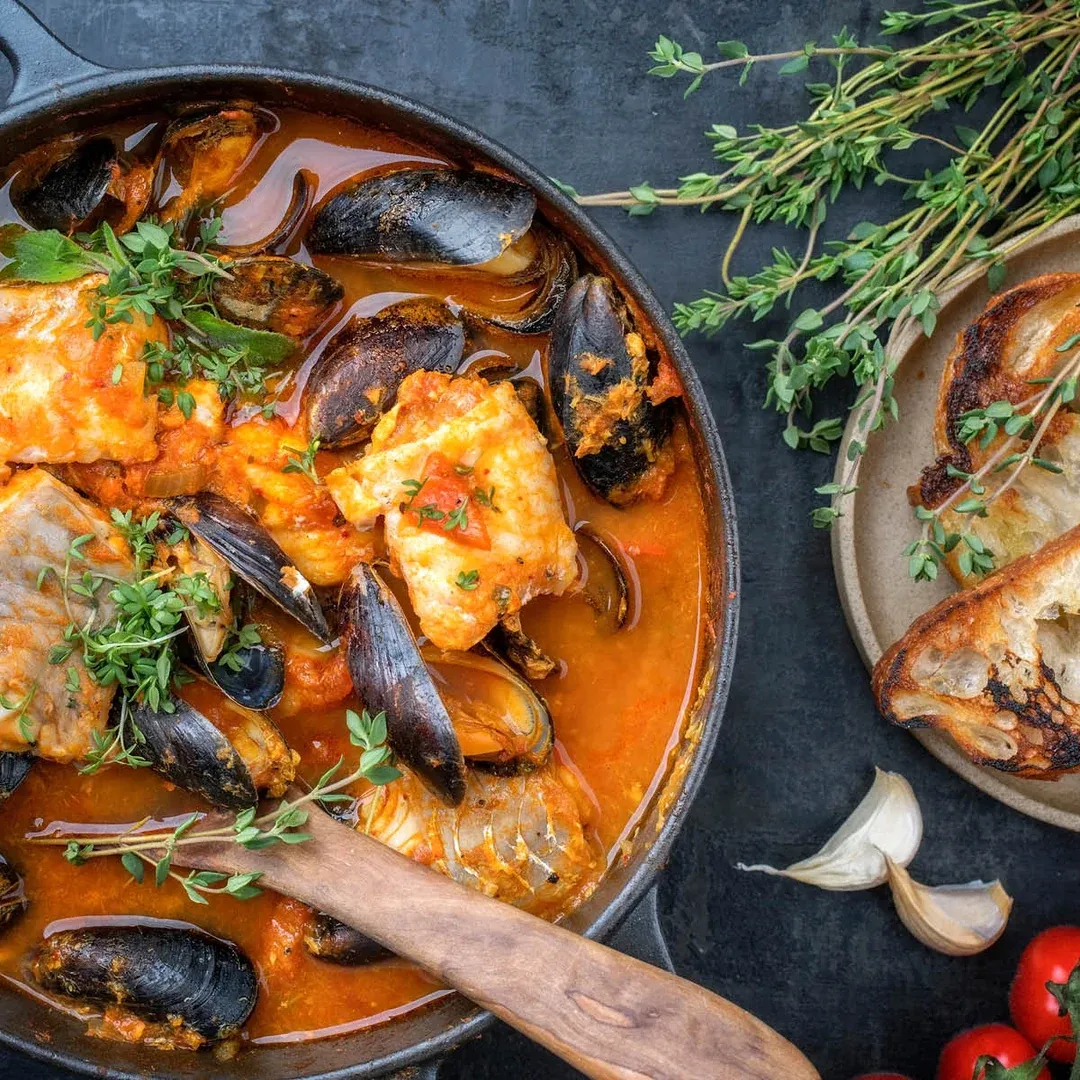

Pan of seafood stew with mussels and fish in tomato broth, garnished with thyme, with crusty bread on the side.

Contents

What good fish and seafood quality looks like

Good quality means freshness, careful handling, clean flavour and an appropriate texture. Fish and shellfish should smell fresh, not heavy; the texture should be firm and lively, not limp. Danish food-safety guidance on handling and temperature underlines that quality begins before the hob. Poorly handled fish cannot be rescued with butter and confidence alone.

Scallops should be sweet, firm and clean-tasting. Langoustines have delicate sweetness and quickly become dry or tough. Turbot has a firm structure and mild flavour that call for care. At Kromans, these ingredients meet mussel cream, dill oil, fennel risotto and precise techniques, where good handling is easy to taste.


Pay particular attention to…

  • Fresh fish should smell clean and of the sea.
  • Scallops should be sweet with a firm texture.
  • Langoustines dry out quickly if overheated.
  • Turbot needs gentle cooking.
  • A better sauce cannot replace good ingredients.

Why delicate ingredients need precise treatment

The better and more delicate the ingredient, the less it needs to be hidden. Sauces, oils, herbs and creams should support it: mussel cream and dill oil add depth and freshness to scallops, while fennel risotto complements turbot. Grilled langoustine brings a roasted sea flavour if it is not overcooked. Balance sweetness, richness, acidity, herbs and texture.

At Kromans, quality is practical. You see and feel how a scallop should be handled and why a langoustine does not need another turn ‘to be safe’. Fish rewards attention. Ingredient quality is not only about luxury; it is about storage, precise heat, seasoning and the confidence not to overpower the food.


In short: 5 things you need to know…

  • Ingredient quality is crucial for fish and seafood.
  • Check freshness, smell, texture and flavour before cooking.
  • Scallops, langoustines and turbot need precise heat.
  • Sauce and sides should lift the sea flavour, not hide it.
  • Good fish cooking needs calm, timing and tasting.

Read more about Indian food

Explore all the Indian food experiences at Kromans Cooking School in Copenhagen.

An article about heat, timing, pan-frying and the small signs that tell you when fish is tender, juicy and ready.

An article about modern techniques that bring greater precision, freshness and depth to fish and seafood.

FAQs

How do you judge fish quality?

Look for a fresh smell, firm texture, clear colour and clean sea flavour.

Why are scallops delicate?

They have mild sweetness and a delicate texture; too much heat makes them rubbery.

What should you watch for with langoustines?

Avoid overcooking so they retain their sweetness, juiciness and tender texture.

Why is turbot a demanding ingredient?

Its fine flavour and structure call for gentle, precise cooking.

Would you like to experience Indian food together?

See our Indian cooking classes, or contact us and we will help you find the right class and menu.