Se anmeldelser Read reviews

How to cook fish without ruining the ingredient


Fish is not difficult, but it is honest

Fish needs precise heat, timing and a feel for the ingredient. This article explains how to avoid dry, tough or overcooked results by reading the small signs in surface, firmness and juiciness rather than relying only on a timer.

At Kromans in Copenhagen, these skills matter in the Danish Fish & Seafood theme, where turbot, monkfish, scallops, langoustines and squid need attention. Participants learn to adjust heat and accompaniments so the fish’s own flavour and texture remain clear.
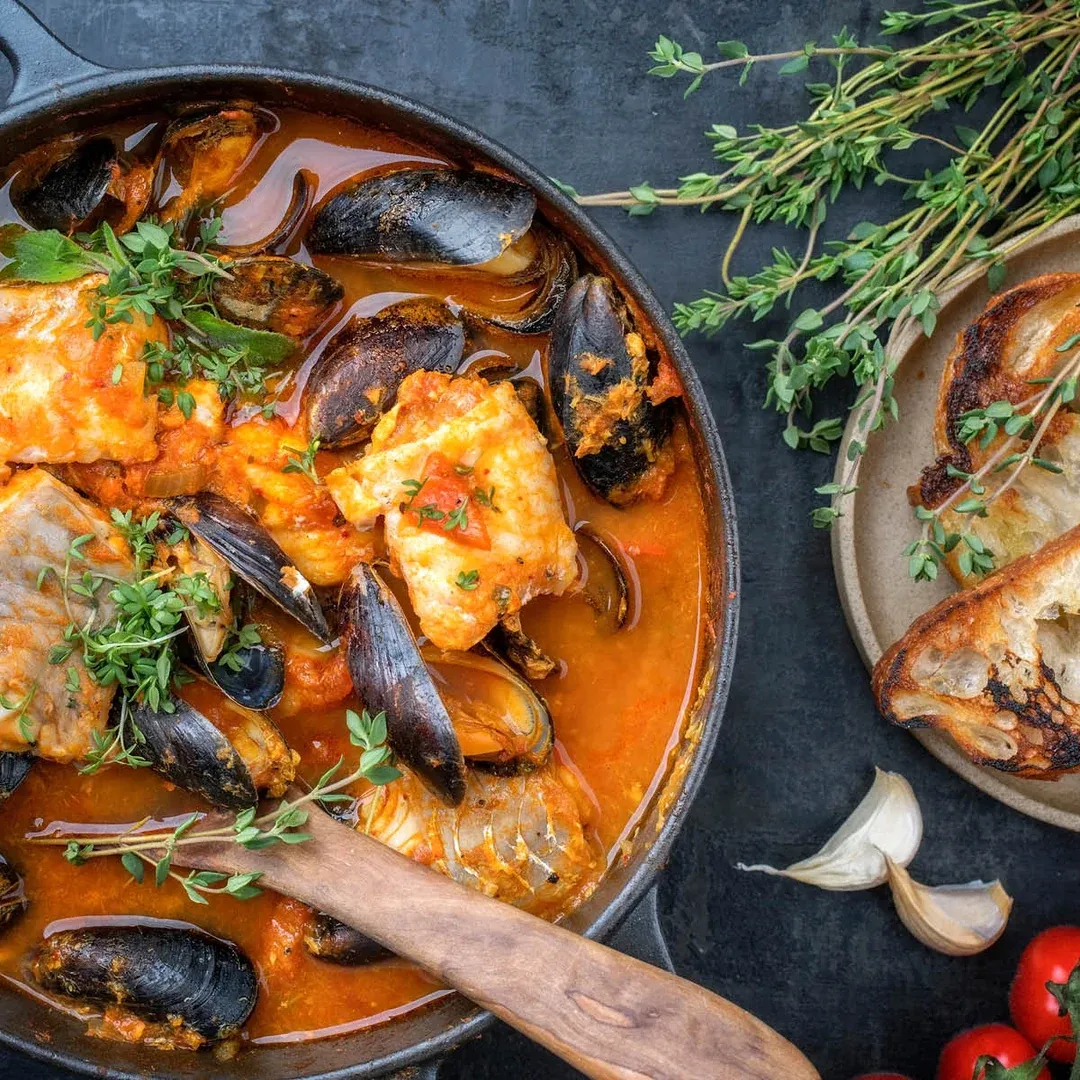

Pan of seafood stew with mussels and fish in tomato broth, garnished with thyme, with crusty bread on the side.

Contents

Why fish needs more precision than many people expect

Fish and shellfish can move from perfectly cooked to overdone more quickly than many cuts of meat. Their structure, water content and delicate proteins make heat, timing and observation more important than following a timer blindly. The Danish Veterinary and Food Administration recommends rapid chilling and storage close to melting ice, typically 0–2°C. The ingredient needs proper care at every stage.

Look for the signs: fish firms up and turns opaque in the heat, and may begin to flake. Scallops need enough heat for firmness and sweetness, but not so much that they turn rubbery. Langoustines can quickly become dry and tough; turbot needs a gentle hand. Monkfish is firmer, but not invulnerable.


Pay particular attention to…

  • Fish often needs shorter, more precise cooking than meat.
  • Scallops and langoustines turn tough quickly.
  • Turbot needs a gentle hand.
  • Monkfish is firm but can still dry out.
  • Taste, look and feel the ingredient; do not rely only on a timer.

How to work with fish more confidently

Start with a fresh ingredient, correct storage and good timing. Too little heat can leave a pale surface; too much or too long makes fish dry. Pan-frying is about contact and timing. Sous-vide offers control, but still needs careful handling and seasoning afterwards. Curing can firm the texture and concentrate flavour when it suits the ingredient.

At Kromans, the difference is easy to see and taste. The chef shows when turbot releases, when langoustines are ready and why a scallop does not need one more turn ‘just to be safe’. Cooking fish is not about being nervous; it is about paying attention and using just enough heat.


In short: 5 things you need to know…

  • Fish needs precise heat and attentive timing.
  • Overcooking makes fish dry, tough or dull.
  • Handle shellfish gently to preserve sweetness and texture.
  • Curing, sous-vide and pan-frying work when the ingredient is understood.
  • A feel for the ingredient matters more than blindly following minutes.

Read more about Indian food

Explore all the Indian food experiences at Kromans Cooking School in Copenhagen.

An article about understanding the quality, texture and flavour of some of the sea’s most delicate ingredients.

An article about modern techniques that bring greater precision, freshness and depth to fish and seafood.

FAQs

Why does fish become dry?

Usually because it has been cooked for too long or at too high a temperature.

How can you tell when fish is cooked?

Look at its texture, colour and firmness. It should be cooked but still juicy.

Is sous-vide good for fish?

It can give precise heat control, but still requires good ingredients and careful handling.

What is the most common mistake when cooking fish?

Adding a little more heat ‘just to be safe’ can quickly ruin the texture and juiciness.

Would you like to experience Indian food together?

See our Indian cooking classes, or contact us and we will help you find the right class and menu.