Se anmeldelser Read reviews

Curing, sous-vide and ceviche: techniques for fish and seafood


Modern fish cooking with salt, acidity and precision

Curing, sous-vide and ceviche can bring precision, freshness and depth to fish and seafood. They affect texture and flavour in different ways through salt, temperature and acidity, so each calls for a good understanding of the ingredient.

At Kromans, Danish Fish & Seafood uses cured scallops, sous-vide squid, turbot, langoustines, scampi ceviche, seaweed pesto and lemon butter. The differences become clear through practical cooking and tasting before and after.
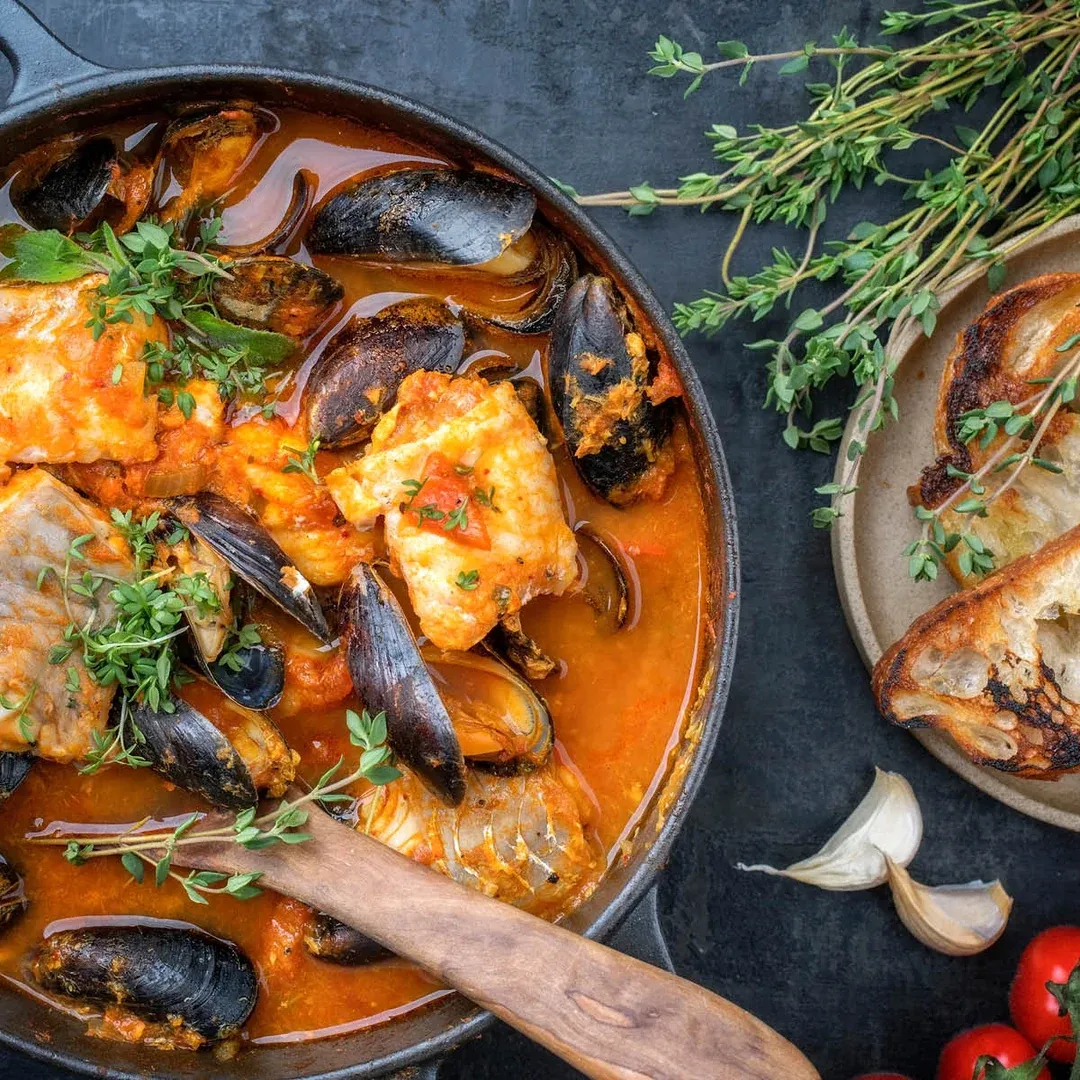

Pan of seafood stew with mussels and fish in tomato broth, garnished with thyme, with crusty bread on the side.

Contents

What do the three techniques actually do?

Curing uses salt to draw out moisture and firm the texture. It can give fish and seafood a firmer structure and more concentrated flavour, but the amount and timing need control. Sous-vide gives precise temperature control and can help with delicate ingredients, but requires correct handling, chilling and seasoning afterwards.

Ceviche uses acidity for flavour and texture. Acid changes the appearance and texture of fish, but it is not the same as cooking with heat. Raw or undercooked fish therefore needs particular care with ingredient quality and food safety. At Kromans, these techniques are used to serve flavour, not to show off.


Pay particular attention to…

  • Curing firms texture and concentrates flavour.
  • Sous-vide gives precise heat but still needs seasoning.
  • Ceviche uses acidity; it is not the same as cooking.
  • Fish and shellfish need fresh ingredients and careful handling.
  • A technique should lift the ingredient, not hide it.

How the techniques bring out better flavour

Curing works when you want a firmer texture and clarity of flavour; scallops can gain structure and a more distinct taste. Sous-vide can control the texture of squid or fish, but the ingredient still needs tasting and may benefit from searing, flambéing or a balance of acidity, richness and herbs.

Ceviche brings freshness, but needs balance. Too much acidity can make the ingredient firm; too little salt leaves it flat. At Kromans, you taste the difference before and after curing, feel what controlled heat does and see how acidity can lift or overwhelm ceviche. A technique makes sense when it leads to better flavour.


In short: 5 things you need to know…

  • Curing uses salt to alter texture and concentrate flavour.
  • Sous-vide can give more precise heat control.
  • Ceviche uses acidity for freshness and texture, but needs care.
  • Modern techniques still need tasting and adjustment.
  • Technique and a feel for the ingredient should work together.

Read more about Indian food

Explore all the Indian food experiences at Kromans Cooking School in Copenhagen.

An article about heat, timing, pan-frying and the small signs that tell you when fish is tender, juicy and ready.

An article about understanding the quality, texture and flavour of some of the sea’s most delicate ingredients.

FAQs

What does it mean to cure fish?

Curing means briefly salting fish or shellfish to change its texture and flavour.

Why use sous-vide for fish?

It provides precise, even heat, which can help with delicate ingredients.

Is ceviche the same as cooked fish?

No. Acidity changes texture and appearance, but it does not cook the fish with heat.

When do modern techniques make sense?

When they improve flavour, texture or precision. Otherwise, they are just kitchen jargon.

Would you like to experience Indian food together?

See our Indian cooking classes, or contact us and we will help you find the right class and menu.