Vegan burgers, tortillas and bowls: plant-based comfort with character


When green food becomes social, satisfying food with bite

Vegan burgers, tortillas and bowls can be comfort food with substance, freshness and character. This article explains how plant-based dishes can be built with a firm foundation, texture and the social pleasure of eating together. They need creamy, crisp and juicy elements along with acidity that keeps the whole dish awake.

At Kromans in Copenhagen, the subject matters because vegan food should be enjoyable to cook together. Not every vegetable needs to stand upright and well behaved. Some things may drip, crunch and make people laugh across the table. Seasoned together, these green dishes become satisfying, informal and ideal for a lively shared kitchen.
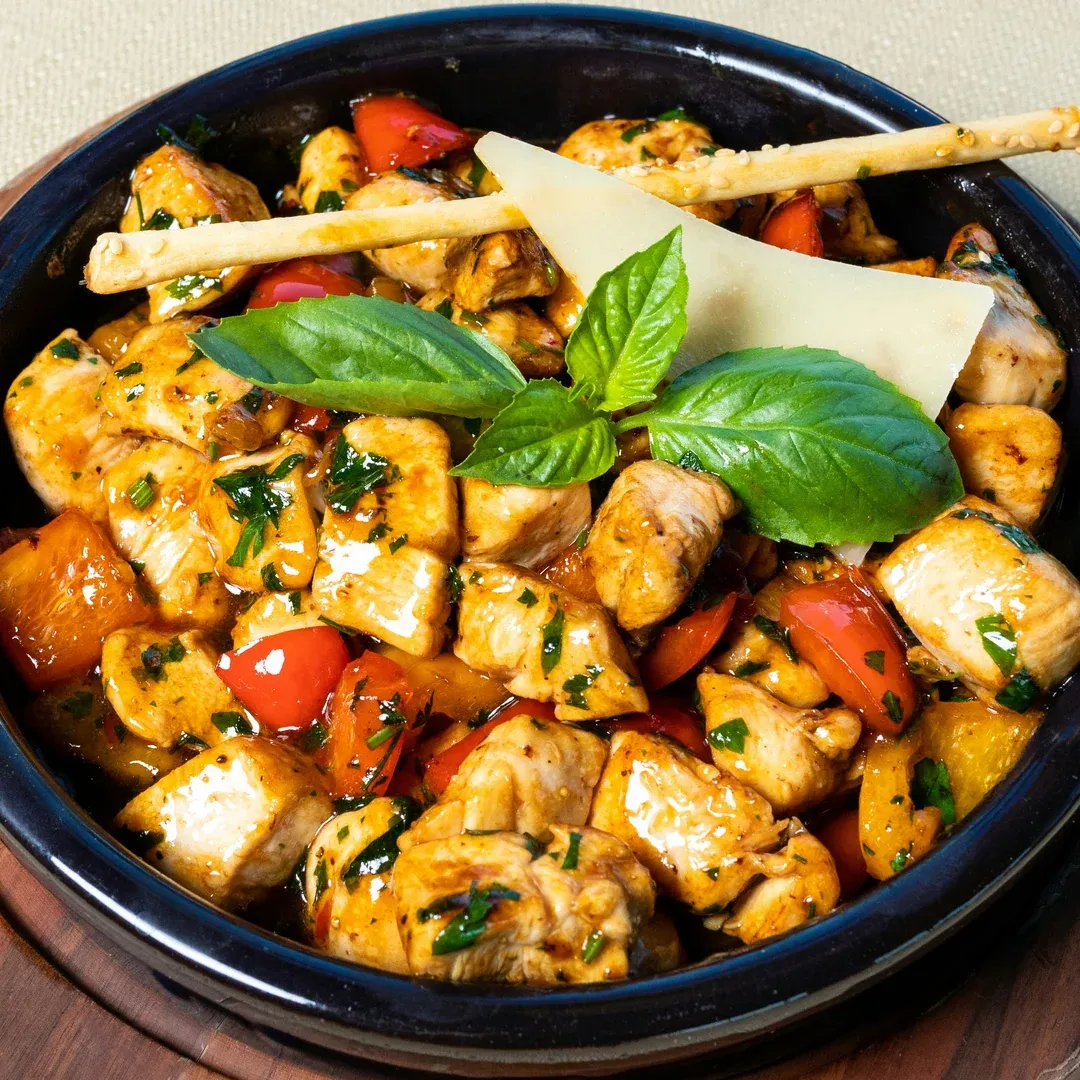

Savory chicken and vegetables in a tomato-herb sauce, topped with a parmesan shard and fresh basil in a dark bowl

Contents

Why plant-based comfort food works

Comfort food is not only about meat, cheese and butter. It is about food that feels satisfying. Vegan comfort food therefore needs the same qualities: substance, richness, texture, warmth, freshness and something around which the meal can gather.

The Vegan Society notes that plant-based ingredients such as beans, lentils, chickpeas, nuts, seeds, quinoa and buckwheat can provide protein and body in a vegan diet. In the kitchen, this means plant-based food can certainly be satisfying when it is built properly.

A vegan burger should not merely look like a burger. It should work as one: a bun with bite, a filling with structure, something creamy, something fresh and something acidic. Kromans’ ‘Black Betty’ veggie burger in a spinach bun shows that plant-based comfort food is allowed a personality.

Tortillas do something different. Homemade corn tortillas with guacamole, mango and pico de gallo create a handheld, social dish in which freshness, acidity, sweetness and creaminess meet in a form that naturally invites people to cook together.

Bowls provide an overview. Quinoa, beans and vegetables can be layered so each mouthful contains a base, body, freshness and texture. It may sound almost too well behaved, but seasoned properly it can be both satisfying and thoroughly enjoyable.


Pay particular attention to…

  • Vegan comfort food needs substance, not merely good intentions.
  • A burger requires structure, richness, acidity and freshness.
  • Tortillas work well because they gather filling and texture.
  • Bowls should be built in layers so they do not become dry.
  • The social pleasure of eating often arises when food is easy to share and assemble.

How to build balanced vegan comfort food

A good vegan burger begins with structure. The filling must support itself, and the bun should not disappear like a damp napkin. Richness can come from avocado, oil, nuts or sauce, while acidity comes from pickles, salsa, lemon, lime or greens. Without acidity the burger becomes heavy; without richness it becomes dry; without texture it becomes dull. It is a hard world for a burger without a backbone.

Tortillas require the same balance in a smaller format. The corn tortilla provides a base, guacamole creaminess, mango sweetness and pico de gallo freshness and acidity. When it works, the hands almost understand before the head does — a valuable quality in social food.

A bowl should not be a collection of things that met by accident. Quinoa, beans and vegetables need direction. There should be something soft, crisp, juicy and acidic, plus something to bind it all together. Otherwise it quickly becomes a lunch salad with ambitions and low blood sugar.

These dishes work well at Kromans because many people can contribute at once. Someone makes guacamole, someone seasons salsa, someone builds burgers, someone tends quinoa and beans. Suddenly the kitchen comes alive in the way that lets you learn without noticing you are learning.

Most importantly, plant-based comfort food should not apologise. It should taste of something, have bite and make you want another mouthful. When it does, it is not a substitute. It is simply food. Good food — still the best category we have.


In short: 5 things you need to know…

  • Vegan comfort food is about substance, structure and flavour.
  • A good vegan burger needs richness, acidity and texture.
  • Tortillas are effective because they unite fresh and creamy elements.
  • Bowls work best when built in layers.
  • Plant-based food should not copy meat; it should taste good in its own right.

Read more about vegan cooking

Explore all our vegan food experiences at Kromans Cooking School in Copenhagen.

An article about how plant-based ingredients can provide body, protein, texture and satisfaction in vegan dishes.

An article about how texture and seasoning lift vegan dishes from good intentions to genuine flavour.

FAQs

Can vegan food be comfort food?

Yes. Vegan food can certainly be comfort food when it has substance, texture, richness and good seasoning.

Burgers, tortillas and bowls can all be made plant-based with plenty of character.

What makes a good vegan burger?

A good vegan burger has structure, juiciness, acidity, richness and something crisp.

It needs to work as a whole rather than merely look like a burger.

Why do tortillas work well in vegan food?

Tortillas gather filling, sauce, freshness and texture in a simple format.

They suit social cooking because they are easy to build and share.

How do you avoid dry vegan bowls?

Use sauce, acidity, creamy elements and crispness.

Quinoa and beans need a counterpoint of vegetables, herbs, richness and freshness.

Would you like to experience vegan cooking together?

See our vegan cooking classes, or contact us and we will help you find the right class and menu.