Pulses, quinoa and nuts: building substance in vegan food


Plant-based food should satisfy, crunch and stand firm

Pulses, quinoa and nuts can give vegan food body, structure and greater satisfaction. This article explains how plant-based ingredients create a foundation without making dishes heavy. They provide bite and richness and can be combined with vegetables, herbs and acidity so the result still feels fresh.

At Kromans in Copenhagen, the subject is central because vegan food should not be a plate of good intentions. It needs flavour, substance and enough texture that nobody starts searching the horizon for a steak. Working with layers and seasoning shows how each ingredient gains a purpose and contributes to a complete dish.
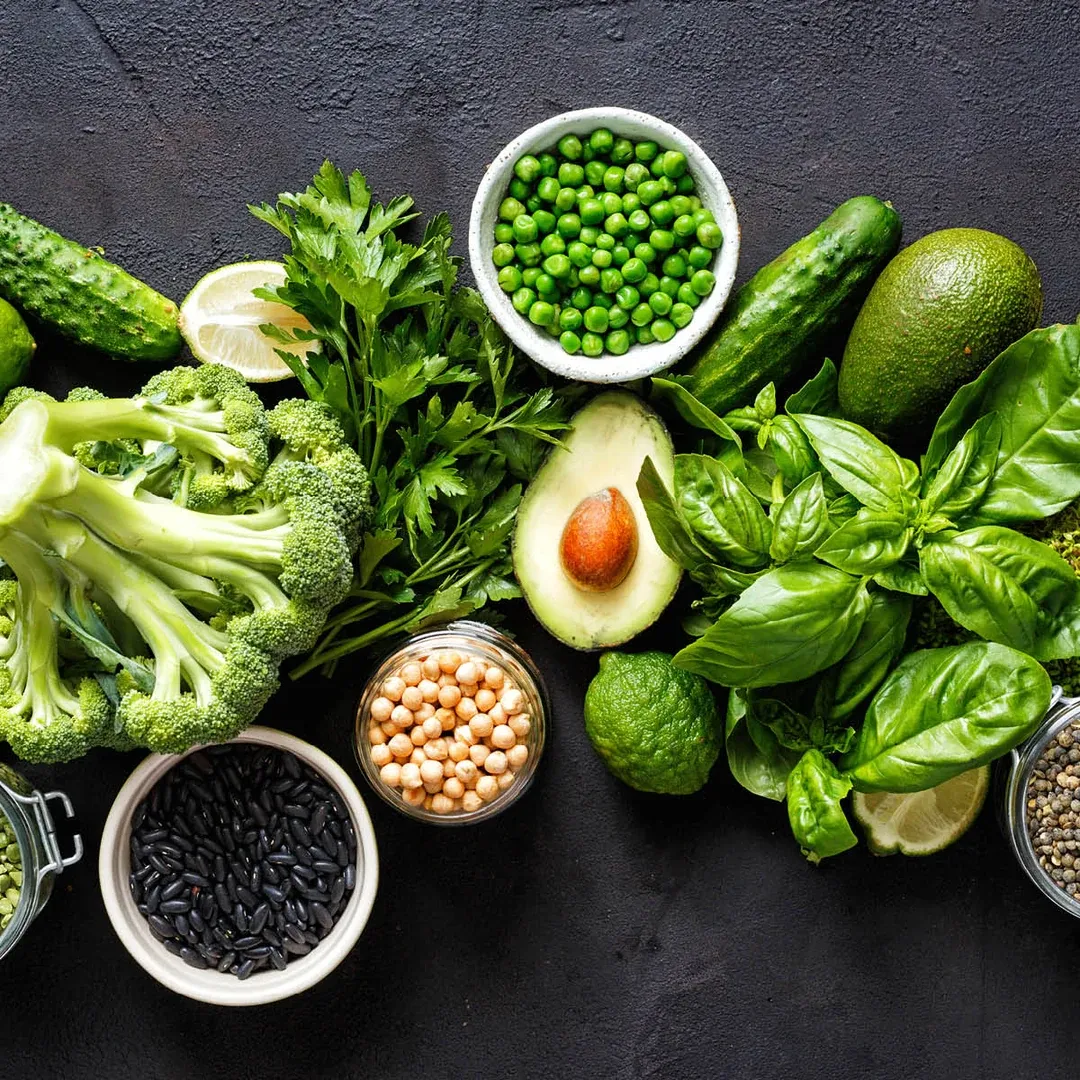

Assorted fresh green produce on a dark surface: broccoli, avocado, peas, cucumbers, basil, lime, chickpeas, and black rice.

Contents

Why substance matters so much in vegan food

Vegan food becomes truly interesting when it has a foundation — not a heavy one, but a sense of body, structure and satisfaction. Pulses, quinoa and nuts have a major role here.

Pulses such as beans, lentils and chickpeas provide both satisfaction and structure. They can be creamy, firm, spiced, blended, baked or fried. Quinoa offers small grainy bites and a useful base for bowls. Nuts and seeds bring richness, crunch and toasted notes. Together they give a vegan dish greater weight without making it sluggish.

The Vegan Society notes that many plant-based foods provide protein, although quantity and quality vary, and identifies beans, lentils, chickpeas, tofu, soya products, peanuts, nuts, seeds, quinoa and buckwheat among useful vegan protein sources.

Kromans’ vegan theme puts this into practice with quinoa bowls, beans and greens, creamy coconut with red lentils, chickpea flatbread, Mexican black beans, guacamole, baked sweet potatoes and salted almonds. These ingredients are not present merely to look healthy in a corner. They need to work, providing body, flavour and something to chew.

Variation is decisive. If everything is creamy, the dish becomes flat. If everything is dry and grainy, it becomes difficult to love. Substance arises when pulses, grains, nuts, richness, acidity and vegetables work together.


Pay particular attention to…

  • Pulses provide body, satisfaction and structure.
  • Quinoa can form a light, grainy base for bowls.
  • Nuts and seeds add crunch, richness and toasted notes.
  • Acidity and freshness prevent the dish from becoming heavy.
  • Substance is about balance, not simply adding more weighty ingredients.

How to build plant-based substance in practice

A good vegan dish should be built in layers. Begin with a base of quinoa, beans, lentils, chickpeas or sweet potatoes. Add something creamy: guacamole, coconut, avocado or an emulsion. Then something fresh: herbs, mango, pico de gallo, rocket or acidity. Finish with something crisp: nuts, flatbread, seeds or fried elements.

Red lentils are useful because they become creamy and accept spices readily. Black beans provide darker depth and firmer structure. Chickpeas offer bite, body and a nutty flavour. Quinoa is light enough not to weigh the dish down, yet firm enough to give a bowl something to stand on.

Nuts are an especially useful technique. Salted almonds or toasted nuts provide the crunch that keeps the mouth interested, but they need purpose. Too many make the dish rich and heavy; too few and the texture disappears.

At Kromans, this becomes tangible in the kitchen. You taste the lentils, adjust the guacamole, build a bowl, decide whether the sweet potatoes need salt and discover that plant-based food is not good merely because it is attractive. It becomes good when it is seasoned.

The social setting helps. Around the same dish people ask, ‘Does it need acidity?’, ‘Is it too soft?’, ‘Should we add more crunch?’ This is precisely where vegan food moves from correct to delicious — and yes, that is a fairly significant journey.


In short: 5 things you need to know…

  • Vegan food needs substance, structure and satisfaction.
  • Beans, lentils and chickpeas are strong building blocks.
  • Quinoa provides light body and a useful base for bowls.
  • Nuts and seeds add richness and crunch.
  • A good vegan dish balances creamy, crisp, fresh and substantial elements.

Read more about vegan cooking

Explore all our vegan food experiences at Kromans Cooking School in Copenhagen.

An article about how texture and seasoning lift vegan dishes from good intentions to genuine flavour.

An article about building vegan dishes with substance, freshness, a good sear and the social pleasure of eating together.

FAQs

How do you give vegan food more body?

Use pulses, grains, nuts, seeds, vegetables and good sources of fat.

Beans, lentils, chickpeas, quinoa and nuts can provide both satisfaction and structure.

Is quinoa important in vegan food?

Quinoa is not essential, but it is useful.

It provides a light, grainy base and works well with beans, vegetables, herbs and sauces.

Why use nuts in vegan dishes?

Nuts bring richness, crunch and toasted flavour.

They can make a plant-based dish more satisfying, particularly when balanced with acidity and freshness.

How do you avoid heavy vegan food?

Balance pulses and richness with acidity, vegetables, herbs and crispness.

Seasoning determines whether the dish feels lively or heavy.

Would you like to experience vegan cooking together?

See our vegan cooking classes, or contact us and we will help you find the right class and menu.