Green cooking with substance, crispness and no apologies
Kromans’ vegan cooking class is for groups who want plant-based food with flavour, texture, acidity, richness, sweetness, umami and genuine substance. We work with quinoa, beans, lentils, chickpeas, avocado, cauliflower, asparagus, sweet potatoes, guacamole, mango, herbs, spinach buns and plenty of green energy in the kitchen.
It suits companies, teams and private groups who want to cook vegan food together in Copenhagen without the evening becoming a seminar in deprivation. A well-planned plant-based diet can encompass many groups of ingredients, and The Vegan Society highlights beans, grains, nuts, seeds, fruit and vegetables among its central building blocks.
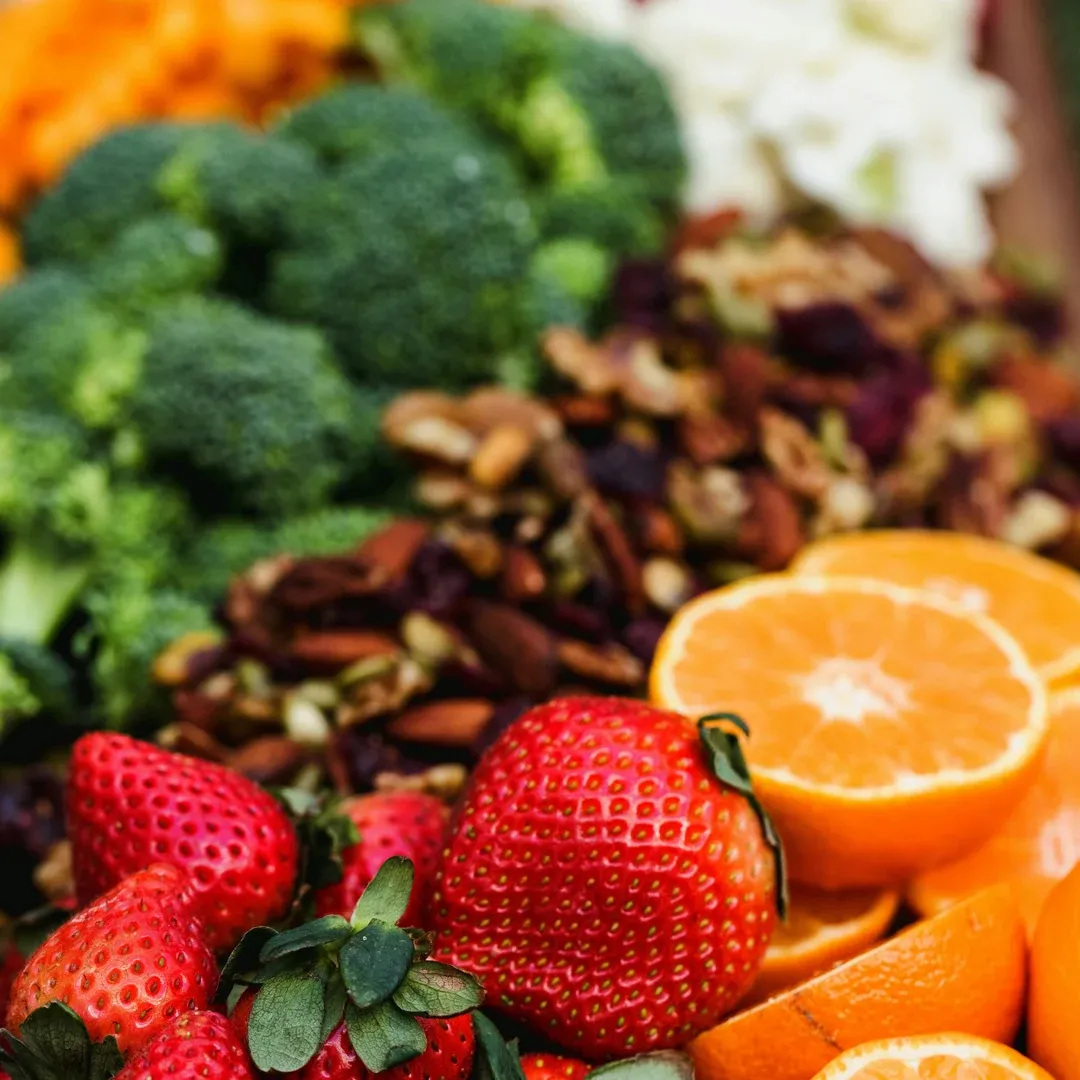
Vegan Menu #1 ♥
Power balls, sprouts and radishes served on basil emulsion
Asparagus with new potatoes, herbs, flowers and rocket pesto
Cauliflower symphony with crisp flakes, salted almonds and green oil
‘Black Betty’ veggie burger with spinach bun and accompaniments
Mango sorbet with chocolate and marzipan cake (gluten-free)
DKK 1,275 excl. VAT
Drinks included
Vegan Menu #2
Quinoa bowl with beans and vegetables
Creamy coconut with red lentils
Chickpea flatbread with rocket, avocado and mango salsa
Mexican black beans with guacamole and roasted sweet potatoes
Chocolate and marzipan cake with mango sorbet
DKK 1,275 excl. VAT
Drinks included
A Little Vegan Affair…
Homemade corn tortillas with the original guacamole, mango and pico de gallo
‘Black Betty’ veggie burger in a homemade spinach bun
Baked plums with chocolate cream and oat crunch
DKK 1,050 excl. VAT
Drinks included