Tom yum gung: why Thai soup is all about balance


Acidity, heat and aroma in the same spoonful

Tom yum gung is a Thai prawn soup in which the balance between acidity, heat, aroma and broth matters more than sheer strength. Lemongrass, galangal, kaffir lime leaves, chilli and prawns should not merely be tasted separately, but work together so the soup feels lively, fresh and precise. This article explains what makes that balance fall into place.

At Kromans in Copenhagen, tom yum gung matters because the dish shows something central to Asian cooking: flavour is built in layers, adjusted as you work and judged with the senses. One extra taste can mark the difference between hot and genuinely good, while small changes in acidity, salt, heat or depth can transform the entire soup.
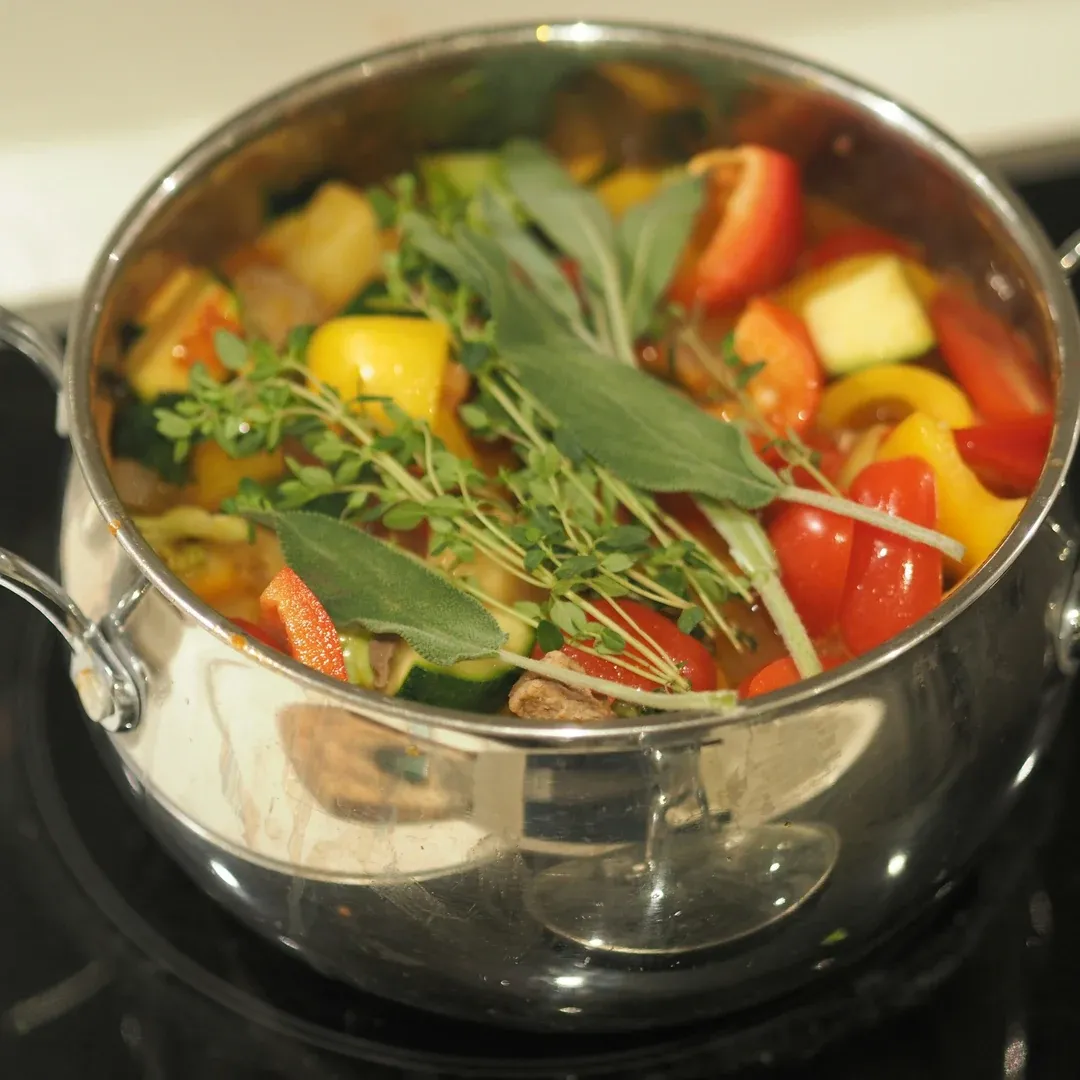

Pot of colorful vegetable soup simmering on a stovetop, topped with fresh herbs like thyme and sage.

Contents

What is tom yum gung?

Tom yum gung is a traditional Thai soup of prawns and herbs with a characteristic balance of acidity, heat and aromatic freshness. UNESCO describes it as a traditional Thai prawn soup in which the prawns are cooked with ingredients including lemongrass, kaffir lime leaves, galangal and shallots before the soup is seasoned with local condiments. The dish was inscribed on UNESCO’s list of intangible cultural heritage in 2024.

The important thing about tom yum gung is that it should not merely be hot. It should be alert. The acidity needs to lift, the heat needs to bring energy, the herbs need to release their aroma and the broth needs to carry everything. If one element takes up too much space, the dish loses its precision.

Lemongrass brings freshness and an almost citrus-like aroma. Galangal provides a drier, spiced and slightly medicinal warmth. Kaffir lime leaves add perfumed bitterness and depth. Prawns contribute sweetness and the taste of the sea. When these elements work together, the soup gains its characteristic spring and vitality.

In a Kromans setting, tom yum gung is a useful dish to learn from because it demands seasoning. You cannot simply follow one line and hope the soup finds its own way home. It needs to be tasted. Perhaps it lacks acidity. Perhaps the heat is too forceful. Perhaps the broth needs more depth. This is where kitchen craft begins to stir.


Pay particular attention to…

  • Tom yum gung should be balanced, not merely hot.
  • Acidity, heat and aroma need to be present at the same time.
  • The broth is the foundation and must not become thin.
  • Prawns bring sweetness and the taste of the sea, but need gentle cooking.
  • Herbs such as lemongrass, galangal and kaffir lime leaves give the dish its signature.

Why balance matters more than strength

Many people think of Asian food as something involving chilli, soy and a little ‘bang’. That is not entirely wrong, but it is far too flat. Tom yum gung shows that strength is only one part of flavour. A soup can be hot and still be dull if it lacks acidity, fragrance or depth.

The balance begins with the broth. It needs enough body to carry the herbs, acidity and prawns. If the broth is thin, the soup becomes sharp. If it is too heavy, it loses its freshness. This is one of those dishes in which you can genuinely taste whether someone has been present at the pan.

Acidity is the next key. It makes the soup poised and appetising. Too much acidity can make the dish harsh; too little and the soup loses its energy. Heat from chilli or other strong elements should create life, not take over every conversation in the room.

At Kromans, tom yum gung works well in a shared kitchen because everyone experiences flavour differently. One person notices the acidity first. Another feels the heat. A third says it lacks depth, and suddenly you have a small kitchen meeting that actually matters. No PowerPoint. Just spoons.

That is valuable because flavour becomes shared. You learn not only what tom yum gung is, but what balance feels like in the mouth. Once you have experienced that, it is difficult to return to soup that simply shouts ‘hot’ and calls itself finished.


In short: 5 things you need to know…

  • Tom yum gung is a Thai prawn soup with acidity, heat and aroma.
  • The dish is about balance, not only chilli.
  • Lemongrass, galangal and kaffir lime leaves provide its distinctive fragrance.
  • Prawns need gentle cooking to preserve their sweetness and texture.
  • The soup needs tasting as you cook because small adjustments make a substantial difference.

Read more about Asian food

Explore all the Asian food experiences at Kromans Cooking School in Copenhagen.

An article about grilling, marinating and fermentation, and how kimchi can bring freshness and edge to a menu.

An article about how heat, freshness, crunch and umami work together in an Asian-inspired menu.

FAQs

What is tom yum gung?

Tom yum gung is a traditional Thai prawn soup with herbs, acidity, heat and aromatic broth.

It is particularly associated with ingredients such as lemongrass, galangal, kaffir lime leaves and prawns.

Is tom yum gung always very hot?

No. Tom yum gung should have heat, but the dish is first and foremost about balance.

Acidity, aroma, broth and prawns should be tasted alongside the chilli.

What makes the soup fresh?

Its freshness comes principally from acidity and aromatic herbs.

Lemongrass, lime, kaffir lime leaves and galangal can give the soup a poised, lively flavour.

Why is tom yum gung well suited to cooking together?

Because the dish demands seasoning.

Several people can taste the soup and adjust the acidity, heat and depth to improve the balance.

Would you like to experience Asian food together?

See our Asian cooking classes, or contact us and we will help you find the right class and menu.