Broth, fermentation and vegetables: building balance in Asian food


When flavour gains layers, bite and a little more direction

Balance in Asian cooking is often about layers: broth, fermentation, vegetables, acidity, heat, salt, sweetness and umami. The individual elements should not compete for attention, but give one another direction, depth and freshness. This article explains how broth can carry flavour, fermentation can create complexity, and vegetables can add bite and movement to a menu.

At Kromans in Copenhagen, the subject matters because Asian cooking quickly reveals whether you are seasoning properly. It is not enough for the dish to be hot or appear exotic. It needs to hold together. Small adjustments to acidity, salt, heat, texture and umami can transform the whole experience and make the difference between a heavy dish and a lively menu.
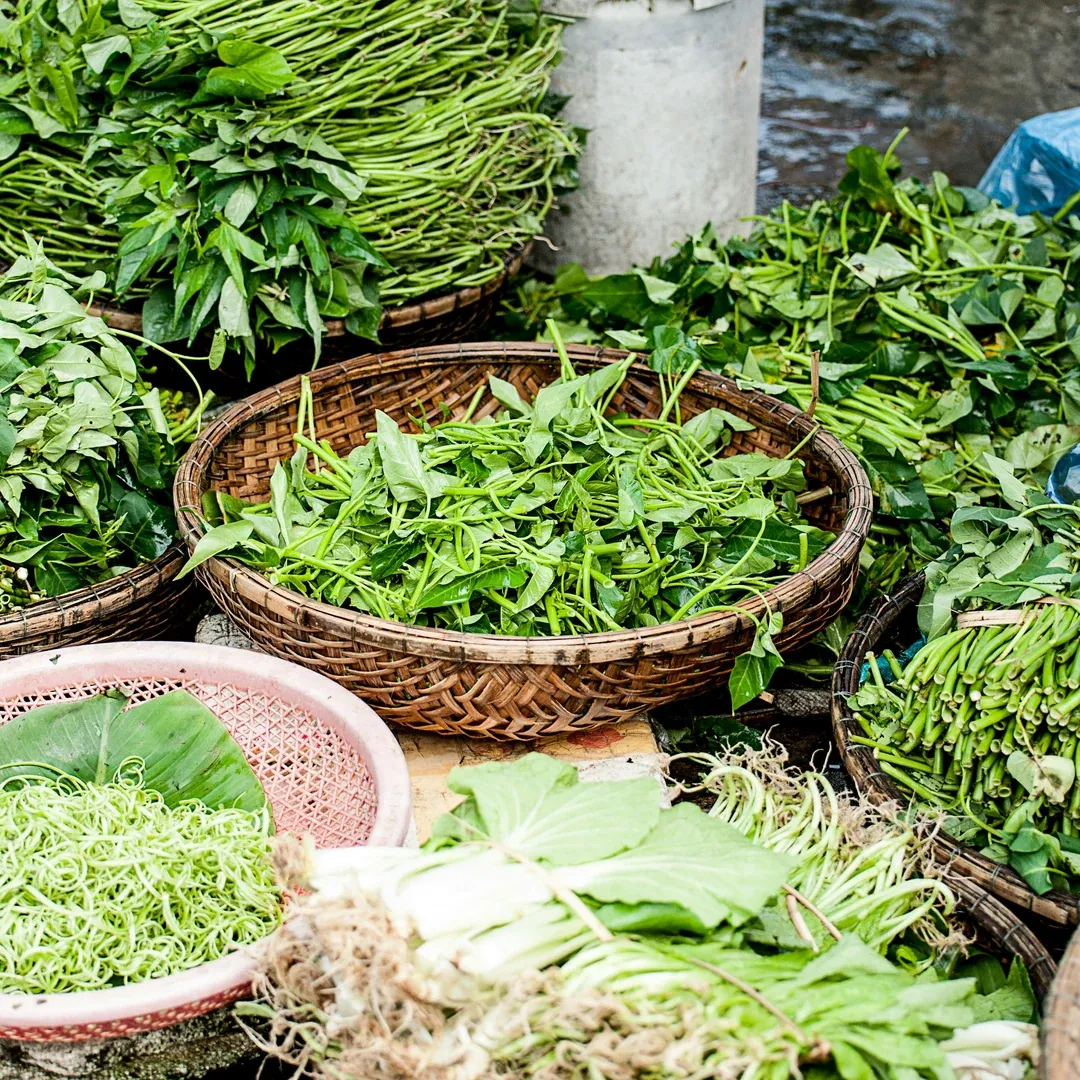

Baskets of fresh leafy greens and herbs at an outdoor market stall

Contents

Asian balance is not one flavour, but an interplay

‘Asian food’ is an enormous term. So enormous it almost deserves a chair of its own. It therefore makes more sense to discuss specific flavour techniques: broth, fermentation and vegetables. These three elements can create balance in many Asian-inspired dishes without pretending to cover an entire continent on one plate.

Broth provides a foundation. It can be light, deep, aromatic, hot or mild, but it needs to carry the dish. In tom yum gung, the broth is not merely liquid. It is where acidity, heat, prawns and herbs meet. UNESCO describes tom yum gung as a traditional Thai prawn soup containing ingredients such as lemongrass, kaffir lime leaves, galangal and shallots, showing how much aroma matters to the character of a broth.

Fermentation creates complexity. Kimchi is a good example because it brings acidity, salt, spice, crisp vegetables and depth. UNESCO describes kimjang as a Korean tradition in which kimchi is made and shared as a community, showing that fermentation also has a social and cultural dimension.

Vegetables bring texture and freshness. Pak choi, green asparagus and watercress can keep a dish lively, particularly when meat, marinade or strong elements are also involved. The vegetables should not lie there like decoration with low self-esteem. They need to provide snap, bitterness, freshness or juice.


Pay particular attention to…

  • Broth needs sufficient depth to carry the rest of the dish.
  • Fermentation provides acidity and complexity, but needs balance.
  • Crisp vegetables matter when the menu also includes meat, heat and sweetness.
  • Umami should not become heavy without freshness.
  • Seasoning is essential because small adjustments alter the whole dish.

How to build balance in practice

An Asian-inspired menu works best when you think in contrasts. Broth against grilling. Fermentation against richness. Vegetables against heat. Coconut against spice. Acidity against sweetness. These are not random opposites. They are how the dish remains lively.

If a broth lacks acidity, it can feel flat. If it lacks salt, the aromatics can seem distant. If it lacks depth, strong chilli merely becomes sharp. This is why tom yum gung is such a useful teacher: it punishes inattention but rewards care.

Fermentation should not be used merely because it sounds fashionable. Kimchi works because it provides a specific counterpoint: acidity, crunch, chilli, salt and depth. It can make grilled or marinated meat feel fresher and more appetising. Too much, however, and it can take up all the space. Kimchi should play in the band, not steal the microphone all evening.

Vegetables are the third key. Pak choi, asparagus and watercress provide green freshness and texture. They need to be treated so they retain some life. Too much heat and they become sad. Too little seasoning and they become decorative. There is no point inviting vegetables if they are simply going to stand around watching.

At Kromans, this becomes tangible at the tables. You taste, adjust and feel how broth, fermentation and vegetables change the rhythm of the menu. The social setting genuinely helps because more senses are involved. Someone notices the acidity. Someone misses salt. Someone says the vegetables need more bite. Then the dish begins to improve.


In short: 5 things you need to know…

  • Broth is the foundation of many Asian dishes.
  • Fermentation provides acidity, salt and depth.
  • Crisp vegetables keep a menu fresh and lively.
  • Balance requires heat, acidity, sweetness, salt and umami to work together.
  • Tasting as you cook is the most important technique, even when the recipe appears reliable.

Read more about Asian food

Explore all the Asian food experiences at Kromans Cooking School in Copenhagen.

An article about acidity, heat, aroma, broth and the layers of flavour that make tom yum gung more than merely a hot soup.

An article about grilling, marinating and fermentation, and how kimchi can bring freshness and edge to a menu.

FAQs

What does balance mean in Asian food?

Balance means acidity, heat, salt, sweetness, umami and texture working together.

The dish should not merely be hot, but have direction and depth.

Why is broth important?

Broth carries the flavour in many dishes.

It brings aromatics, ingredients and seasoning together so the dish gains depth and coherence.

What does fermentation do for flavour?

Fermentation adds acidity, salt, complexity and often greater depth.

Kimchi is a good example of how fermentation can provide freshness and edge.

Why does the texture of vegetables matter?

Texture makes the dish more lively.

Vegetables with bite can balance meat, marinade, broth and strong elements.

Would you like to experience Asian food together?

See our Asian cooking classes, or contact us and we will help you find the right class and menu.