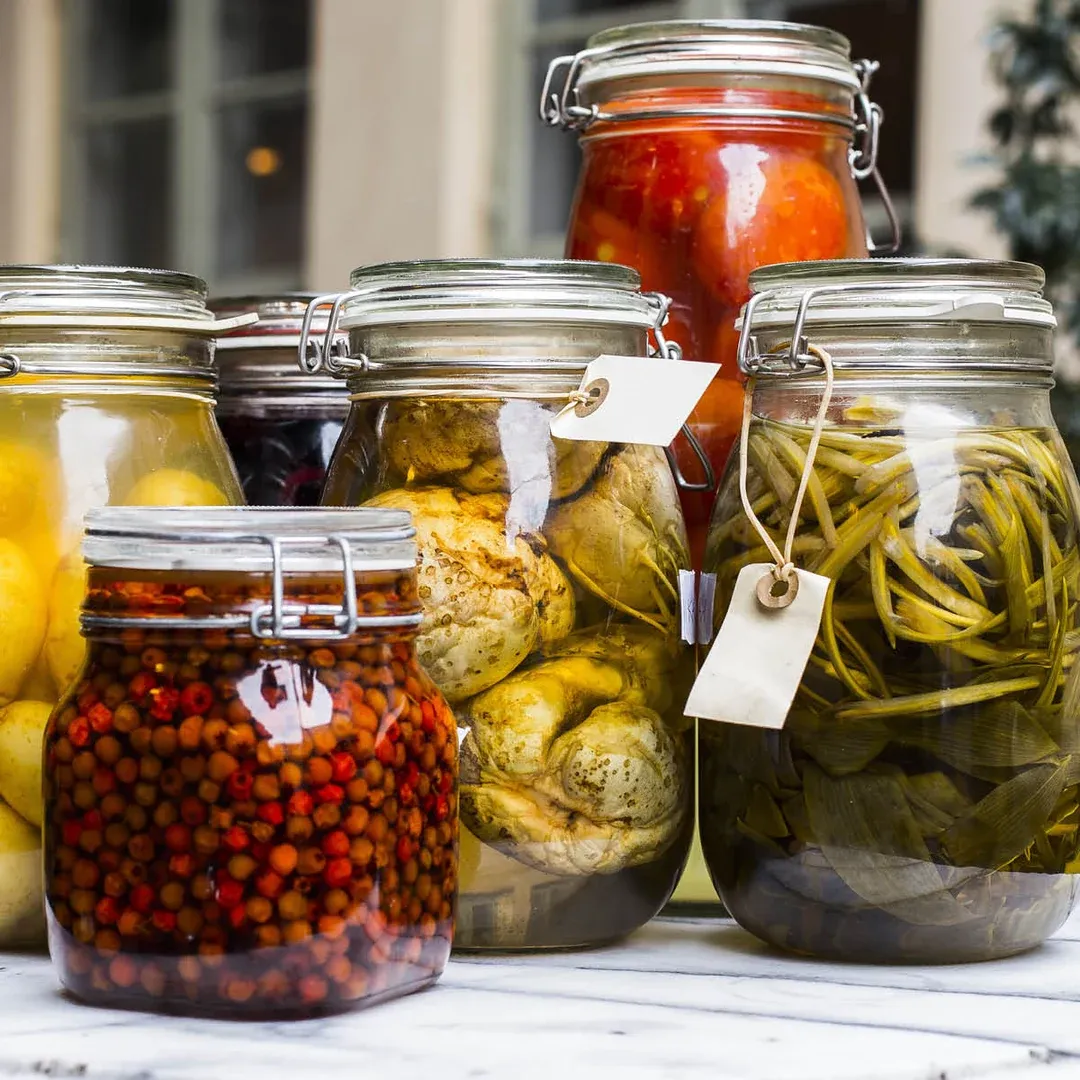
Grilling, fermentation and the sort of acidity that wakes up the table
Galbi and kimchi represent two powerful threads in Korean cooking: marinating and grilling on one side, and fermentation, acidity and crisp vegetables on the other. Galbi brings depth, sweetness, warmth and caramelisation, while kimchi provides freshness and contrast. Together they show how contrasts can make a menu feel both powerful and balanced.
At Kromans in Copenhagen, they matter because they make the work of flavour tangible. Tender meat, fermented edge, salt, sweetness, chilli and crisp vegetables need adjusting so that no element takes over. This article explains how marinating, grilling and fermentation work together, and why kimchi is not merely an accompaniment but an active part of the dish’s balance.