Sea views, garlic and rustic warmth with lemon in the air
A Portuguese cooking class at Kromans is for groups who want to cook with flavours of the sea, olive oil, garlic, citrus, herbs, pork, shellfish, piri-piri and sweet classics to finish. Portuguese cooking has both salt water in its hair and soil beneath its fingernails — and that suits an evening in the kitchen rather well.
It suits companies, teams and private groups who want to cook together in Copenhagen with warmth, freshness and rustic depth. The menus include cod, mussels, sea bass, Iberian pork, piri-piri, saffron rice, Pastel de Nata and almond pastries. So yes, there is plenty to get stuck into. Fortunately.

Great Portuguese Food and “hygge”
- Três croquetes
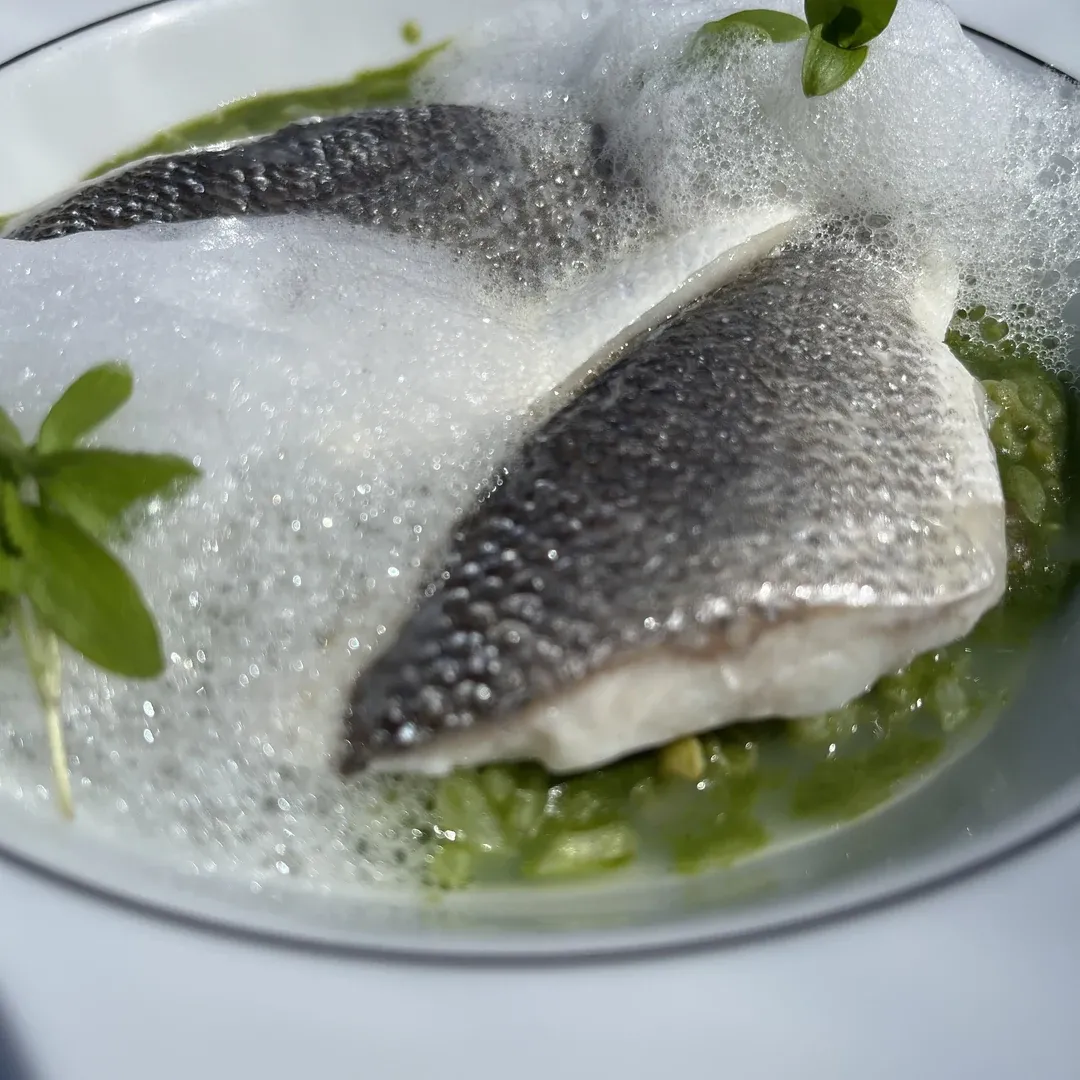
with salt cod, vegetables and mussels - Sea bass steamed in white wine, served on rice and potato cream with herb purée
- Iberico pork fillet ‘Alentejo’ with cockles
- The famous pastel de nata
served with fresh fruit and mocha and cinnamon parfait
DKK 1,425 excl. VAT.
Includes high-quality Portuguese wines with the meal.

A Little Portuguese Affair…
- Scampi ‘tempura’ in black brioche buns with salad and coriander and lime mayonnaise
- ‘Piri-piri’ chicken, garlic and saffron rice, and mixed salad
- ‘Piriquita’ – almond pillows from Sintra (travesseiro) with pineapple parfait
DKK 1,050 excl. VAT
Drinks included