Sea and land in Portuguese food: why fish, shellfish and pork belong together


Salt water, pork and lemon in the same pan

Portuguese food often combines ingredients from the sea with rustic elements from the land. This article explains why fish, shellfish, pork, herbs, garlic, citrus and olive oil can share the same flavour world. The point is to connect salt, richness, acidity and depth so the ingredients support one another without losing their own clear character.

At Kromans in Copenhagen, the subject matters because the Portuguese cooking class works with cod, mussels, sea bass, Iberian pork, clams and a clear sense of both coast and countryside. The combinations become practical as participants taste, adjust and experience how maritime and rustic elements can meet on the same plate.
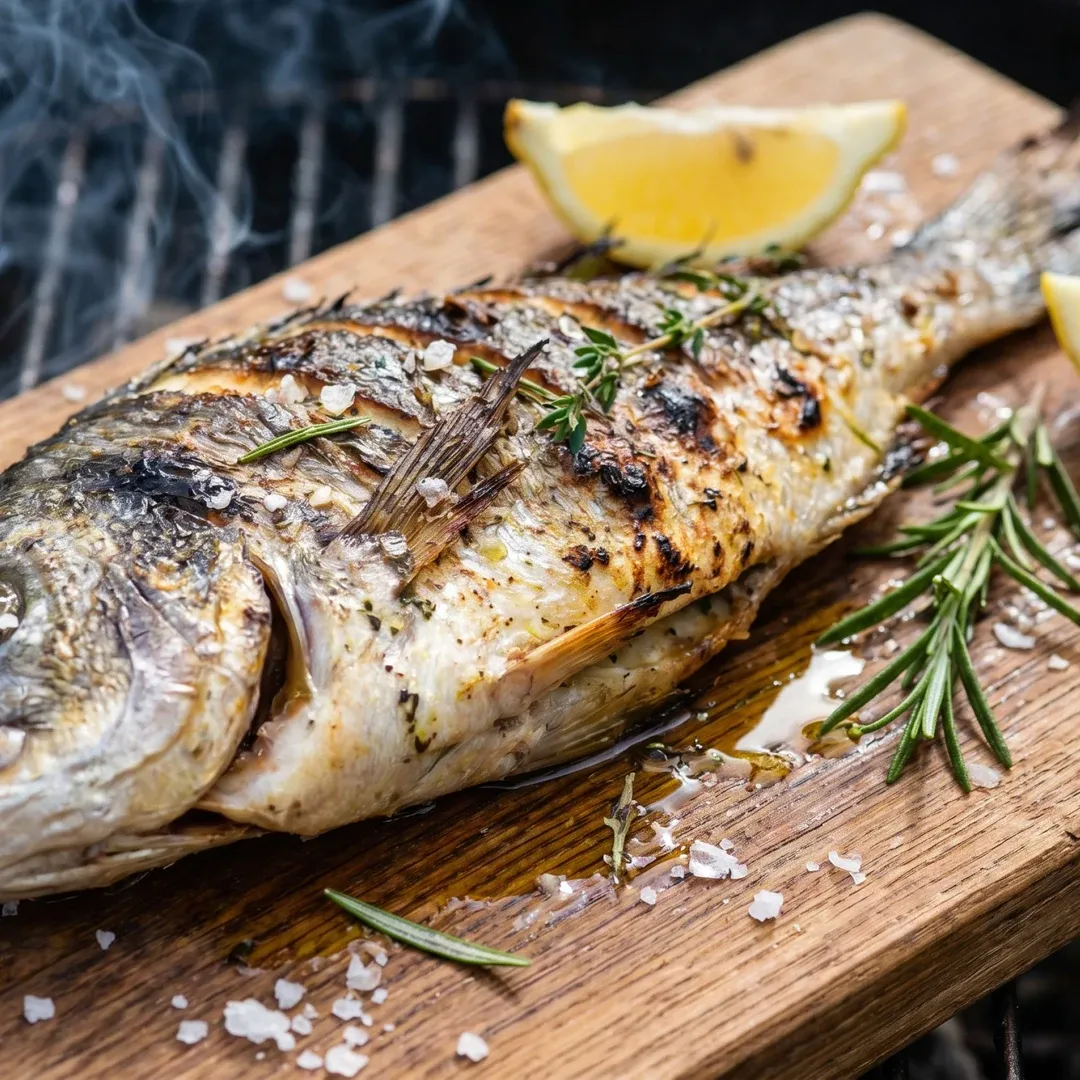

Grilled whole fish on a wooden board garnished with rosemary, thyme, and coarse salt, with lemon wedges in the background.

Contents

Why the sea matters so much in Portuguese food

Portugal is closely connected to the sea, and VisitPortugal describes it as one of the defining characteristics of Portuguese gastronomy, with fresh fish and shellfish along the coast. Portuguese food is not only fish, however. It also includes bread, rice, pork, herbs, wine, garlic, olive oil, citrus and robust regional dishes.

That span between sea and land is precisely what makes it interesting. Fish and shellfish bring salinity, sweetness and freshness. Pork brings richness, depth and warmth. Herbs, lemon, garlic and wine can bind everything together so the dish does not become too heavy.

The Alentejo tradition is clear in Kromans’ menu through Iberian pork tenderloin and clams. Combining pork and clams is familiar in Portuguese food, particularly in dishes such as carne de porco à alentejana, where they meet potatoes and coriander.

The flavour logic makes sense: clams add salty sweetness, pork adds richness, and herbs and citrus keep everything alert. When it works, the dish is both robust and fresh. When it does not, it is merely land and sea in the same dish without a conversation.


Pay particular attention to…

  • Portuguese food has strong traditions from both sea and land.
  • Fish and shellfish bring salinity, sweetness and freshness.
  • Pork brings richness, depth and warmth.
  • Citrus, garlic and herbs are important to the balance.
  • The combination works best when no ingredient overwhelms the others.

How sea and land become balance in the kitchen

A dish of pork and clams needs thoughtful seasoning. Pork can provide strength and richness, but needs freshness. Clams bring marine flavour and salinity, but should not be cooked into little rubber greetings from the bottom of the pan. Garlic, wine, lemon and coriander can bring the direction together.

Cod and sea bass require a different sort of care. Cod brings mildness and structure, while sea bass needs handling that preserves its own flavour. Herb purée, rice or potato cream and white wine can be good companions, but should not take over.

The Portuguese theme works well for group cooking at Kromans because it involves many small flavour decisions. When are the mussels ready? Does the dish need acidity? Is the garlic a friend or the boss? Should the herbs come further forward? These are the questions that improve the food.

The social element matters too. Portuguese food has a generous energy that suits a kitchen where people stand together, taste and discover that lemon can rescue more than a fish. It is not magic. It is tasting. Yet when it works, it almost feels like it.


In short: 5 things you need to know…

  • Portuguese food often combines the freshness of the sea with the substance of the land.
  • Fish, shellfish and pork can be balanced with citrus, herbs and garlic.
  • Clams add salty sweetness and need gentle cooking.
  • Pork brings depth but requires freshness.
  • Sea and land work best when the whole dish is tasted together.

Read more about Portuguese cooking

Explore all our Portuguese food experiences at Kromans Cooking School in Copenhagen.

An article about how chilli, garlic, lime, coriander and saffron can give Portuguese food both energy and freshness.

An article about Portuguese sweet classics, pastry traditions and why dessert is more than sugar at the end.

FAQs

Why does Portuguese food combine fish, shellfish and pork?

Sea and land can create a strong balance of salinity, richness, sweetness and freshness. Shellfish bring marine flavour while pork adds depth and substance.

What do clams contribute to pork dishes?

Clams add salinity, sweetness and coastal freshness. They can lift pork so the dish does not become too heavy.

Which flavours bind Portuguese food together?

Garlic, olive oil, citrus, herbs, wine, salt and heat are important threads. They help balance fish, shellfish, meat and vegetables.

Why is Portuguese food good for group cooking?

The dishes offer many practical tasks and tasting points. You can work together with fish, shellfish, meat, herbs, sauces and seasoning.

Would you like to experience Portuguese cooking together?

See our Portuguese cooking classes, or contact us and we will help you find the right class and menu.