Pastel de Nata and travesseiro: Portuguese desserts with flakes and substance


Crisp pastry, soft custard and a sweet finish with character

Pastel de Nata and travesseiro are Portuguese dessert classics. This article explains how puff pastry, custard, almonds, cinnamon, caramelisation and substance make dessert more than sugar at the end. Dessert needs contrast between crisp flakes, soft custard, toasted notes and freshness so that sweetness has direction rather than taking over the experience.

At Kromans in Copenhagen, the subject matters because the Portuguese class includes Pastel de Nata and almond pastries from Sintra in the travesseiro tradition. Dessert should not merely end the evening. It should land it properly. That means working with temperature, texture and precise seasoning so every mouthful feels generous yet remains balanced.
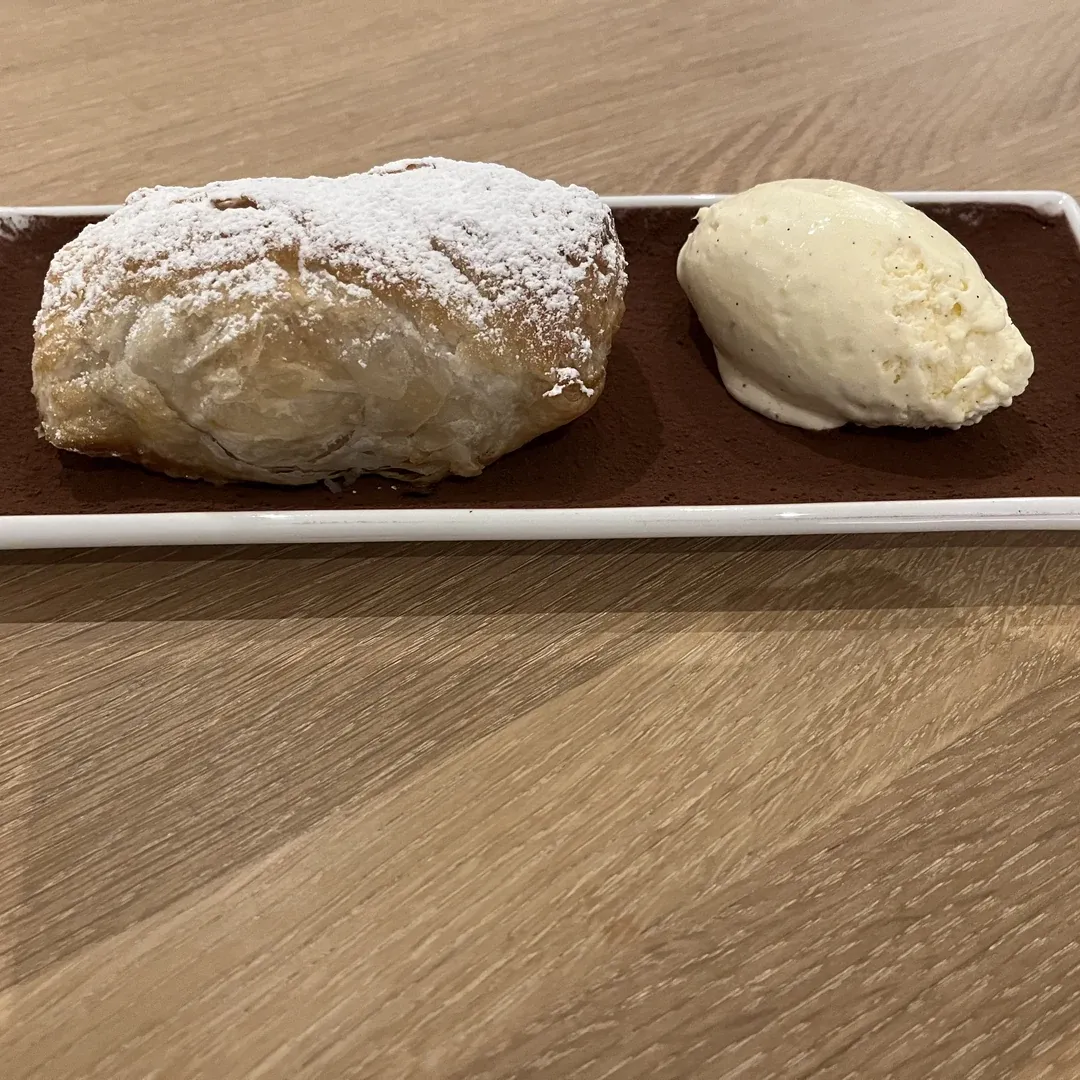

Powdered sugar-dusted cream puff on a rectangular plate with a scoop of vanilla ice cream beside it.

Contents

What defines Portuguese dessert classics?

Portuguese dessert traditions make generous use of eggs, sugar, pastry, almonds, cinnamon and small cakes with considerable personality. Pastel de Nata is the best known to many: crisp pastry, soft custard and a caramelised surface. VisitPortugal provides a traditional recipe for Pastéis de Nata and describes the hot baking that turns the pastry golden and caramelises the custard.

Travesseiro is associated with Sintra. VisitPortugal names Sintra’s queijadas and travesseiros among the local sweet specialities worth enjoying. Travesseiro means pillow, which makes perfect sense: puff-pastry lightness, sweet filling and almond character. A dessert with the feeling of a duvet, fortunately in the crisp sense.

Kromans’ Portuguese theme serves Pastel de Nata with fresh fruit and mocha and cinnamon parfait, while the little Portuguese affair features ‘Piriquita’ almond pastries from Sintra with pineapple parfait. These offer two sweet directions: the creamy, caramelised classic and a more almond- and pastry-led dessert.


Pay particular attention to…

  • Pastel de Nata is built on crisp pastry and soft custard.
  • Caramelisation contributes depth and gentle bitterness.
  • Travesseiro is associated with Sintra and almond-filled sweetness.
  • Cinnamon, coffee, fruit and pineapple can counter the sweetness.
  • Dessert needs texture, not merely sugar.

Why flakes, custard and freshness need balance

A good dessert offers more than sweetness. Pastel de Nata works because it combines crisp pastry, soft custard, a caramelised surface and often the spiced lift of cinnamon. If the custard is too heavy, the pastry helps. If the pastry is too dry, the custard helps. If everything is too sweet, bitterness, coffee, cinnamon or fruit can help.

Travesseiro has a different texture. It is more pillow-like and substantial, with almond as an important flavour. It needs flakes, filling and lightness at the same time. If it becomes too compact it loses its charm; if it becomes too sweet it needs freshness.

At Kromans, pineapple parfait, fresh fruit or mocha and cinnamon parfait provide greater balance. Fruit can add acidity, coffee bitterness and cinnamon warmth. They are small counterpoints, but matter greatly after a menu of fish, shellfish, pork, piri-piri and garlic.

Dessert’s social role is worth mentioning too. After people have cooked together all evening, dessert is not simply the final course. It is the full stop. If it crunches, smells inviting and has substance, it becomes a good full stop — not a sugar slump met with polite nods.

Dessert at Kromans may be generous, but it still needs tasting and adjustment. It needs flakes, substance, freshness and enough character to say ‘thank you for the evening’ without collapsing into icing.


In short: 5 things you need to know…

  • Pastel de Nata combines crisp pastry, custard and caramelisation.
  • Travesseiro is a sweet Sintra speciality with pillow-shaped dessert logic.
  • Portuguese desserts often work with eggs, sugar, pastry and almonds.
  • Fruit, coffee and cinnamon can balance sweetness.
  • A good dessert needs texture and a proper finish, not sugar alone.

Read more about Portuguese cooking

Explore all our Portuguese food experiences at Kromans Cooking School in Copenhagen.

An article about the Portuguese flavour logic behind combining cod, mussels, sea bass, pork and herbs.

An article about how chilli, garlic, lime, coriander and saffron can give Portuguese food both energy and freshness.

FAQs

What is Pastel de Nata?

Pastel de Nata is a Portuguese tart with crisp pastry and a creamy egg custard. It is particularly known for the contrast between flakes, soft custard and a caramelised surface.

What is travesseiro?

Travesseiro is a sweet speciality from Sintra with a filled, pillow-like shape. It is associated with almonds, sweetness and a crisp-soft dessert texture.

Why do Portuguese desserts often use eggs and sugar?

Many Portuguese dessert traditions are built on eggs, sugar, pastry, almonds and spices. They create rich, sweet cakes with clear texture.

How do you avoid desserts becoming too sweet?

Balance them with fruit, coffee, cinnamon, bitterness or freshness. Sweetness needs contrast if a dessert is to feel alive.

Would you like to experience Portuguese cooking together?

See our Portuguese cooking classes, or contact us and we will help you find the right class and menu.