Piri-piri, garlic and citrus: heat without losing balance


Chilli may bite, but it should not bite everyone

Piri-piri, garlic and citrus give Portuguese food heat, freshness and edge. This article explains how chilli, garlic, lime, coriander, saffron and accompaniments can create energy without overwhelming the dish. Balance appears when heat meets acidity, herbs and succulence, making it engaging rather than simply fierce.

At Kromans in Copenhagen, the subject matters because the little Portuguese affair features piri-piri chicken, garlic and saffron rice, salad and scampi with coriander and lime mayonnaise. The heat should play rather than bang on every pan with both hands. Participants learn to taste their way forward so the chilli supports the ingredients while leaving room for freshness and depth.
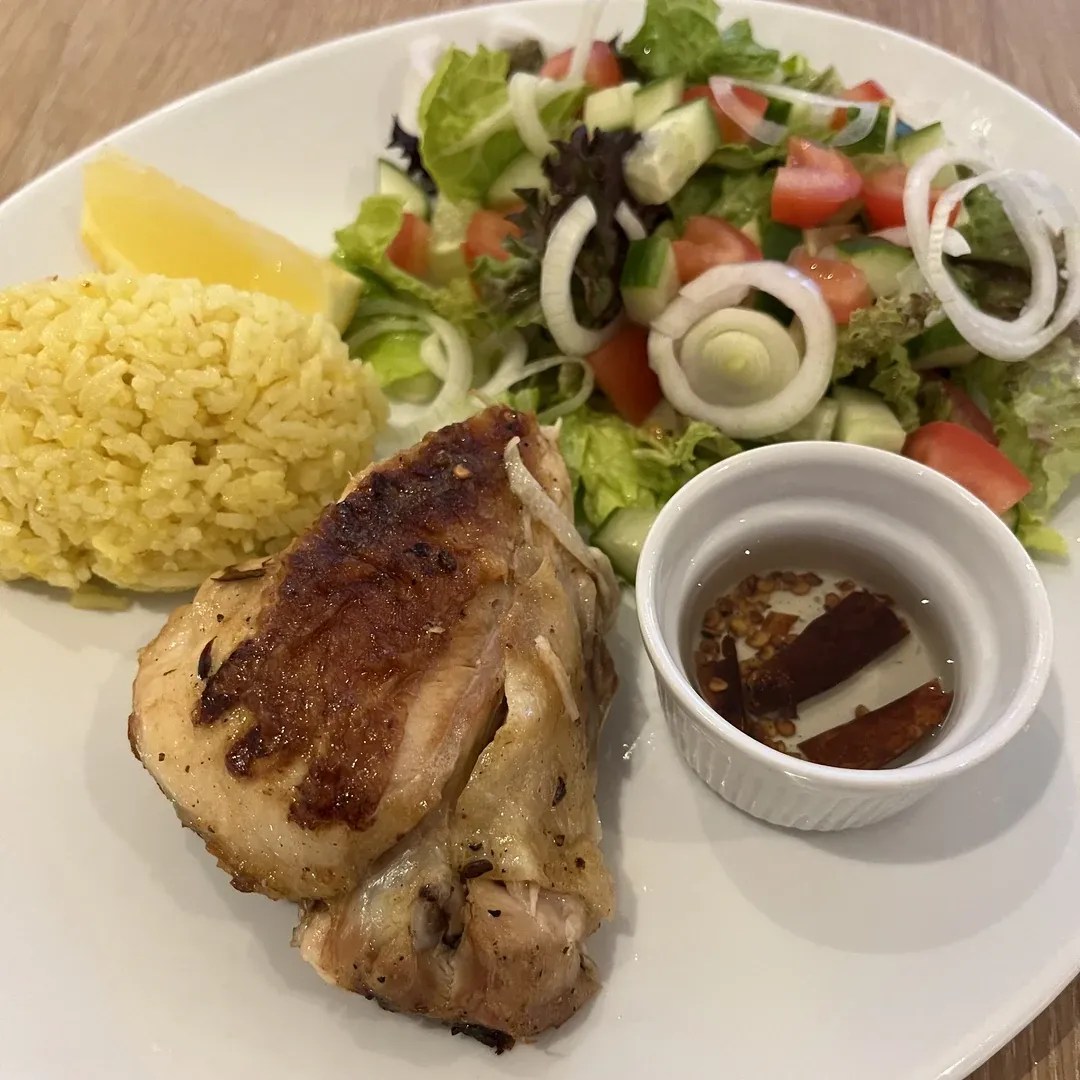

Plate with roasted chicken thigh, yellow rice, mixed greens salad with onions and tomatoes, and a small bowl of dipping sauce with chili flakes, plus lemon wedge

Contents

What does piri-piri contribute to Portuguese food?

Piri-piri is associated with chilli, heat, marinades and grilled or roasted character. In Portuguese food it can energise chicken in particular, but needs balance from acidity, salt, richness and freshness. Chilli alone is rarely interesting. Chilli with direction can be excellent.

VisitPortugal describes Portuguese gastronomy as rich and varied, with the sea as a defining characteristic and a cuisine built on quality produce and traditions. Piri-piri reveals another part of that variety: heat, garlic, spice and freshness.

Garlic provides the foundation. Depending on how it is cooked, it can be sharp, sweet, roasted or deep. Citrus brings lift. Lime or lemon can make chilli and richness more appetising. Coriander brings freshness and a green edge. Saffron rice can add warmth, colour and gentle aromatic depth.

Piri-piri does not stand alone in Kromans’ menu. It comes with rice, salad and freshness. That matters because hot food without balance quickly becomes a competition — and food ought to be more than a test of forehead perspiration.


Pay particular attention to…

  • Piri-piri should provide heat and energy, not strength alone.
  • Garlic gives foundation and depth.
  • Citrus lifts richness and chilli.
  • Coriander and salad provide freshness.
  • Rice and accompaniments should bring the dish together, not merely fill the plate.

How to build heat with balance

Piri-piri chicken should taste of chilli, garlic and heat while still tasting of chicken. The marinade needs to penetrate and give character, but an aggressive marinade throws the dish out of balance. Salt, acidity and richness help the chilli land.

Garlic and saffron rice has an important role. Rice may be neutral, but should not be irrelevant. Garlic adds flavour, saffron contributes colour and aromatic warmth, and the rice’s mildness makes the dish more comfortable to eat. It keeps the piri-piri in its proper place.

Scampi with coriander and lime mayonnaise shows the same balance in another form. Scampi have sweetness and marine flavour. Mayonnaise adds richness, lime adds acidity and coriander brings freshness. With the right lime and salt the dish feels fresh. Without them it becomes rich and flat, and somebody needs to reach for the tasting spoon again.

Kromans’ Portuguese piri-piri theme works because participants can taste the differences directly: before and after lime, before and after salt, before and after a little more chilli. It is a good way to learn that heat is not an end in itself. Flavour is the goal.

Cooking socially also makes heat easier to judge. When several people taste, you discover more quickly whether the chilli is playing guitar or simply making noise. And yes, a little pace is welcome. Portuguese cooking responds well when the room comes alive.


In short: 5 things you need to know…

  • Piri-piri brings heat but needs balance from acidity and salt.
  • Garlic provides depth and foundation.
  • Citrus makes hot and rich elements feel fresher.
  • Coriander, salad and rice provide contrast.
  • Good chilli is about balance, not defeating the table.

Read more about Portuguese cooking

Explore all our Portuguese food experiences at Kromans Cooking School in Copenhagen.

An article about the Portuguese flavour logic behind combining cod, mussels, sea bass, pork and herbs.

An article about Portuguese sweet classics, pastry traditions and why dessert is more than sugar at the end.

FAQs

What is piri-piri?

Piri-piri is a chilli-led tradition often used in marinades and chicken dishes. It is about heat, but also garlic, acidity, salt and balance.

Why is citrus important with chilli?

Citrus lifts chilli and richness. Lime or lemon can make a hot dish feel fresher and more appetising.

What does garlic do in Portuguese food?

Garlic adds depth, foundation and aroma. It can taste sharp or sweet depending on how it is cooked.

How do you prevent piri-piri becoming too fierce?

Taste and adjust with salt, acidity, richness and freshness. The chilli should provide energy without overwhelming the central ingredient.

Would you like to experience Portuguese cooking together?

See our Portuguese cooking classes, or contact us and we will help you find the right class and menu.