Octopus, prawns and flavours of the sea in Spanish cooking


Flavours of the sea require timing, freshness and courage at the pan

Fish and shellfish play an important part in many Spanish cuisines. This article explains how octopus, prawns, tomato, flambéing and seasoning create flavours of the sea with freshness and precision. The maritime tradition is not only about the ingredient, but about preserving sweetness, succulence and clean marine flavour while balancing sauce, spice and heat.

At Kromans in Copenhagen, the subject matters because the Spanish menu uses butterfly prawns in spiced chocolate sauce and flambéed octopus in tomato sauce. It requires technique and tasting — not merely a loud ‘olé’. The difference becomes clear as participants assess cooking, acidity and sauce so the shellfish still stands clearly in the finished dish.
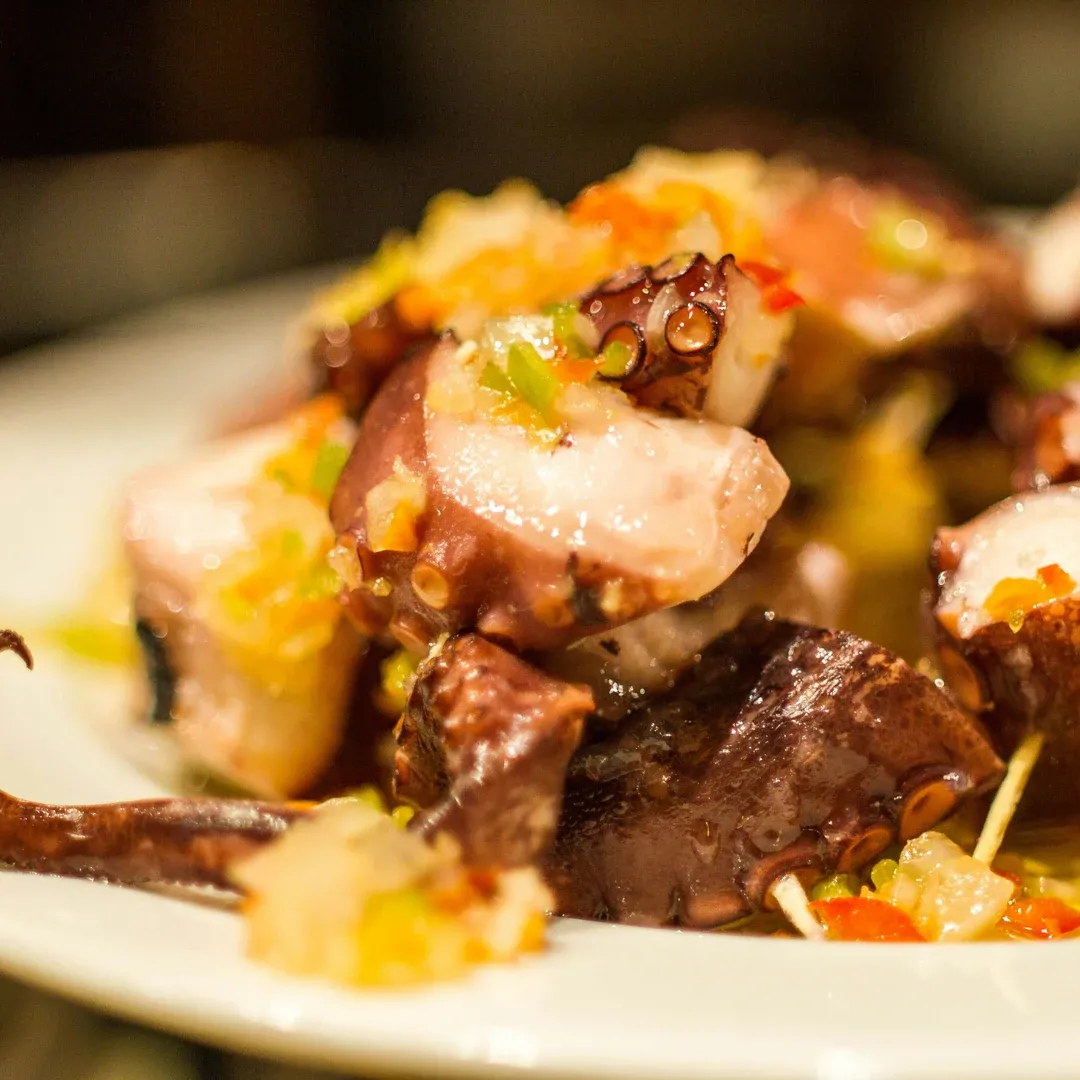

Sliced octopus with chopped peppers and herbs on a plate, glistening with sauce.

Contents

Why the sea matters in Spanish food

Spain has long coastlines and many regional food traditions in which fish and shellfish play different roles. Spain.info presents Spanish gastronomy through local produce, ingredients and ways of preparing them, and seafood is a natural part of many regional cuisines.

Octopus needs particular attention. It can be wonderful with tomato, paprika, herbs and heat, but it can also become tough if the cooking goes wrong. It needs the right combination of heat and time — no more and no less. Octopus is not an ingredient to which you simply give ‘a little extra to be safe’.

Prawns behave differently. They offer sweetness and marine flavour, but are delicate. In the Kromans menu they meet spiced chocolate sauce, which requires balance. Chocolate can add depth and bitterness, but the prawns still need to be tasted. If the sauce takes over, the sea flavour is left standing in the corner looking mildly offended.

Tomato sauce can bring everything together. Tomato provides acidity, sweetness and succulence, and suits shellfish if it does not become too heavy. Flambéing can add aroma and drama, but flavour remains the point. Flames without balance are merely kitchen television.


Pay particular attention to…

  • Octopus needs correct timing to avoid becoming tough.
  • Prawns offer sweetness and marine flavour but do not tolerate overcooking.
  • Tomato sauce provides acidity and succulence for shellfish.
  • Chocolate sauce should add depth without overwhelming the prawns.
  • Flambéing is only interesting when it improves the flavour.

How to keep flavours of the sea clear

Marine flavours are clearest when the ingredient is not overwhelmed, especially in dishes with sauce. Tomato, chocolate, spices and flambéing can all add character, but need a clear purpose.

Octopus in tomato sauce needs both tenderness and freshness. The tomato may be distinct, but should not smother the octopus. Acidity, salt and warmth need to sit correctly so the dish feels alive. If it becomes too sweet or heavy, the flavour of the sea loses its place.

Prawns with spiced chocolate sauce are a bolder move. The balance between sweetness, bitterness, spice and marine flavour is crucial. It can be a strong dish when the sauce supports the prawns, and too much when the sauce is allowed to become the sole leading character.

Spanish seafood works well for group cooking at Kromans because the ingredients demand attention. You can see and feel when prawns are ready, taste whether tomato sauce needs acidity and discuss whether the chocolate adds depth or is about to take the entire microphone.

Good music gives good energy, which helps in a kitchen with flames, tomato and flavours of the sea. The technique still needs to be right. Fish and shellfish are friendly enough — until you stop listening to them.


In short: 5 things you need to know…

  • Spanish food has many regional traditions using fish and shellfish.
  • Octopus requires good timing and the correct heat.
  • Prawns need gentle handling to retain sweetness and marine flavour.
  • Tomato can provide acidity, sweetness and succulence.
  • Sauce and flambéing should lift the ingredient rather than overwhelm it.

Read more about Spanish cooking

Explore the Spanish menus and the opportunities to cook together at Kromans in Copenhagen.

An article about regional differences, the sea, meat, olive oil, tapas, slow-cooked dishes, potatoes, cheese and dessert traditions in Spanish food.

An article about deep flavours, blue cheese, slow cooking, potatoes, warmth and balance in richer Spanish dishes.

FAQs

Why are fish and shellfish important in Spanish food?

Fish and shellfish play an important role in many Spanish regions, especially along the coasts.

They bring freshness, marine flavour and a need for precision in the kitchen.

Why can octopus become tough?

Octopus becomes tough when the cooking is wrong.

It needs the correct combination of heat and time.

How do prawns work with chocolate sauce?

Prawns can work with a spiced chocolate sauce when it adds depth without overwhelming the flavour of the sea.

The balance between sweetness, bitterness, spice and salt is important.

What does tomato contribute to Spanish shellfish dishes?

Tomato provides acidity, sweetness and succulence.

It can bring the dish together so shellfish, heat and spice work more coherently.

Would you like to experience Spanish cooking together?

See our Spanish cooking classes, or contact us and we will help you find the right class and menu.