Cabrales, bravas and oxtail: Spain’s rustic side


Powerful flavours need managing, not merely releasing

Cabrales, patatas bravas and oxtail show the rustic side of Spanish food. This article explains how cheese, slow-cooked dishes, potatoes, heat, richness and sauce create depth without making the dish heavy. The combination needs precision, because salt, crispness and power require a counterpoint from acidity, freshness and seasoning that keeps the dish alive.

At Kromans in Copenhagen, the subject matters because the Spanish menu uses oxtail, Cabrales and patatas bravas — three elements with plenty of personality and very little interest in being discreet. Participants can taste directly how sauce, cheese and potatoes need adjusting so each remains clear without taking over the entire plate.
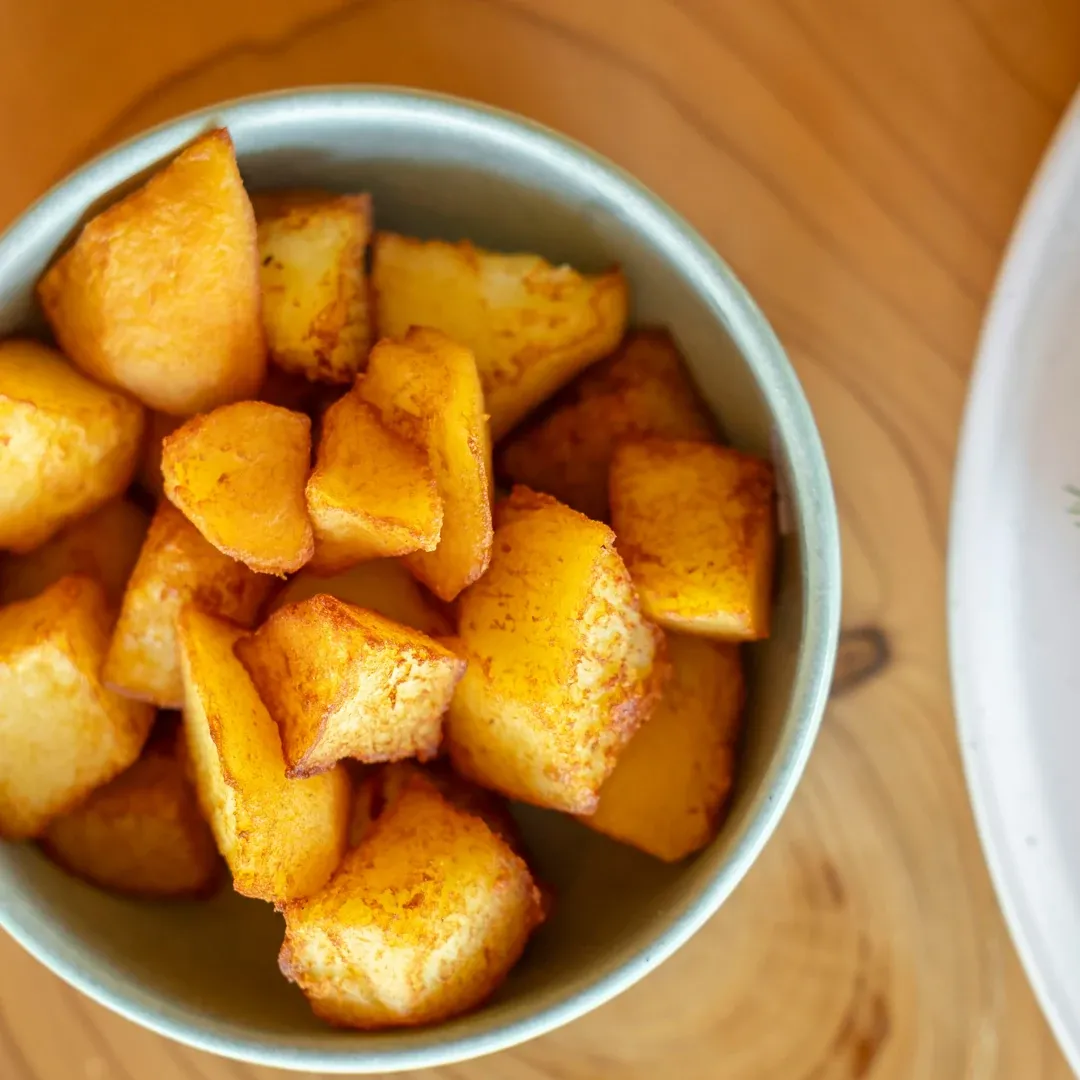
Crispy roasted potato cubes in a small bowl on a wooden table, golden and seasoned.

Contents

Why Cabrales, bravas and oxtail belong together

Cabrales is a powerful blue cheese from Asturias. Spain.info highlights it as one of the region’s most internationally known cheeses. It needs managing. Cabrales can add depth, salt, sharpness and creamy intensity, but can also take over if allowed to run around without adult supervision.

Oxtail brings another kind of depth. It needs simmering, time and sauce. This is not a quick dish. Connective tissue, bones, meat and heat need to work together until it becomes tender and full-bodied. This is the taste of patience — and patience tastes better than stress, especially in a pan.

Patatas bravas add crispness, warmth and a potato foundation. They matter because powerful dishes need texture. If everything is sauce, cheese and tender meat, the dish soon feels heavy. The potatoes provide bite and somewhere to land.

Together, the three elements work with richness, salt, warmth, depth and crispness. It is rustic, certainly, but rustic does not mean clumsy. It means the dish needs backbone and balance.


Pay particular attention to…

  • Cabrales provides salt, sharpness and intense cheesy depth.
  • Oxtail requires time, simmering and sauce.
  • Patatas bravas provide crispness and warmth.
  • Powerful flavours need balancing with acidity, texture and freshness.
  • Rustic food still needs precision.

How do you keep powerful flavours from becoming heavy?

The greatest risk with rustic dishes is depth that becomes heavy. Richness, cheese, meat and sauce can be wonderful, but need a counterpoint. Acidity, crisp potatoes, tomato, paprika, herbs or freshness may be what keeps the dish alive.

Oxtail should taste of meat, sauce and time, but the sauce should not be dark without direction. Salt, acidity and depth need balance. Cabrales should add character rather than drown the oxtail, while bravas should provide the pleasure and warmth of potatoes rather than mere bulk.

This works well for cooking together at Kromans because several people can handle separate parts: simmering, sauce, potatoes, cheese and seasoning. When they meet on the plate, you can taste whether the whole works. That is where the professional craft becomes practical.

‘A little little, a little delicious and a little smoky…’ is a useful thought here. Not because everything should be smoky, but because small, clear touches can make a substantial dish more lively. It is about adding layers without burying the food.

Rustic Spanish food should feel warm, generous and powerful while still making you want the next mouthful. When the balance is right, Cabrales, bravas and oxtail are not heavy. They become a dish with depth, bite and a little olé in its boots.


In short: 5 things you need to know…

  • Cabrales is a powerful Asturian blue cheese.
  • Oxtail needs simmering, time and a sauce with depth.
  • Patatas bravas provide crispness, heat and structure.
  • Acidity and freshness matter in powerful Spanish dishes.
  • Rustic food is best when strength and balance work together.

Read more about Spanish cooking

Explore the Spanish menus and the opportunities to cook together at Kromans in Copenhagen.

An article about regional differences, the sea, meat, olive oil, tapas, slow-cooked dishes, potatoes, cheese and dessert traditions in Spanish food.

An article about Spain’s maritime traditions, where fish and shellfish require timing, freshness and careful seasoning.

FAQs

What is Cabrales?

Cabrales is a powerful blue cheese from Asturias in northern Spain.

It provides salt, sharpness and depth, but needs using with balance.

Why does oxtail suit rustic Spanish food?

Oxtail develops depth, tenderness and strength through long simmering.

It goes well with sauce, cheese, potatoes and warm flavours.

What do patatas bravas contribute?

Patatas bravas provide crispness, heat and a potato foundation.

They help more powerful elements feel balanced.

How do you prevent the dish becoming heavy?

Balance richness and depth with acidity, freshness, texture and precise seasoning.

Powerful flavours need managing rather than simply stacking up.

Would you like to experience Spanish cooking together?

See our Spanish cooking classes, or contact us and we will help you find the right class and menu.