Upstairs and Downstairs: two food stories in the Downton Abbey universe


When the dining room and the kitchen tell different stories

Upstairs and Downstairs are not simply two floors in Downton Abbey. They are two different ways of understanding food, work and atmosphere. This article explains why the family dining table and the more grounded working kitchen call for different ingredients, dishes and rhythms.

At Kromans in Copenhagen, the contrast becomes practical through two menus: one with oysters, soup, fillet mignon and blancmange, and another with pie, chicken, Yorkshire pudding and pudding. British food with two temperaments – fortunately with room for both.
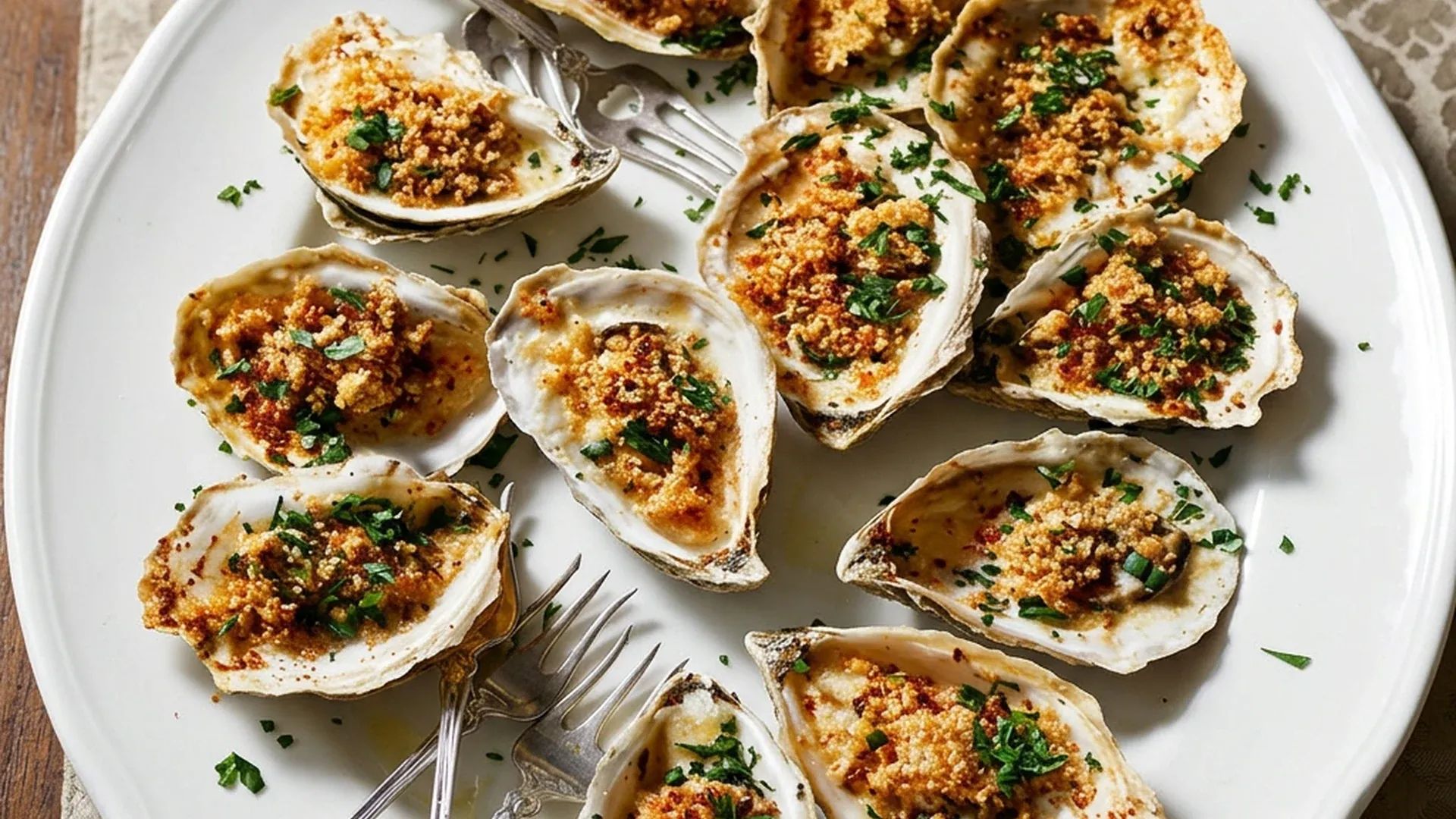
Baked oysters on shells with golden breadcrumb topping and chopped parsley on a white plate, close-up.

Contents

Why Downton Abbey has two kitchens

Upstairs is about the visible table. Service forms part of the experience, and the dishes need elegance, structure and a small measure of occasion. Gratinated oysters with white-wine cream, cayenne and Parmesan open with salt, richness and warmth. A creamy soup with cucumber and watercress is lighter, while fillet mignon with artichoke, green beans, pommes Château and truffle demi-glace brings the weight of a classic dinner.

Downstairs begins elsewhere: with the work, the pan and the warm dish that needs to satisfy. Steak and no-oyster pie, stuffed chicken, Yorkshire pudding and pudding with vanilla sauce have no less character. They simply work more directly with crispness, juices, pastry and substance.


Pay particular attention to…

  • Upstairs belongs to the elegant dining table.
  • Downstairs belongs to the warmth and craft of the kitchen.
  • Oysters, fillet mignon and truffle suggest Upstairs.
  • Pie and Yorkshire pudding suggest Downstairs.
  • Both directions are shared cooking and shared dinner.

Two rhythms in one kitchen

The difference between Upstairs and Downstairs is not a matter of refined versus simple. Both directions require craft. Upstairs asks for precision in sauce, cooking and plating. Downstairs asks for control of pastry, heat, meat and timing, so that pie remains moist and Yorkshire pudding does not become a tired shadow of itself.

At Kromans, the contrast works because it gives a group something to play with. Some choose the elegant dinner; others prefer the more robust kitchen energy. Both directions meet at the table. That is the best point of the Downton Abbey theme: food becomes more alive when it has both structure and a little human bustle around it.


In short: 5 things you need to know…

  • The menus use different ingredients and tempos.
  • Sauce and presentation matter Upstairs.
  • Pastry, heat and substance matter Downstairs.
  • The contrast gives groups a clear frame for the evening.
  • No one needs to know the series to understand the food.

Read more about Downton Abbey food

Explore all Downton Abbey food experiences at Kromans Cooking School in Copenhagen.

An article about formal dishes in which sauce, service and precision carry the atmosphere.

An article about the rustic side of British food culture, where warmth, substance and kitchen craft matter more than fine appearances.

FAQs

Are Upstairs and Downstairs two different classes?

Yes. The two directions have different menus and culinary temperaments.

Both are shared food experiences at Kromans.

What defines the Upstairs menu?

It is more elegant and formal, with oysters, soup, fillet mignon and dessert.

Sauce, precision and presentation play important roles.

What defines the Downstairs menu?

It is more rustic and kitchen-led, with pie, chicken, Yorkshire pudding and pudding.

Warmth, substance and craft are its defining threads.

Would you like to experience the Downton Abbey kitchen together?

See our Downton Abbey cooking classes, or contact us and we will help you find the right class and menu.