Tostadas, quesadillas and the role of the tortilla in Mexican food


When corn becomes plate, structure and crunch

The tortilla is one of the most important building blocks in Mexican food. This article explains how tostadas and quesadillas use corn, crunch, fillings and layers to create dishes with both structure and flavour. It also shows why the temperature, toasting and texture of the tortilla influence how every other element in the dish is experienced.

At Kromans in Copenhagen, the tortilla thread matters because Mexican cooking is often about building dishes: something crisp, something creamy, something fresh, something hot and something to bind it all together. When the layers are measured well, the tortilla retains its role and gives every mouthful direction, contrast and coherence on the plate.
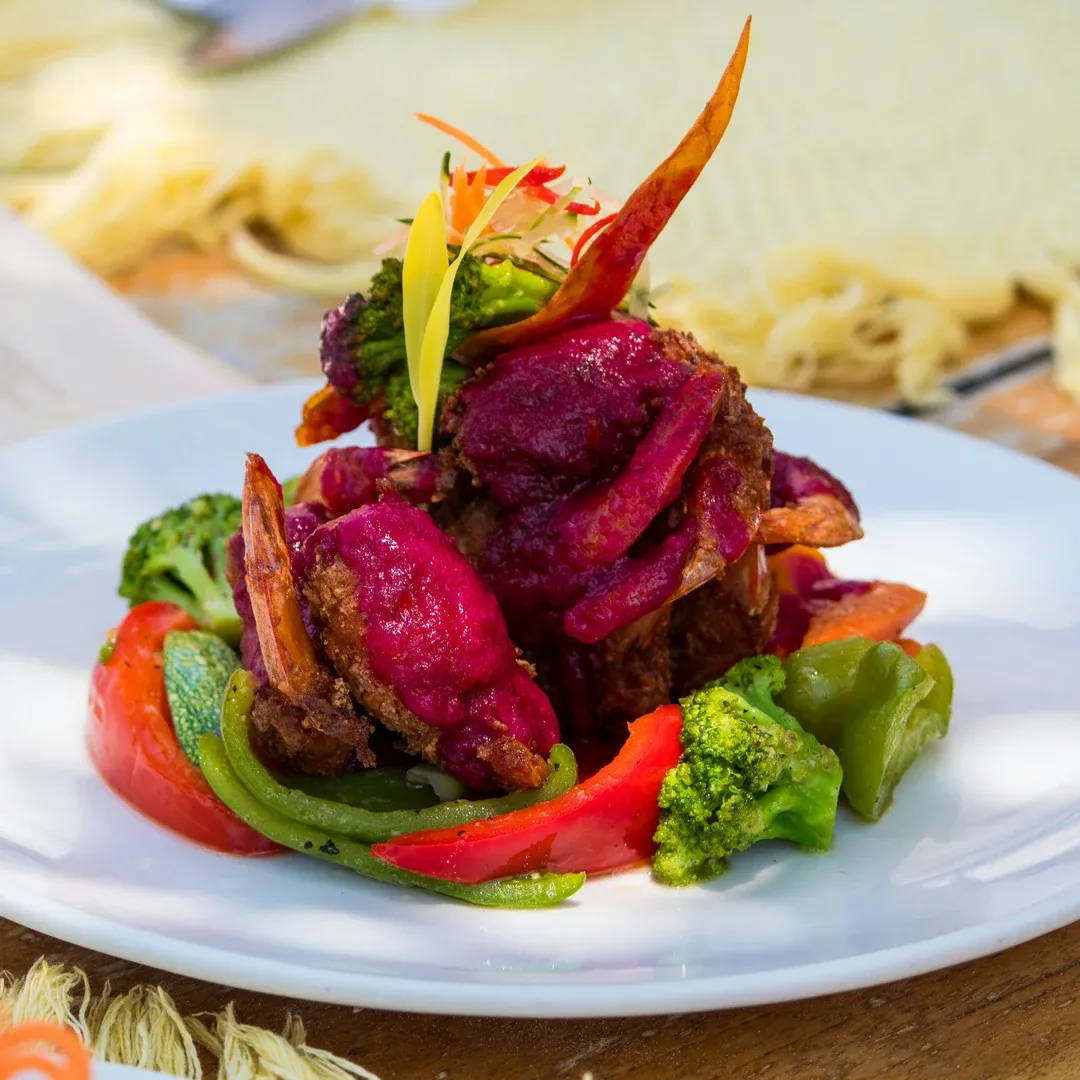

Gourmet plate: crispy fried meat with purple beet glaze, surrounded by broccoli, bell peppers, and snap peas.

Contents

The tortilla is not merely something beneath the filling

In Mexican food, the tortilla is rarely a passive base. It is form, flavour, texture and edible tool all at once. This is why tostadas and quesadillas are not simply ‘something with a filling’. They are different ways of using corn, heat and texture.

Tostadas are crisp. The fried or toasted tortilla provides a snap that can carry avocado, fresh cheese, salsa, ceviche or beans. The crunch matters because it contrasts with creamy and juicy elements. Without it, the dish can easily become soft upon soft. And soft upon soft is rarely a party, unless you are talking about a sofa.

Quesadillas are more melting and cohesive. Here, the tortilla is a warm frame around the filling, richness and flavour. In Kromans’ Mexican theme, the quesadilla meets toasted corn, potatoes, prawn ceviche and melon escabeche. It shows how a tortilla can carry warmth, freshness and acidity at once.

UNESCO describes traditional Mexican cuisine as a living cultural heritage in which ingredients, techniques and social ways of eating are closely connected. The tortilla fits this understanding precisely because it is ingredient, technique and way of eating in one.

The tortilla’s strength is that it can be simple without being insignificant. It can provide the gentle sweetness of corn, a toasted aroma, crunch, warmth and a framework that makes the rest of the dish easier to eat.


Pay particular attention to…

  • Tostadas should provide crunch and contrast.
  • Quesadillas are about warmth, filling and balance.
  • The tortilla is structure, not merely a base.
  • Acidity and salsa matter when the filling is rich or creamy.
  • Too much filling can drown out the role of the tortilla.

Layer by layer: how tortilla dishes find balance

Tortilla dishes work when you think in layers. First comes the structure: a soft or crisp tortilla. Then the filling: beans, cheese, vegetables, fish, shellfish or meat. Next comes freshness: salsa, ceviche, lime, curtidos or herbs. Finally, heat and edge: chilli, spices or toasted elements.

Tostadas are useful because they reveal imbalance quickly. If the filling is too wet, they lose their crunch. If the salsa lacks acidity, the dish becomes flat. If the chilli takes over, all you can taste is bravado rather than food. A good tostada should crunch while remaining juicy.

Quesadillas require a different sort of attention. Warmth and filling are crucial. The tortilla needs to be warm and lightly toasted, but not dry. The filling should be cohesive, but not heavy. If ceviche or acidic elements are included, they should act as a counterpoint rather than a puddle in the middle.

At Kromans, tortilla dishes work well for cooking together because several people can work on different layers at the same time. Someone looks after the filling, someone seasons the salsa, and someone watches the crunch. Suddenly the whole team is discussing whether it needs lime. That is a good sign. It means people have begun to taste properly.

The tortilla’s role is therefore both practical and gastronomic. It brings the food together, but also teaches participants about texture, balance and timing. And it does so without delivering a lecture. Very considerate of it.


In short: 5 things you need to know…

  • The tortilla is a central structure in Mexican food.
  • Tostadas provide crunch and work well with creamy, fresh fillings.
  • Quesadillas need warmth, filling and an acidic counterpoint.
  • Salsa, lime and curtidos keep tortilla dishes fresh.
  • Balance emerges in layers: base, filling, freshness, chilli and texture.

Read more about Mexican food

Explore all the Mexican food experiences at Kromans Cooking School in Copenhagen.

An article about the ingredients that underpin much of Mexican cooking and how they create body, heat, texture and balance.

An article about the interplay between depth, marinades, chilli, freshness, lime, herbs and crisp elements.

FAQs

What is the difference between tostadas and quesadillas?

Tostadas are crisp tortillas with a topping, while quesadillas are usually warm tortillas with the filling held inside.

Both use the tortilla as structure, but with different textures and ways of eating.

Why is the tortilla so important in Mexican food?

The tortilla provides form, structure and flavour.

It can carry a filling, create crunch or bring the dish together so that its flavours are easier to eat as one.

What makes a good tostada?

A good tostada balances crunch, freshness and filling.

It should not become wet and heavy, but retain bite, acidity and clear flavour.

How do you season a tortilla dish?

Taste for salt, acidity, chilli, richness and texture.

Lime, salsa, curtidos and herbs can often make the dish fresher and more lively.

Would you like to experience Mexican food together?

See our Mexican cooking classes, or contact us and we will help you find the right class and menu.