Adobo, ceviche and salsa: building balance in Mexican dishes


Depth, freshness and a little kick of chilli

Adobo, ceviche and salsa show three different routes to balance in Mexican food. Adobo brings depth, ceviche brings freshness, and salsa often pulls the dish together with acidity, chilli, herbs and texture. Each works in a different direction, but together they can create a dish with weight, energy and clearly defined contrasts.

At Kromans in Copenhagen, the subject matters because Mexican cooking is not simply about hot food. It is about tasting as you go so that heat, richness, acidity, sweetness and crunch meet in the right way. The interplay, not the amount of chilli, decides whether a dish finds balance and direction.

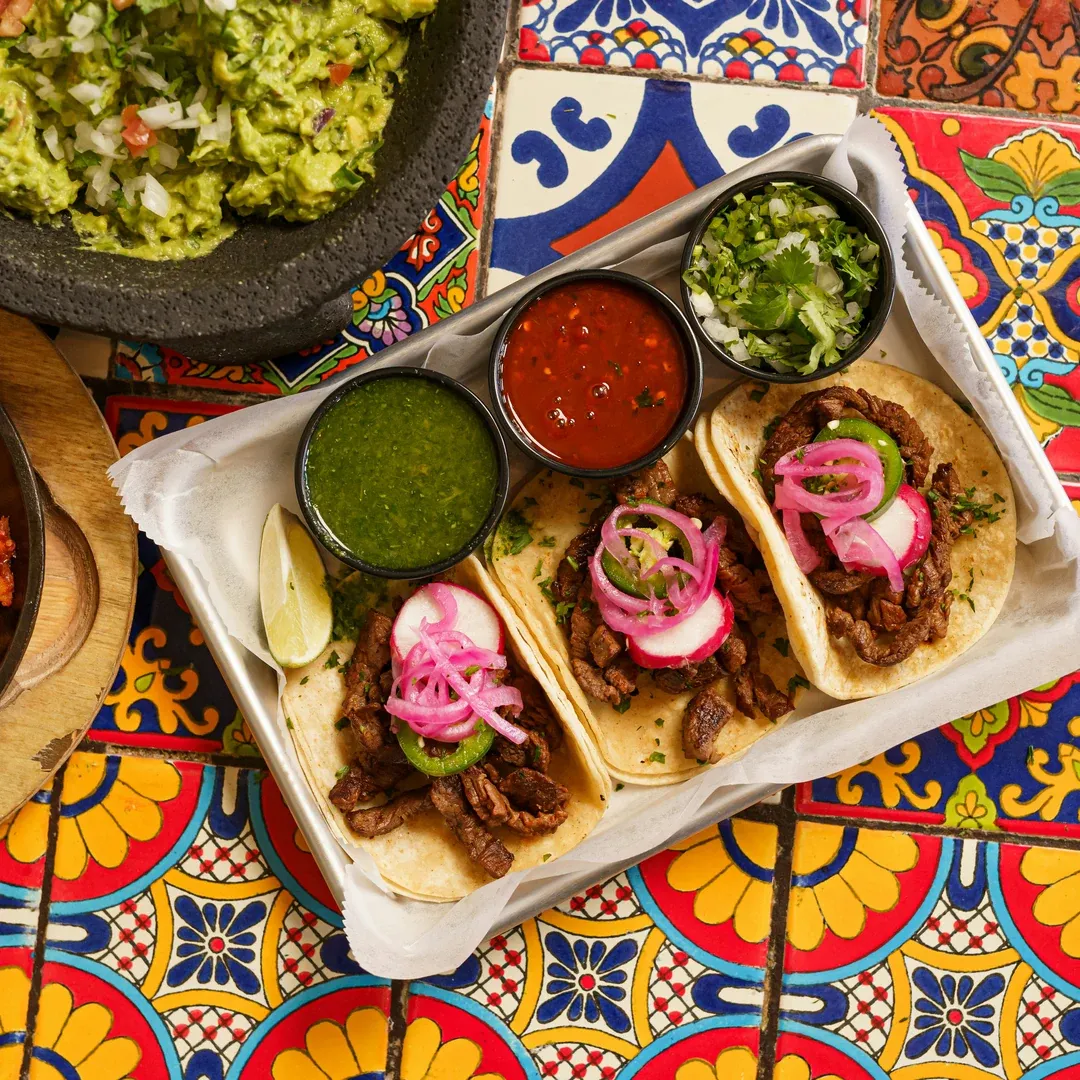
Three steak tacos topped with pickled onions, radish slices, and cilantro on warm tortillas, with green and red salsas nearby and guacamole on the side.

Contents

Three flavour techniques, each with its own role

Adobo, ceviche and salsa can easily be placed in the same ‘Mexican flavour’ basket, but they do very different things in a dish. Understanding the difference makes it easier to cook Mexican food with direction.

Adobo is the dark, deep thread. It typically involves chilli, spices, acidity, herbs and time. In Kromans’ Mexican world, the adobo thread is used for braised pork belly, where the aim is not only tenderness but flavour with backbone. Braising should do more than soften the meat. It should give it depth, warmth and a sauce or marinade with something to say.

Ceviche is the fresh thread. Here, acidity is not merely a seasoning but a technical tool. Fish or shellfish meets citrus, salt, chilli and often fruit or vegetables, giving the dish poise and freshness. The Mexican theme features prawn ceviche with melon, red onion and sugar snap peas, illustrating the point precisely: acidity, sweetness, crunch and the taste of the sea in the same mouthful.

Salsa is the connection. Pico de gallo, tomato salsa and other fresh salsas can provide acidity, juiciness, chilli, herbs and texture. They often make a dish easier to eat and easier to understand. Salsa is not decoration. It is the friend at the table who gets everyone else talking.

UNESCO describes traditional Mexican cuisine as an integrated cultural system of techniques, ingredients and shared meals. That point matters here: balance does not arise from a single ingredient, but from the interplay between cultivation, preparation, technique and serving.


Pay particular attention to…

  • Adobo should provide depth, not merely spiced darkness.
  • Ceviche requires balance between acidity, salt, chilli and the main ingredient.
  • Salsa should lift the dish with freshness and structure.
  • Crunch from tostadas or potato baskets makes deep flavours feel lighter.
  • Too much chilli can hide the balance the dish was meant to have.

How balance is built in practice

In a Mexican dish, balance is often a meeting between something deep and something fresh. Adobo-braised pork belly needs a counterpoint because richness and tenderness can quickly become heavy. Curtidos, salsa, lime or vegetables provide the necessary freshness.

Ceviche moves in the opposite direction. It begins fresh but still needs body. Prawn ceviche with melon and vegetables can be bright and light, yet it still needs salt, sweetness and texture. Otherwise it is simply sourness dressed in its best clothes.

Salsa often sits between the two. Pico de gallo with tomato, onion, chilli and herbs can bring richness, crunch and heat together. It is no accident that salsa works so well with tortillas, beans, avocado and meat. It provides moisture, acidity and direction.

At Kromans, this sort of balance is precisely what makes Mexican food enjoyable to prepare together. One person tastes the adobo. Another adjusts the salsa. A third asks whether the chilli has become a little too quick with its remarks. It is kitchen life at its best: professional craft without a lecture, but with a spoon at the ready.

Good flavour emerges when depth and freshness are allowed to pull against one another. Not when everything becomes hotter. Not when everything becomes sweeter. It happens when a dish has enough heat to live, enough acidity to wake up and enough richness to land.


In short: 5 things you need to know…

  • Adobo brings depth, warmth and a spiced foundation.
  • Ceviche brings freshness, acidity and the taste of the sea.
  • Salsa often binds a dish together with juice, chilli and herbs.
  • Mexican balance involves heat, acidity, richness and texture.
  • Tasting as you go matters more than following a recipe slavishly.

Read more about Mexican food

Explore all the Mexican food experiences at Kromans Cooking School in Copenhagen.

An article about the ingredients that underpin much of Mexican cooking and how they create body, heat, texture and balance.

An article about corn, tortillas and crunch, and how Mexican dishes are often built layer by layer.

FAQs

What is adobo in Mexican food?

Adobo is a flavour direction built from chilli, spices, acidity and depth.

It is often used to marinate or cook meat, giving the dish warmth and character.

What does ceviche bring to a Mexican menu?

Ceviche provides freshness, acidity and lightness.

It can counter deeper, richer dishes, particularly when balanced with salt, chilli and sweetness.

Is salsa merely an accompaniment?

No. Salsa can be crucial to the balance of a dish.

It brings acidity, juiciness, chilli, herbs and texture, often pulling the dish together.

How do you stop Mexican food becoming simply hot?

You taste for balance.

Chilli needs to work with acidity, salt, richness, sweetness and crunch so that the dish has direction.

Would you like to experience Mexican food together?

See our Mexican cooking classes, or contact us and we will help you find the right class and menu.