Corn, beans and chilli: the foundations of Mexican food


The three building blocks that give Mexican food its foundations

Corn, beans and chilli are among the most important ingredients in Mexican food. This article explains how they create body, heat, structure and flavour in dishes such as quesadillas, tostadas and bean-based servings. Together they form a robust flavour base in which sweetness, earthiness and warmth can be adjusted around the other ingredients in the dish.

At Kromans in Copenhagen, the three ingredients matter because Mexican cooking is about tasting as you go: the tortilla needs to carry, the beans need to provide a foundation, and the chilli needs to lift the dish — not shout everyone else out of the kitchen. That calls for attention to texture, toasting, salt, acidity and the actual strength of the chilli.
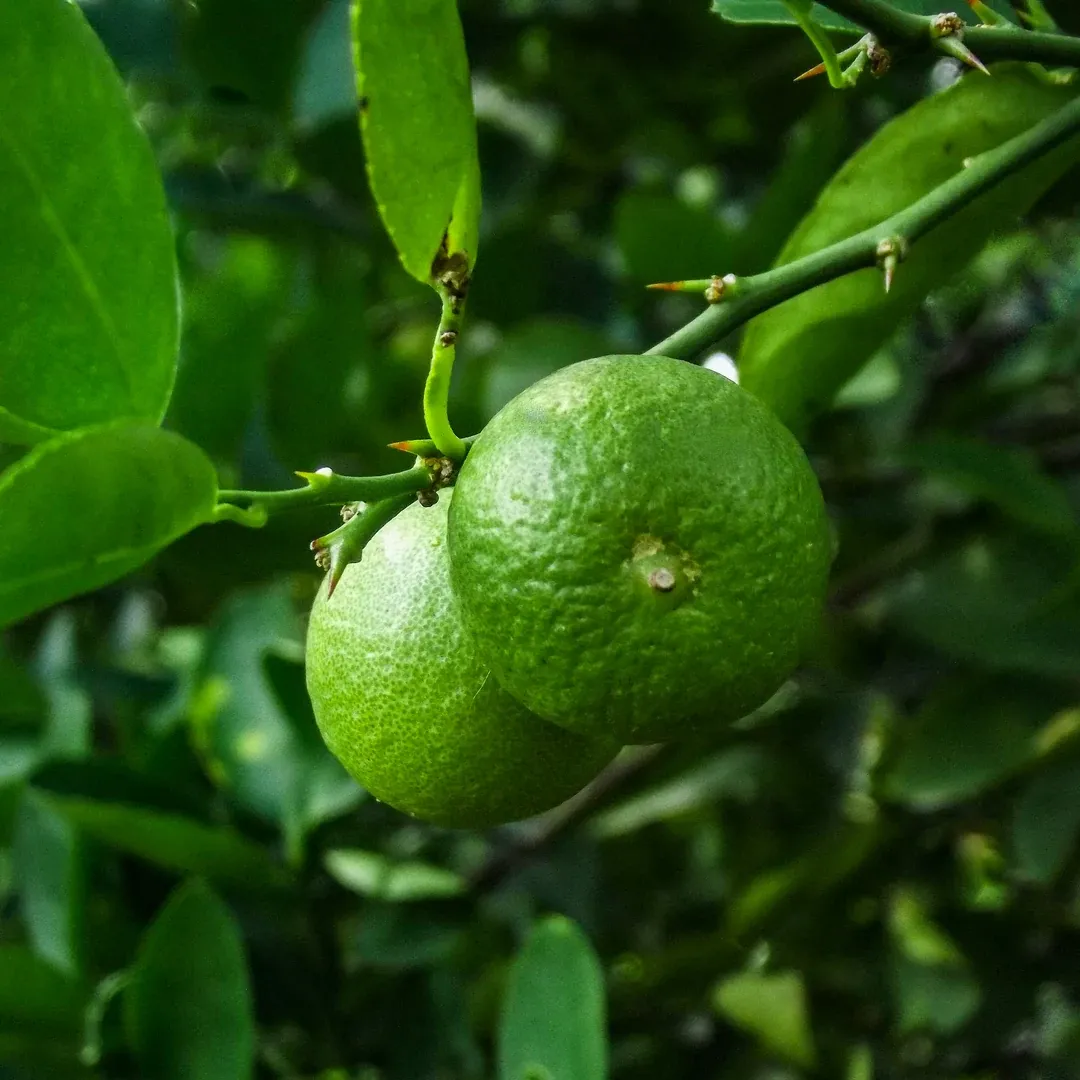

Two unripe green limes hanging from a thorny lime branch among glossy leaves.

Contents

Why corn, beans and chilli underpin so much Mexican cooking

Mexican food is often reduced to hot food, tacos and a lime in your hand. That is rather like calling Danish food ‘something with potatoes’ and going home. Corn, beans and chilli are far more than ingredients. They form the basic structure of large parts of Mexican cooking.

UNESCO describes traditional Mexican cuisine as a living cultural heritage in which cultivation, techniques, cooking and community are connected. Corn, beans and chilli are central to that food culture, not only as ingredients but as a way of building meals, flavours and everyday cooking.

Corn provides form and structure. When corn becomes a tortilla, tostada or quesadilla, it is not merely an accompaniment but the platform for the dish itself. It can be soft, crisp, toasted or filled, carrying salsa, vegetables, fish, meat, cheese and beans.

Beans provide body and calm. Black beans can give a dish depth, satisfaction and an almost creamy foundation that welcomes chilli, acidity and richness. They are not simply ‘the brown bit in the corner’. Made properly, they give the dish weight without making it heavy.

Chilli provides heat, but also aroma, fruitiness, bitterness and depth. The biggest mistake is to treat chilli like a volume knob that simply needs turning up. In Mexican food, chilli is more like a conductor: it should direct the energy and movement, not perform a solo all evening.


Pay particular attention to…

  • Corn is not merely filler; the tortilla is often the structure of the dish itself.
  • Beans provide substance, depth and a counterpoint to acidity and chilli.
  • Chilli is not only about strength, but also aroma and balance.
  • The crunch of tostadas or fried tortillas can make a dish more lively.
  • Acidity from lime, salsa or curtidos helps balance richness and heat.

How the foundational flavours come alive in Kromans’ Mexican kitchen

The threads in Kromans’ Mexican theme are clear: quesadillas, tostadas, black beans, chilli, ceviche, pico de gallo and curtidos. Each ingredient is not meant to stand alone looking authentic. The point is that they should work together.

The quesadilla shows the role of corn and the tortilla as a base. It can carry richness, filling and freshness, but needs balance so it does not simply become soft and comforting in a slightly tired way. Tostadas move in the opposite direction: crunch first. The small fried tortillas provide bite and contrast, giving avocado, fresh cheese and salsa something to play against.

Black beans provide a darker foundation. They can carry chilli and acidity, but they need seasoning. Too little salt, acidity or heat and they become flat. Too much chilli and they stop being beans with character and turn into a small bonfire with a bean backdrop.

Chilli’s role is to bring heat and direction. It needs to sit alongside acidity, richness and sweetness. This is precisely the sort of thing best learnt in a kitchen rather than from reading a list. You taste, adjust and discover that a small spoonful of lime or a little extra salt can do more for the dish than a whole handful of bravado.

At Kromans, the social side is part of the learning. When people gather around salsa, beans, tortillas and chilli, they quickly become bolder with flavour. They ask, taste and adjust. That is where Mexican food begins to find its pulse — not because it is loud, but because it is balanced.


In short: 5 things you need to know…

  • Corn gives Mexican food structure, particularly through tortillas.
  • Beans create body, depth and satisfaction.
  • Chilli should balance the dish, not merely make it hot.
  • Acidity from lime, salsa and curtidos is essential for freshness.
  • Mexican food works best when heat, richness, acidity, salt and crunch are tasted and adjusted together.

Read more about Mexican food

Explore all the Mexican food experiences at Kromans Cooking School in Copenhagen.

An article about the interplay between depth, marinades, chilli, freshness, lime, herbs and crisp elements.

An article about corn, tortillas and crunch, and how Mexican dishes are often built layer by layer.

FAQs

Why is corn important in Mexican food?

Corn is important because it often forms the basis of tortillas, tostadas and quesadillas.

It acts as ingredient, structure and flavour base on which other elements can be built.

What do beans add to Mexican dishes?

Beans bring body, satisfaction and depth to Mexican dishes.

They work particularly well with chilli, acidity, herbs and crisp elements.

Is Mexican chilli only about heat?

No. Chilli also provides aroma, fruitiness, bitterness and warmth.

A good Mexican dish uses chilli to create balance, not simply to make the food hot.

How do you learn to balance Mexican food?

The best way is to taste as you cook.

Salt, acidity, chilli, richness and crunch need to be adjusted together so that the dish has direction rather than only heat.

Would you like to experience Mexican food together?

See our Mexican cooking classes, or contact us and we will help you find the right class and menu.