Tomatoes, chickpeas and acidity: why green cooking needs seasoning


When acidity makes green cooking taste more vivid

Tomatoes, chickpeas and acidity can give vegetarian dishes better balance, body and freshness. This article explains how pulses, richness, tomatoes, olives and acidic elements make green cooking taste more distinct. Balance arises when gentle body meets fresh acidity, salt, herbs and carefully chosen richness.

At Kromans in Copenhagen, the subject matters because vegetarian food does not succeed simply by gathering good ingredients. It needs to be tasted, adjusted and given the small edge that brings a dish to life. Participants taste their way forward and learn how small adjustments can unite the ingredients, allowing both the juiciness of the tomatoes and the structure of the chickpeas to remain clear in the finished dish.
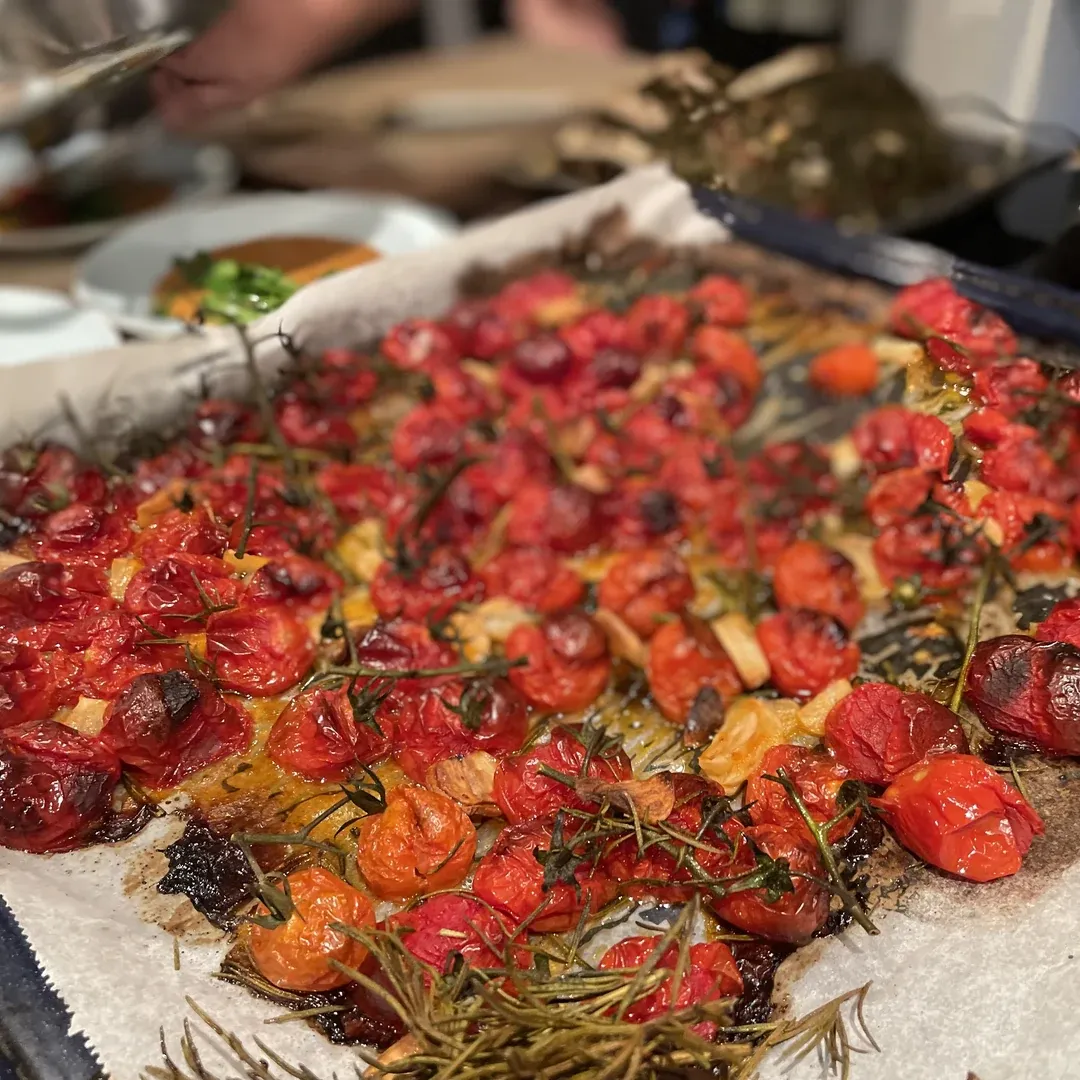

Roasted cherry and small tomatoes on parchment with rosemary sprigs and herbs, crispy edges, in a baking tray.

Contents

Why tomatoes, chickpeas and acidity work so well together

Tomatoes and chickpeas are a strong combination because they contribute different things. Tomatoes provide acidity, sweetness, juiciness and umami. Chickpeas bring body, structure and a gentle nutty foundation. Together they can create a green dish with both freshness and substance.

Acidity is the key. It may come from tomatoes, pickled green tomatoes, lemon, vinegar or other fresh elements. Acidity makes richness feel lighter, lifts pulses and lets vegetables taste more distinct. Without it, chickpeas and richness can quickly become flat. With the right acidity, the dish gains direction.

Harvard Health describes plant-based eating as able to include many different groups of ingredients, including vegetables, whole grains, pulses, nuts and seeds. Gastronomically, the point is that these ingredients should not merely be present. They need to be bound together by flavour.

In Kromans’ vegetarian theme, this appears in dishes with cherry tomatoes, chickpeas, pickled green tomatoes, Nocellara olives, pecorino, lemon butter and greens. Tomatoes bring freshness and depth; chickpeas provide a foundation. Olives and cheese add salt and umami, while lemon butter or pickled ingredients provide acidity and lift.


Pay particular attention to…

  • Tomatoes provide acidity, sweetness, juiciness and umami.
  • Chickpeas provide body, structure and a gently nutty foundation.
  • Acidity lifts richness and makes the dish more appetising.
  • Olives and cheese can supply salt and depth.
  • Green cooking needs to be seasoned, not merely arranged attractively.

Seasoning is the difference between green food and good green food

Vegetarian cooking needs careful seasoning because its ingredients are often gentle. Chickpeas are excellent, but they need help. Tomatoes are wonderful, yet they vary greatly with ripeness, variety and preparation. Pickled tomatoes can provide sharpness, while baked tomatoes offer sweetness and depth. These are not the same technique, and you need to be able to taste the difference.

A dish of tomatoes and chickpeas often needs adjustment in several places: salt, acidity, richness, herbs and texture. Without enough salt it becomes flat; without acidity it becomes heavy; without richness it becomes thin. Without texture it becomes attractive and slightly sleepy.

At Kromans, this is where green cooking comes alive. You taste the tomato, adjust with acidity, feel the substance of the chickpeas and see how olives or pecorino can provide more depth. It is not rocket science, but neither is it trivial. These small decisions allow vegetarian food to stand confidently on its own.

The social setting makes this easier to learn. When a group tastes together, several senses can catch what one person may overlook. Someone wants lemon. Someone wants salt. Someone says it is just right now, and perhaps it is time to stop interfering. That is an important kitchen skill too.

Tomatoes, chickpeas and acidity therefore demonstrate a simple point: green cooking becomes good when it is seasoned with the same seriousness as meat, fish and sauce. No more solemnly. Simply properly. Preferably with some music in the background so the chickpeas do not feel lonely.


In short: 5 things you need to know…

  • Tomatoes and chickpeas work because they provide both freshness and body.
  • Acidity is essential for lifting pulses and richness.
  • Olives, cheese and lemon butter can provide depth and a savoury edge.
  • Seasoning makes the difference between flat and lively vegetarian food.
  • Green cooking needs balance between acidity, richness, umami and texture.

Read more about vegetarian cooking

Explore all our vegetarian food experiences at Kromans Cooking School in Copenhagen.

An article about seaweed, tomatoes, mushrooms, nuts, cheese, brown butter and other techniques that can give vegetarian dishes greater depth.

An article about crispness, purée, a good sear, pickled elements, nuts and bite in green dishes.

FAQs

Why do tomatoes and chickpeas work well together?

Tomatoes provide acidity, juiciness and umami, while chickpeas provide body and structure.

Together they can create vegetarian dishes with both freshness and a firm foundation.

Why is acidity important in green cooking?

Acidity makes vegetarian dishes more lively and appetising.

It can lift richness, highlight vegetables and give pulses clearer direction.

What can you use to add acidity?

Tomatoes, pickled vegetables, lemon, vinegar and fresh salsa-like elements can all provide acidity.

Taste as you go so that the acidity does not take over.

Why do vegetarian dishes sometimes taste flat?

They often lack salt, acidity, texture or umami.

Adjusting these elements gives the dish greater depth and more distinct flavour.

Would you like to experience vegetarian cooking together?

See our vegetarian cooking classes, or contact us and we will help you find the right class and menu.