Green cooking with a good sear, acidity and something to get your teeth into
Kromans’ vegetarian cooking class is for groups who want green food with flavour, texture, acidity, richness, umami and real substance. We work with cabbage, asparagus, tomatoes, truffle caviar, chickpeas, coriander, potatoes, spring onions, seaweed pesto, nuts, cauliflower, lemon butter, olives and desserts with almonds, blueberries and nougat.
It suits companies, teams and private groups who want to cook together in Copenhagen without vegetarian food becoming an apology for the meat not turning up. Umami is often described as the fifth basic taste and is associated with depth and savouriness; plant-based sources such as mushrooms, seaweed, tomatoes, nuts and fermented ingredients can give green cooking a stronger foundation. (forksoverknives.com)

Vegetarian Menu #1
- Crisp cabbage salad with green asparagus, herbs and flakes
- Roasted tomatoes with truffle caviar
- Sauté of chickpeas and coriander
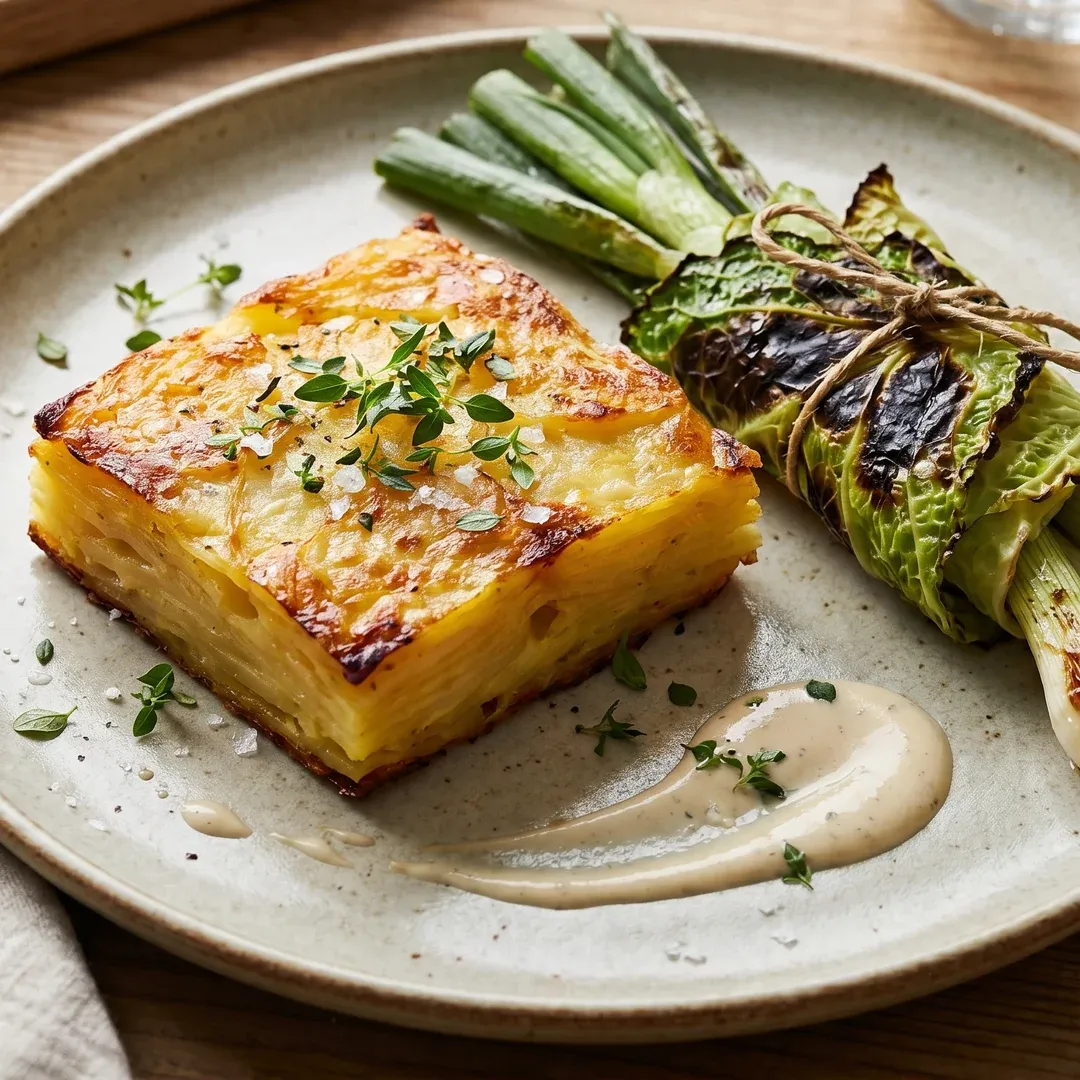
- Pommes Veg-Anna served with grilled spring onions wrapped in cabbage
- Jerusalem artichoke ice cream with almond florentines
DKK 1,275 excl. VAT
Drinks included
Vegetarian Menu #2 ♥
- Potato chiffon with parsley oil
- Black agnolotti with nuts and seaweed pesto
- ‘Harlequin’ tarte tatin with cherry tomatoes, chickpeas, salad and pickled green tomatoes
- Fried cauliflower florets with cauliflower purée, mung beans and homemade lemon butter
- Almond cake with coconut and blueberries, plus homemade nougat parfait with espresso
DKK 1,275 excl. VAT
Drinks included

A Little Vegetarian Affair…
- Black ravioli with nuts and ricotta, served with beetroot confetti and seaweed pesto
- ‘Harlequin’ cherry tomato tarte tatin with chickpeas and Pecorino, plus salad with Nocellara del Belice olives
- Almond cake with blueberries and coconut, plus homemade nougat parfait
- DKK 1,050 excl. VAT
- Drinks included