Spice, warmth and layer upon layer of flavour — without cooking on autopilot
An Indian cooking class at Kromans is for groups who want to cook with spice, depth, acidity, sweetness and heat while exploring several regional traditions within the same culinary world. Pakoras meet prawn and okra curry, chukka chicken, beef jardaloo, haleem, chapati, chole bhatura, yoghurt, chutney, coconut, mango and cardamom.
It suits companies, teams and private groups who want to cook together in Copenhagen with plenty of aroma, flavour and practical kitchen craft. Indian food is not simply ‘curry’. It is about balance, seasoning, ingredients and spices that need to be awakened — not scattered around like confetti with ambitions.
Great Indian Food and “hygge”
- Pakoras – prepared and enjoyed while we cook the rest of the meal…
- Madras chemeen vendakkai – prawn and okra curry
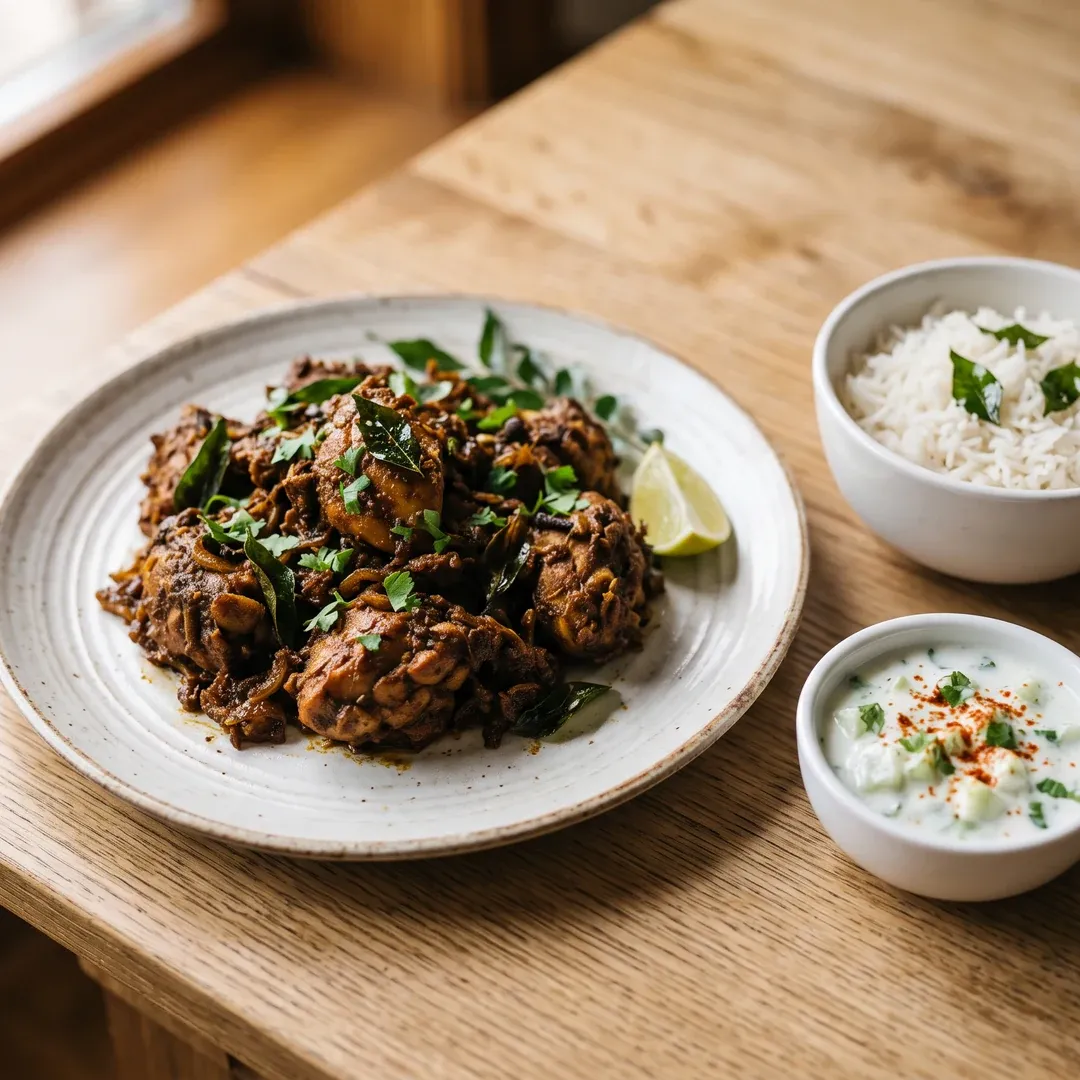
- Karaikudi chicken chukka
- Plum chutney and mint and coriander yoghurt sauce
- Salad of pickled red onion, pineapple and pomegranate
- Parsi beef jardaloo – beef with apricot
- Cashew bread, coconut bombs and cardamom ice cream
DKK 1,375 excl. VAT
Drinks included
Great Indian Food and “hygge” #2
- Kaad ki tarah ek machhli / hake with malai sauce
- Small chapatis with marinated and pickled beef, paneer and coriander
- Bhed ka gosht / Hyderabad-style lamb shoulder haleem with ginger and fried onions
- Baked yoghurt / mishti doi with pomegranate and mint
DKK 1,375 excl. VAT
Drinks included
A Little Indian Affair… No. 1
- Prawn and okra curry
- Beef jardaloo
- Cardamom ice cream with cashew bread and coconut bombs
DKK 1,050 excl. VAT
Drinks included
A Little Indian Affair… No. 2
- Chole bhature
- Old Delhi-style chicken with boiled ginger rice
- Mango sorbet with chilli and coconut
DKK 1,050 excl. VAT
Drinks included