Indian food changes character from pan to bread to curry
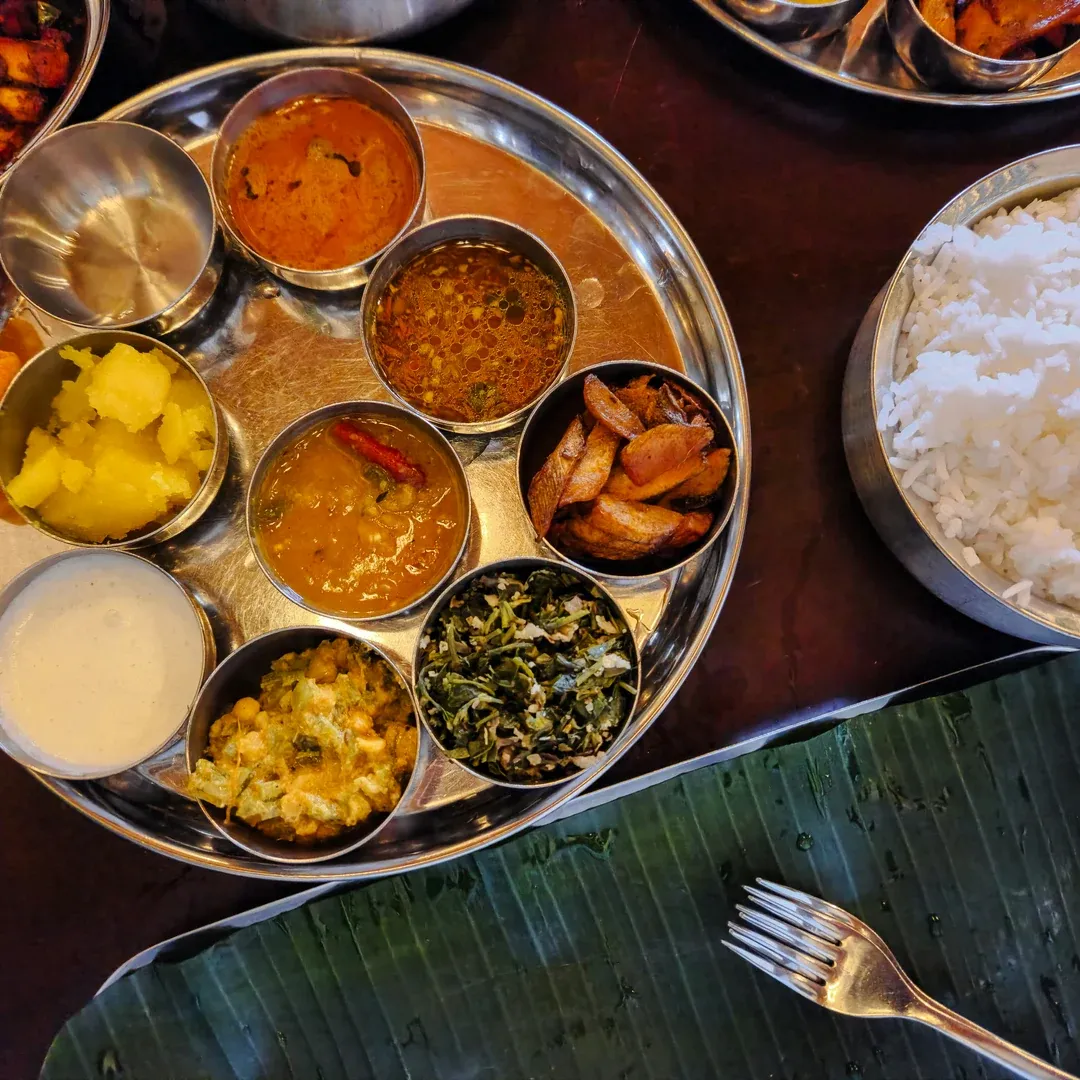
Haleem, chole bhatura and curry reveal three different temperaments in Indian food. This article explains how texture, spices, simmering, bread, chickpeas, meat and sweetness give each dish its role, and why they should not be gathered under one imprecise idea of curry. The cooking method shapes the flavour, the mouthfeel and the way each dish is eaten.
At Kromans in Copenhagen, the subject matters because the Indian menus range from Hyderabadi haleem and chole bhatura to prawn and okra curry, beef jardaloo and Delhi chicken. As participants work with the pan, dough, heat and seasoning, the differences become tangible. Each dish needs its own pace, balance and attention.