From Chettinad to Hyderabad: regional traditions in Indian food


India is not one cuisine — and that is the whole point

Indian food changes markedly according to region, ingredients, religion, climate, trade routes and tradition. This article explains how Chettinad, Karaikudi, Hyderabad, Delhi and Parsi influences give dishes very different characters, and why spices, texture, meat, bread and sweetness need to be understood in their regional context rather than folded into one general idea of curry.

At Kromans in Copenhagen, the subject matters because the Indian cooking class is not about one generic ‘curry’. The menus draw on distinct traditions through chukka chicken, haleem, beef jardaloo, Delhi chicken, chapati and spices with a clear purpose. As participants taste and explore the differences together, regionality becomes practical, sensory and clear throughout the kitchen work.
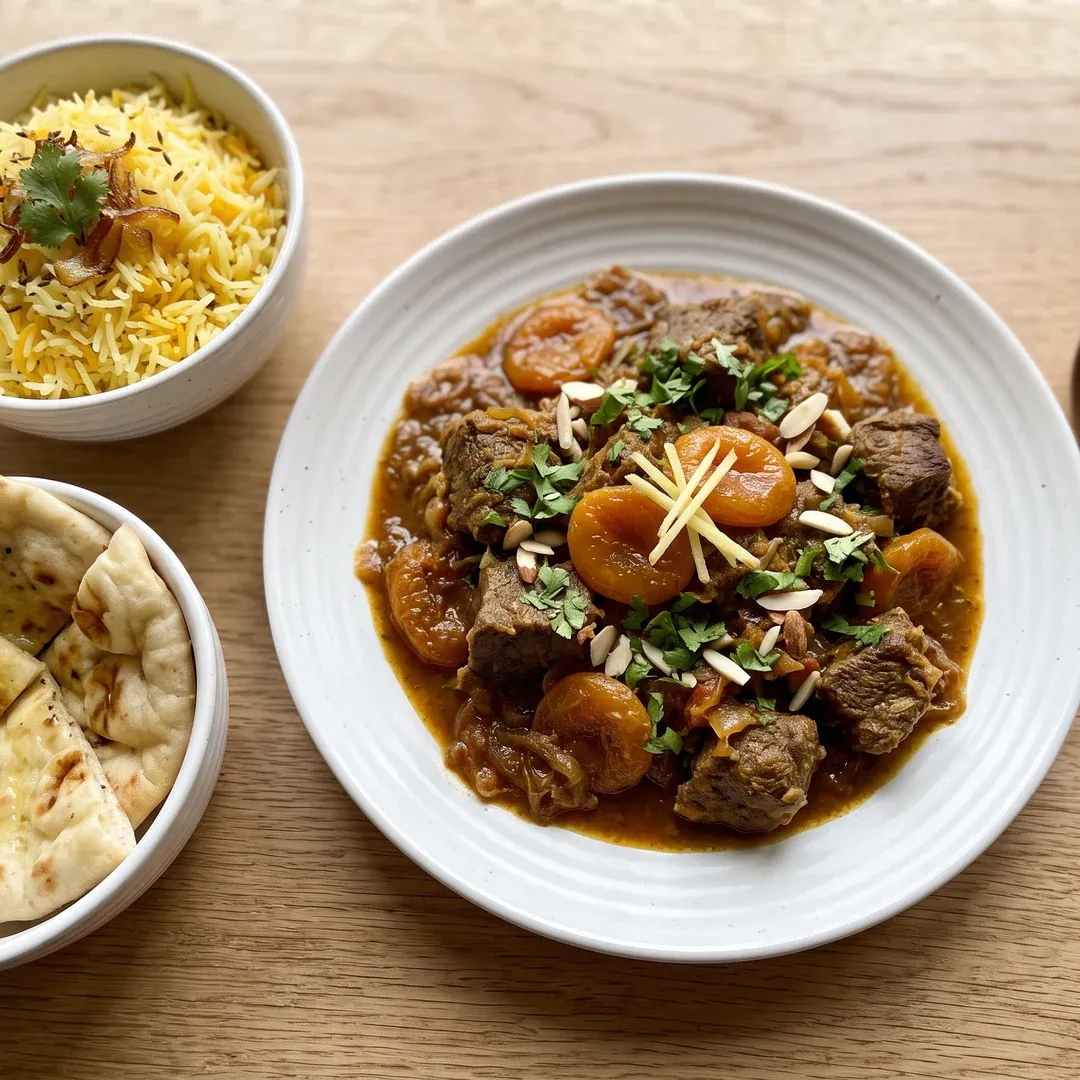

Beef stew with carrots in a rich sauce, topped with cilantro and almond slivers; served with yellow rice and flatbread on a wooden table.

Contents

What does regionality mean in Indian food?

Indian gastronomy is a vast landscape of regional cuisines. Research into Indian food describes a culture made up of many regional kitchens that serve as cultural and historical markers of their areas.

You can taste this in Kromans’ menus. Chettinad and Karaikudi point towards Tamil Nadu and a southern Indian cuisine of assertive spice, heat and depth. Tamil Nadu Tourism describes Chettinadu cuisine as known for freshly ground masalas using ingredients including fenugreek, star anise, fennel, cinnamon, cloves, bay leaf, pepper and cumin.

Hyderabad points in a different direction. Haleem is closely associated with the city and has geographical indication status; ICAR describes Hyderabad Haleem as the first meat product in India to receive GI certification. Here the emphasis is on slow depth, meat, grain, spice, texture and a generous warmth that cannot be rushed.

The Delhi thread brings urban cooking and northern Indian energy through bread, chicken, rice, spices and more robust dishes. Parsi beef jardaloo adds apricot sweetness, acidity and meat. These are not the same temperament — and that is precisely what makes the menu interesting.


Pay particular attention to…

  • Indian food is regionally diverse, not one single curry cuisine.
  • The Chettinad and Karaikudi tradition is about spice depth and heat.
  • Hyderabadi haleem relies on slow cooking, body and texture.
  • The Delhi tradition brings bread, rice, chicken and urban energy.
  • Parsi beef jardaloo shows how sweetness and meat can be balanced.

How regional traditions become flavour in the pan

Regionality becomes interesting when you can taste it. Chukka chicken from Karaikudi should not merely be ‘spiced chicken’. It should have toasted notes, warmth, depth and the sense that the spices have been worked with rather than scattered around like overconfident confetti.

Haleem from Hyderabad moves at a different pace. Texture is central: the dish needs to be rich, tender and cohesive. It needs time, heat and calm. It is the sort of dish in which the pan works while the people around it learn that patience is an ingredient too.

Beef jardaloo works differently again. Apricot brings sweetness, but that needs a counterpoint from acidity, spice and the depth of the meat. Chole bhatura has its own temperament through chickpeas, bread, warmth and a more generous way of eating. Delhi chicken with ginger rice has a more direct, urban character.

At Kromans the social setting is an advantage because several senses are engaged. Someone smells the spices. Someone tastes the chutney. Someone asks whether the haleem needs salt or simply more time. That is how regionality becomes practical and alive — not as an encyclopaedia, but as food in your hands.


In short: 5 things you need to know…

  • Indian dishes change with region, ingredients and technique.
  • Chettinad and Karaikudi bring a spicy, aromatic and deeply southern Indian character.
  • Hyderabadi haleem represents a slow, rich and texture-led tradition.
  • Delhi and chole bhatura point towards bread, chickpeas and urban cooking.
  • Regionality should be tasted, not merely mentioned.

Read more about Indian food

Explore all the Indian food experiences at Kromans Cooking School in Copenhagen.

An article about how heat, acidity, richness, freshness and sweetness work together in Indian food.

An article about the texture, flavour, technique and role of three very different Indian dishes in a menu.

FAQs

Why does Indian food vary so much by region?

Indian food varies with climate, ingredients, religion, culture, history and local traditions.

That is why dishes from Chettinad, Hyderabad, Delhi and Parsi kitchens can taste so different.

What characterises Chettinad food?

Chettinad food is associated with aromatic spices, freshly ground masalas, heat and depth.

It is a southern Indian tradition in which spices need to be awakened and balanced.

Why is Hyderabadi haleem special?

Hyderabadi haleem is known for slow cooking, rich texture and spiced depth.

The dish is closely linked to Hyderabad and has geographical indication status.

How do you learn regional differences in practice?

You learn them by tasting, smelling and working with the dishes.

Regional differences become clear when spices, texture, bread, meat and accompaniments each have their own role.

Would you like to experience Indian food together?

See our Indian cooking classes, or contact us and we will help you find the right class and menu.