Se anmeldelser Read reviews

Nordic food and the seasons: why seasonality shapes flavour


When spring, summer, autumn and winter change the flavour

Nordic cooking is closely tied to the seasons. This article explains how spring, summer, autumn and winter change ingredients, techniques, textures and flavour balance. The season affects the quality of the produce, the weight of a menu and which methods make sense at that time of year.

At Kromans in Copenhagen, Nordic Four Seasons is built around precisely those changes. The season is not a decorative word in the title: it decides what goes into the pan. Participants work with fresh herbs, fish, berries, mushrooms, cabbage and roots, and taste how each season shapes the meal.
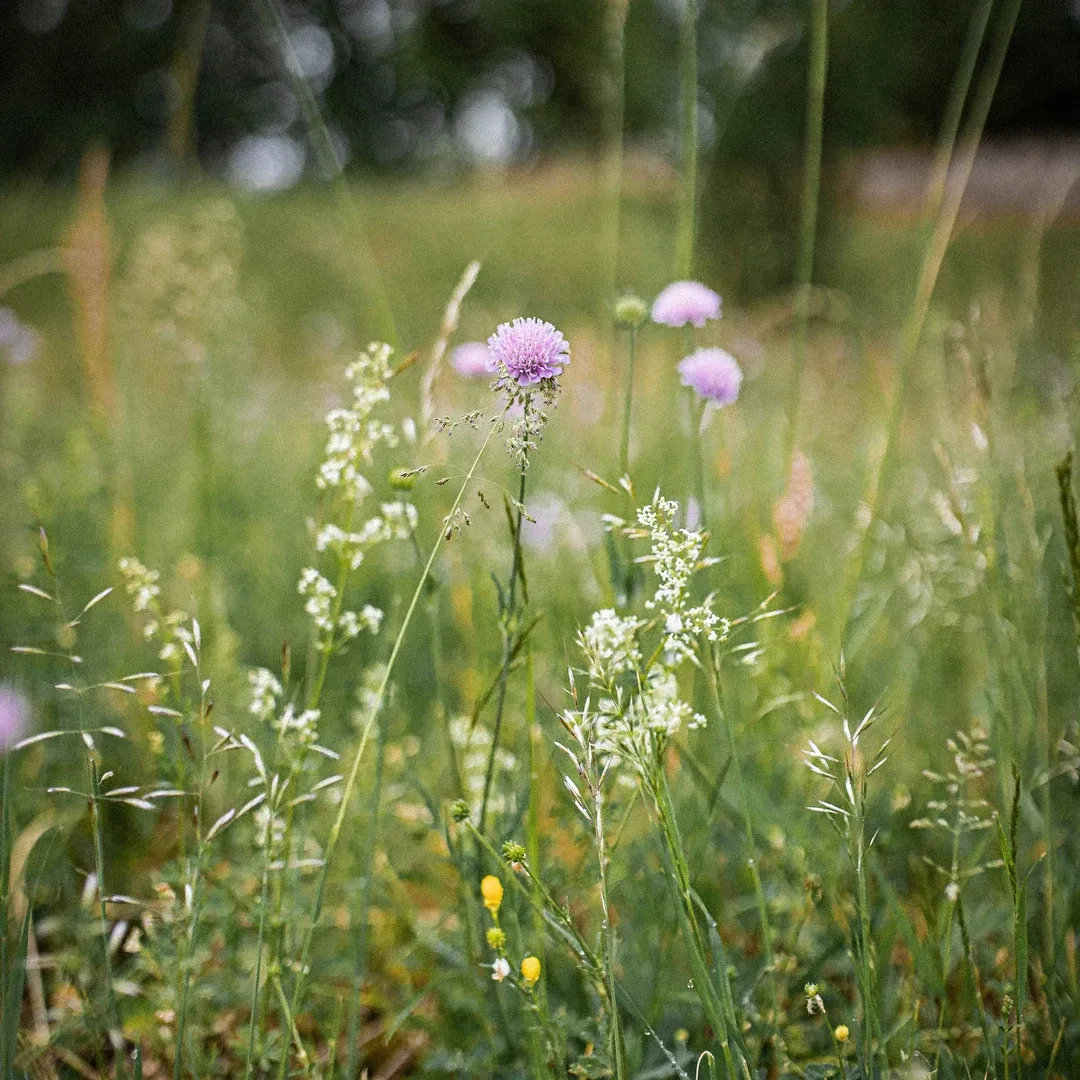

Purple globe thistle flowers rise above green meadow grasses in a sunlit field with a soft, blurred background.

Contents

Why are the seasons central to Nordic food?

Nordic food often lets the season lead. The New Nordic Food Manifesto, drawn up in 2004, includes principles of purity, seasonality, ethics, health, sustainability and quality. That does not mean every Nordic dish has to be minimal or solemn. It means the ingredient and the time of year matter.

At Kromans, spring is green and light, with new potatoes, radishes, cress, smoked cheese, herbs and fish. Summer brings dill, roe, berries, salmon, new potatoes and blackcurrants. Autumn deepens with barley, pheasant or wild duck, mushrooms, game and redcurrants. Winter turns to carrots, scallops, Jerusalem artichokes, kale, walnuts, pork cheeks, roots and lingonberries.

Seasonality is not merely a list of produce. It changes the cooking: spring can be lighter and fresher; summer uses herbs, berries and brighter richness; autumn needs more depth, mushrooms and grain; winter calls for baking, braising, cream-cooked greens and warmth.


Pay particular attention to…

  • Nordic cooking often follows seasonal produce and its rhythm.
  • Spring brings lightness, greens and freshness.
  • Summer brings herbs, berries, fish and brighter flavours.
  • Autumn brings mushrooms, grain, game and depth.
  • Winter calls for warmth, roots, cabbage and slower cooking.

Seasonality is flavour, not just atmosphere

It is easy to write ‘seasonal’ and leave the word to do all the work. In a kitchen, you must taste the difference. New spring potatoes should not be treated like winter roots. Berries are not only decoration; cabbage should not be cooked into silence; and game needs acidity and contrast.

The Nordic theme at Kromans works because each season brings different jobs. You smoke, steam, roast, braise, taste and adjust. You do not learn Nordic cooking by nodding at a forest floor. You learn by working with ingredients and tasting the result.

The shared kitchen makes the questions concrete: does the smoked cheese need more acidity? Are the blackcurrants too sweet? Does the game stew need more depth? Is the winter dish heavy or simply warm? Such questions bring Nordic food to life.

Seasonality shapes both flavour and mood, but at Kromans the evening still belongs to the people in the room, music in the background and culinary skill you can taste in the sauce. Nordic food can be clear and precise without becoming so polite that it forgets to taste good.


In short: 5 things you need to know…

  • Nordic cooking is closely linked to the changing seasons.
  • Season affects produce, technique and flavour balance.
  • Spring and summer are often lighter and fresher.
  • Autumn and winter bring deeper flavours, warmth and more robust ingredients.
  • Seasonality works best when you can taste it, not merely name it.

Read more about Nordic cooking

Explore Nordic seasonal menus and cooking together at Kromans in Copenhagen.

How smoke, berries and acidity give Nordic food freshness, edge and depth without weighing it down.

How robust ingredients and cooking methods carry the darker side of Nordic cooking.

FAQs

Why do seasons matter in Nordic food?

They shape ingredients, techniques and flavour balance.

That is why Nordic food tastes different in spring, summer, autumn and winter.

What characterises Nordic spring food?

It is often lighter, greener and fresher.

New potatoes, radishes, herbs, fish and gentle richness suit the season.

Why does winter food have more depth?

Winter often uses roots, cabbage, braising, baking and cream-cooked greens.

These bring warmth and substance but still need acidity and freshness.

How do you learn seasonal flavour?

By working with ingredients and tasting as you cook.

Seasonal flavour depends on practical kitchen decisions, not just the calendar.

Would you like to experience Nordic cooking together?

See our Nordic cooking classes, or contact us and we will help you find the right class and menu.