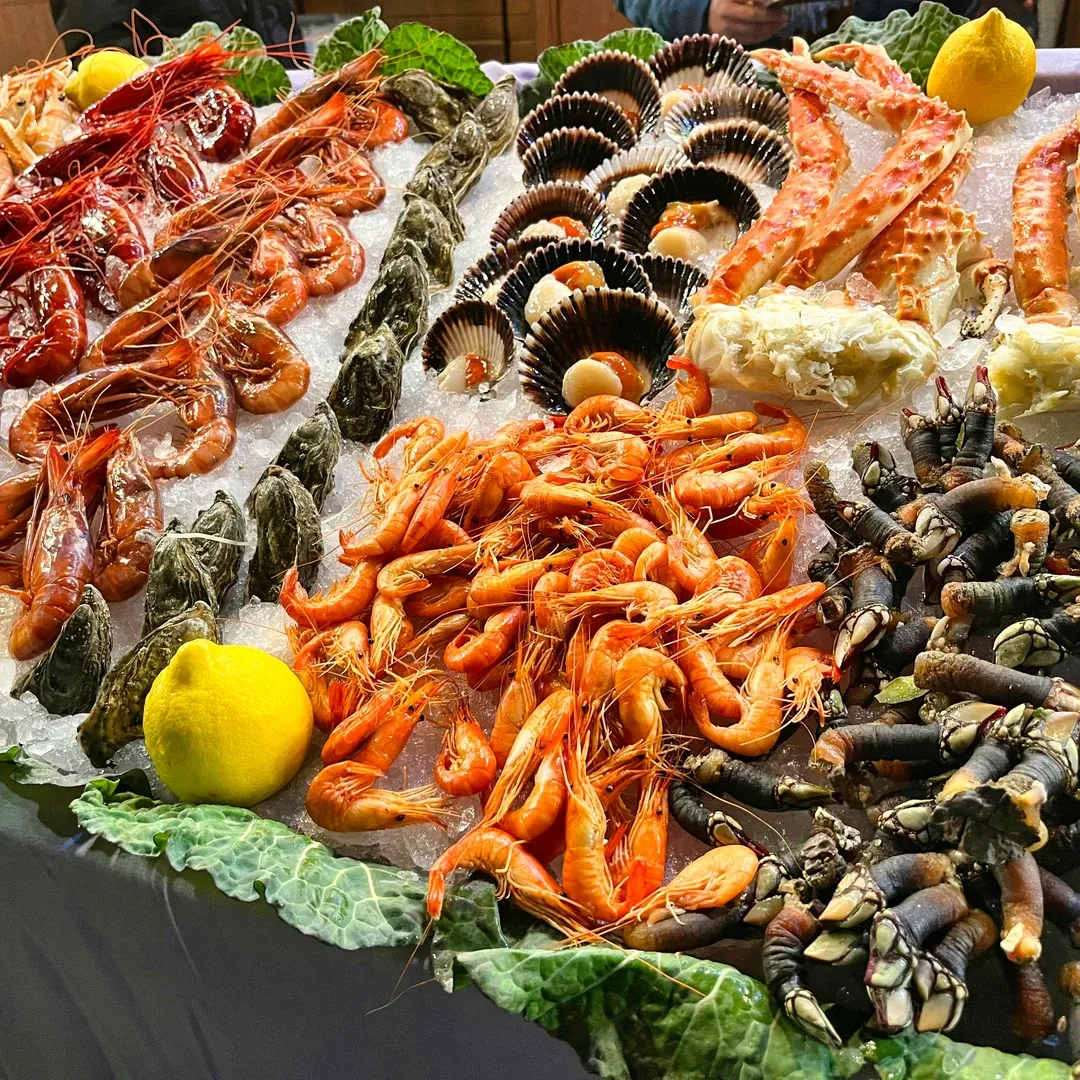
Oysters, green sauce and a restaurant classic with history
Oysters Rockefeller is one of New Orleans’ best-known restaurant classics. This article explains why the dish matters and how oysters, sauce, gratination and the city’s food culture fit together. It also reveals a refined side of American gastronomy in which a local ingredient, historic restaurant culture and precise cooking meet on one small plate.
At Kromans in Copenhagen, the dish matters because the American Cajun and Creole menu is not only about seasoning and crawfish. It is also about New Orleans as a restaurant city where oysters and classics can still lift an evening. The balance between the taste of the sea, richness, herbs and heat decides whether the dish becomes elegant or merely heavy.