BBQ, steak and ribs: comfort food with technique behind the volume


Big food takes more than grand gestures

BBQ, steak and ribs are often associated with American comfort food, but the good versions require technique. This article explains how heat, smoke, seasoning, juiciness and tasting create flavour behind the volume. A seared crust, tenderness and balance do not come from grand gestures alone, but from timing, temperature and respect for the ingredient.

At Kromans in Copenhagen, the subject matters because American food is allowed to fill the room — but it also needs to taste good. Ribs, steak, corn, home fries and pie only work properly when the craft sits securely beneath the cowboy hat. Both powerful and fresh elements require attention so the meal has energy, nerve and direction without becoming heavy.

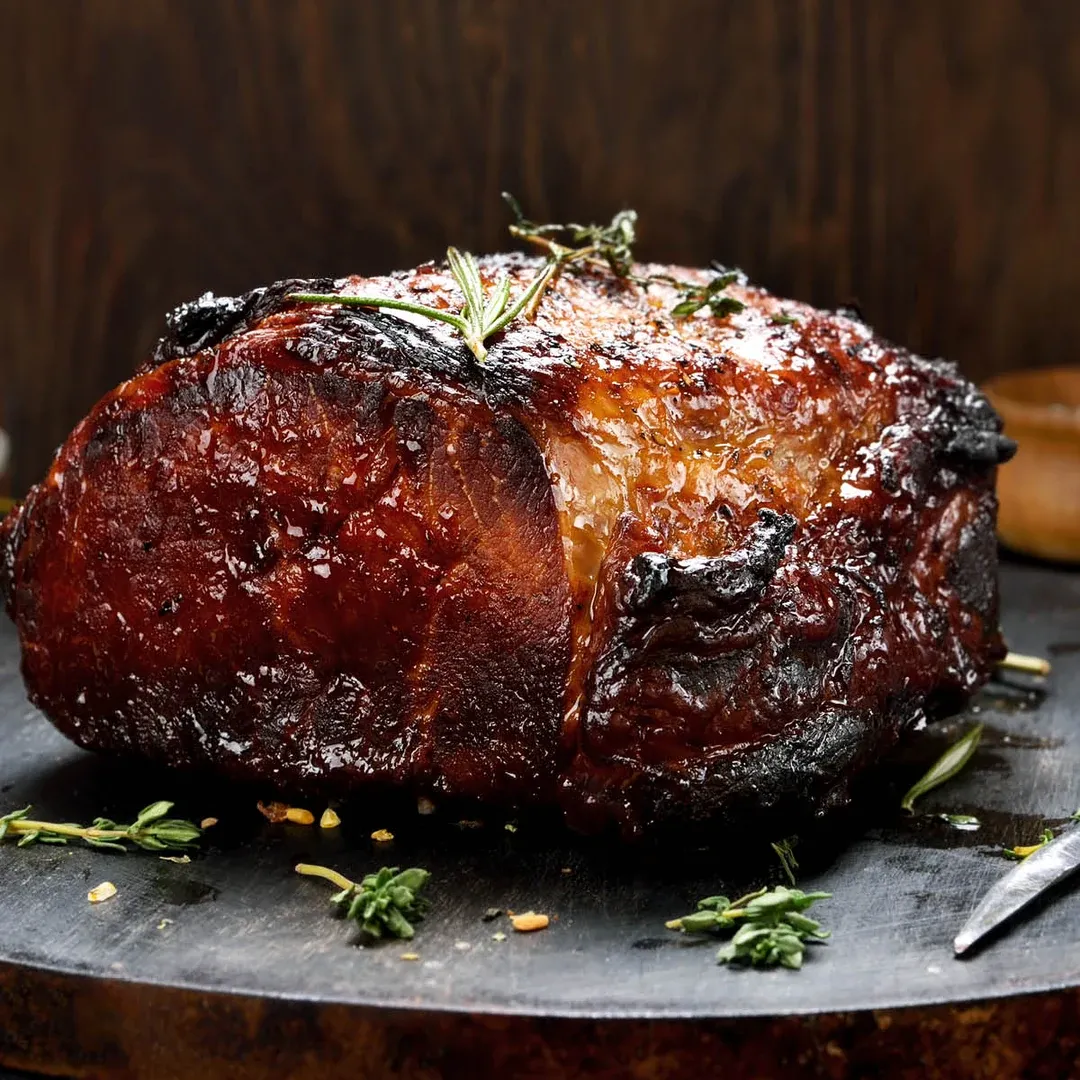
Herb-crusted roasted beef on a dark board with rosemary sprigs on top

Contents

Why American comfort food is not only about size

American comfort food has a reputation for large portions, bold flavours and not too many apologies. That reputation is not entirely wrong. If volume is the only goal, however, food can easily make more noise than flavour.

BBQ, steak and ribs are about heat — not simply high heat, but the right heat at the right moment. Ribs need time, seasoning and moisture so they become tender without turning limp. Steak needs a hot surface to develop a flavourful crust. BBQ requires an understanding of smoke, richness, sweetness, acidity and salt.

The USDA recommends cooking whole cuts of beef, pork, veal and lamb to at least 145°F and resting them for at least three minutes for food safety. This is a safety standard rather than a recipe for gastronomic perfection, but it underlines an important point: heat should be understood and measured rather than guessed with a furrowed brow.

For steak, the surface matters too. A good crust requires a dry surface, sufficient heat and enough stillness for the meat to brown rather than steam in its own uncertainty. Serious Eats highlights proper preheating of cast iron because an evenly heated pan produces better, more consistent browning.

Ribs move differently. Time, seasoning and texture matter. They should be tender without falling apart like a poor excuse. BBQ sauce or seasoning should bring sweetness and warmth, but acidity and freshness — often coleslaw, pickles or vegetables — prevent the dish becoming heavy.


Pay particular attention to…

  • Steak needs a dry surface and sufficient heat for a good crust.
  • Ribs need time, seasoning and tenderness without losing structure.
  • BBQ should balance smoke, sweetness, acidity, richness and salt.
  • Accompaniments are not decoration; coleslaw, corn and potatoes shape the whole meal.
  • Bold flavour only becomes good when it is balanced.

The technique behind the American plate

Kromans’ American theme includes BBQ spare ribs, steak, scampi burgers, buttered corn, home fries, béarnaise, Caesar salad and pecan pie. These are substantial dishes, but they demand different techniques.

Ribs need seasoning and patience. Too little time and they remain tough. Too much time or rough treatment and they lose their bite. The right point is where the meat is tender but retains character — rather like a good team event: relaxed, but not collapsed.

Steak is more about the moment. Salting, heat, crust and resting or temperature control matter. If the pan is not hot enough, proper browning will not develop. Too much heat and the meat becomes dry. Cut too quickly without control of the temperature and control of the result is lost.

Accompaniments are central to American comfort food. Coleslaw brings freshness to ribs. Buttered corn adds sweetness and richness. Home fries contribute crunch and potato substance. Caesar salad offers acidity, salt, richness and crisp romaine, ensuring the powerful lead does not stand alone sweating beneath the spotlight.

At Kromans, this is not a technical lecture. You learn by frying, tasting, adjusting and feeling the difference. Around ribs and steak, the craft arises naturally: ‘Does it need acidity?’, ‘More heat?’, ‘Is the crust there?’ These are the questions that improve food.

American comfort food works well for shared cooking because everyone understands the anticipation. It becomes interesting when you discover that flavour does not come from size, but from heat, timing, seasoning and tasting. Good energy in the room certainly does no harm.


In short: 5 things you need to know…

  • BBQ, steak and ribs need technique behind their bold flavours.
  • A crust develops through a dry surface, heat and stillness.
  • Ribs should be tender while retaining structure.
  • Accompaniments provide freshness, crunch and balance.
  • American comfort food works best when volume meets precision.

Read more about American food

Explore all the American food experiences at Kromans Cooking School in Copenhagen.

An article about two Southern culinary traditions, their flavour logic and why they work so well with seafood, crawfish and spiced dishes.

An article about oysters, restaurant classics and the food history that makes New Orleans about more than spice and jazz.

FAQs

What makes good BBQ and ribs?

Good BBQ and ribs need heat, time, seasoning and balance.

The meat should be tender while retaining structure, with sweetness, smoke, salt and acidity in balance.

How do you achieve a good crust on steak?

A good crust requires a dry surface and a hot pan or grill.

The meat needs enough contact with the heat to brown without overcooking.

Why do accompaniments matter so much?

They create balance.

Coleslaw, corn, home fries and salad can bring freshness, crunch and sweetness to rich main dishes.

Is American comfort food simply heavy food?

No. It can be substantial, but good comfort food also has acidity, texture and balance.

Otherwise it is merely large without being particularly good.

Would you like to experience American food together?

See our American cooking classes, or contact us and we will help you find the right class and menu.