Confit, beurre blanc and sauce: classic French techniques with flavour


Butter, acidity and timing without stiff cuffs

Confit, beurre blanc and sauce show how classic French techniques create depth, balance and structure without making food heavy or solemn. This article explains why richness, acidity, heat and timing are essential when confit needs to become tender, fish must retain its character and sauce should bring the dish together rather than overwhelm it.

At Kromans in Copenhagen, the subject matters because the French cooking class uses confit de canard, monkfish, smoked mussels, beurre blanc, veal, mushrooms and sauce. The technique becomes tangible through tasting, adjustment and teamwork — with hands in the work and not a tiepin in sight.
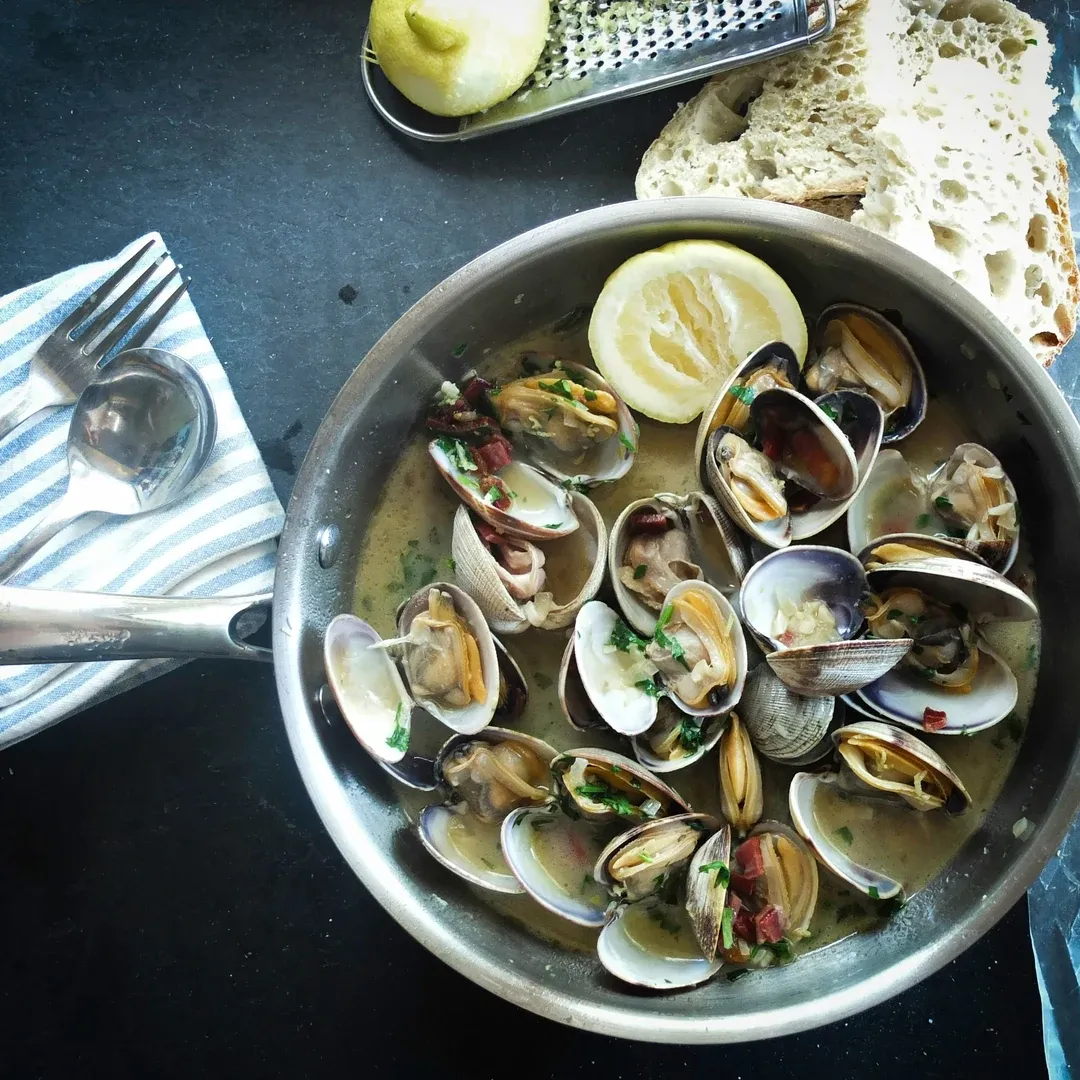

Pan of creamy seafood soup with mussels and clams, a lemon wedge, and crusty bread nearby on a dark surface.

Contents

What do the classic techniques achieve?

French gastronomy is closely linked to craft, the structure of a meal and social practice. UNESCO describes the gastronomic meal of the French as a social practice with a set progression from apéritif through several courses, where food, drink and company belong together.

Confit is about time, richness and gentle heat. Confit de canard gains depth and tenderness because the ingredient cooks slowly in fat. It is not light food, but it can be elegant when acidity, crispness or bitterness counter the richness. Richness without contrast becomes heavy; richness with direction becomes French craft.

Beurre blanc is about butter and acidity. A good beurre blanc should be rich and glossy without becoming flat. The acidity keeps the butter awake. At Kromans, it meets monkfish and smoked mussels, requiring precision so fish, smoke, acidity and butter lift one another rather than shout separately.

Sauce is what brings everything together. In French cooking it is not merely poured over at the end. It connects the ingredient, technique, heat and accompaniments. Veal and mushrooms need sauce and seasoning that provide depth without overwhelming them.


Pay particular attention to…

  • Confit uses richness and time to create tenderness and depth.
  • Beurre blanc requires balance between butter and acidity.
  • Sauce should unite the dish rather than hide the ingredient.
  • Fish and beurre blanc demand precise timing.
  • French technique is at its best when it can be tasted rather than merely explained.

Technique should create flavour, not a show

Classic French techniques can easily be made rather solemn. In practice, they concern simple questions: Is the fish succulent? Is the sauce balanced? Has the richness been lifted? Is there enough acidity? Does it genuinely taste better?

Confit de canard needs crispness and depth. With richness alone it becomes heavy. Monkfish with beurre blanc needs clean fish flavour, smoky mussel depth and a sauce that supports rather than smothers. Veal fillet with mushrooms needs warmth, umami and calm.

French techniques work well at Kromans because participants can experience them directly. You see a sauce change, taste how acidity lifts butter and discover that French food is not necessarily snobbish. It merely requires you to pay attention.

The social setting makes the craft easier. When a group tastes the sauce together, the balance becomes clearer. One person misses acidity, another salt, and somebody says, ‘That is it’ — at which point everyone must keep their fingers away from the pan. That too is a technique, and a difficult one.

Comme ci, comme ça, comme béarnaise… or beurre blanc in this case. The essential point remains the same: flavour first, decoration afterwards.


In short: 5 things you need to know…

  • Confit, beurre blanc and sauce are classic French approaches to flavour.
  • Richness needs balancing with acidity and freshness.
  • Beurre blanc only works when the butter does not become heavy.
  • Sauce should bring the entire dish together.
  • French technique should be precise without becoming stiff.

Read more about French cooking

Explore the French menus and the opportunities to cook together at Kromans in Copenhagen.

An article about more rustic French dishes in which cod, wine, braising and substance create warmth and flavour.

An article about sauce, structure, teamwork and tasting as natural parts of cooking French food together.

FAQs

What is confit?

Confit is a classic technique in which an ingredient cooks gently in fat.

It creates tenderness, depth and richness, but needs contrast from acidity or crispness.

What is beurre blanc?

Beurre blanc is a French butter sauce balancing acidity and butter.

It is particularly good with fish when it does not become too heavy.

Why does sauce matter so much in French cooking?

Sauce connects the ingredient, accompaniments, richness and acidity.

It is an active part of the dish rather than decoration.

Are French techniques difficult?

They require attention but can be learned in practice.

The best way is to taste, adjust and understand heat, richness and acidity.

Would you like to experience French cooking together?

See our French cooking classes, or contact us and we will help you find the right class and menu.